






Microsoft outage sparks concerns about potential vulnerabilities in modern technology systems
Recent IT outages affecting major organizations have raised questions about connections between separate events.

Reports are emerging of a surge in IT outages affecting major organizations around the world, sparking concerns about potential vulnerabilities in modern technology systems. The recent spate of incidents includes a large-scale Microsoft outage, a technical glitch that grounded all US flights for several hours, and issues with the National Security Agency's internal communication system.
In addition to these notable examples, other high-profile outages have affected some of the biggest US banks, while a major flaw was discovered in a widely used programming language. While these incidents appear to be separate events, their close proximity has raised questions about potential connections between them.
An examination of the causes behind these outages reveals that many were triggered by errors during system updates or installations. A network upgrade at Microsoft led to servers becoming overloaded and shutting down, causing significant disruptions. Similarly, upgrades to an aging network infrastructure were blamed for grounding thousands of planes in the US over the weekend.
Problems with internal communication systems have also been reported, including issues with Apple's iCloud and Apple Pay services, which were attributed to difficulties during system updates. These incidents highlight the importance of careful planning and execution when implementing technological changes, particularly in complex systems that rely on precise functioning.
The recent spate of outages and disruptions has left many wondering about the root cause behind these issues. While some have been attributed to software bugs or technical glitches, others are a result of cyber-security vulnerabilities that have been exploited by malicious actors.
In one notable incident, hackers were able to infiltrate a platform used by several large companies, including Optimizely. According to researcher Scott Helme, the malicious code discovered in this platform was capable of causing significant damage, and it's likely that only luck prevented a more severe breach from occurring. The stolen cryptocurrency amounts to around $7,000.
The use of AI has been increasingly linked to cyber-security incidents, with some researchers suggesting that advanced models are being used by hackers to accelerate their attacks. This is supported by the recent decision of companies like Anthropic and OpenAI to restrict public access to their most advanced models until certain security protocols have been put in place.
In allowing select institutions and companies access to these models before the general public, AI developers hope that security professionals can use this technology to identify potential vulnerabilities and alert others, thereby preventing malicious actors from exploiting them first.
The recent outages that have plagued various systems and services worldwide may be more than just a coincidence. Technical debt, a term used to describe the accumulation of quick fixes to software instead of addressing underlying issues, could be a contributing factor.
As companies focus on patching flaws discovered through AI-powered tools, they may inadvertently create more complex problems in the long run. This phenomenon can lead to a build-up of surface-level solutions that eventually escalate into critical issues. The consequences are far-reaching and often unexpected.
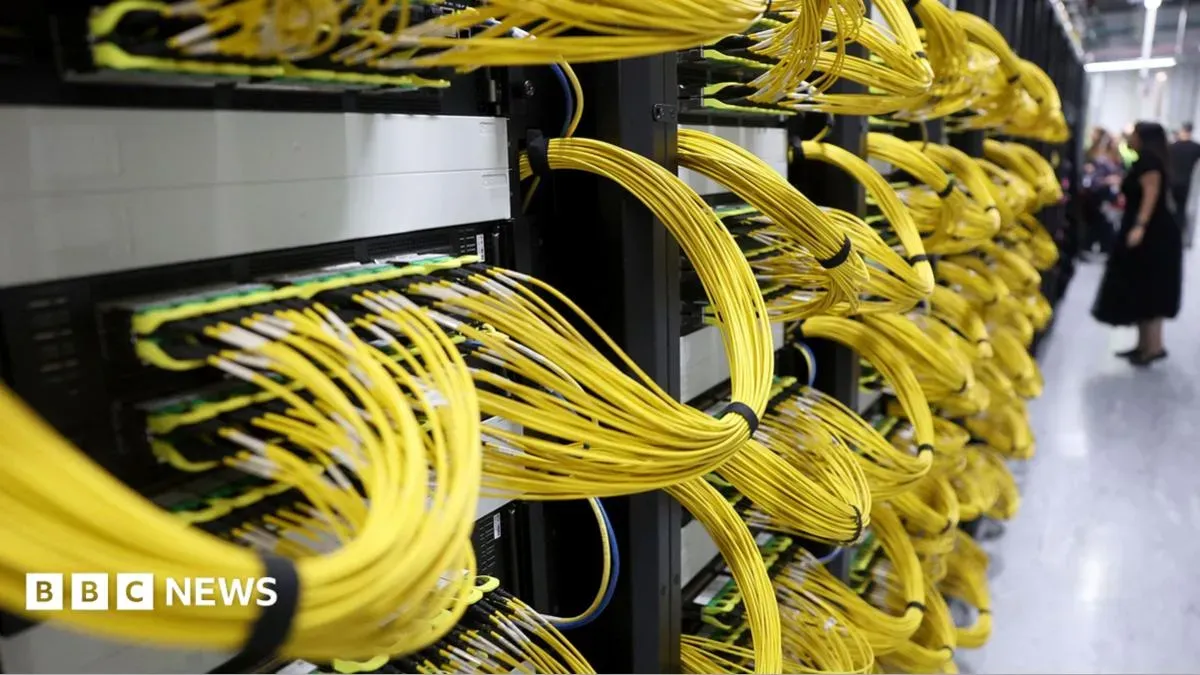
The reliance on physical infrastructure, such as cables, servers, and data centres, is also a significant contributor to these outages. For instance, the US air traffic control incident was caused by engineers replacing outdated copper wires with fibre-optic cables. This kind of maintenance work can sometimes lead to unforeseen problems.
US Secretary of State Marco Rubio has downplayed concerns about a systemic attack on critical infrastructure, stating that each incident is isolated and unrelated to the others. "We are not under systemic attack," he said.
The swift discovery and patching of vulnerabilities in programming languages like PHP and Java has raised questions about the role of artificial intelligence in identifying flaws before they can be exploited by malicious actors.
Meanwhile, leading AI firms such as Anthropic are sounding the alarm on the risks their own products pose, highlighting the complex interplay between technological advancements and cybersecurity threats.
Outages caused by these vulnerabilities have far-reaching consequences, affecting not only digital services but also critical infrastructure like healthcare systems, schools, and transportation networks.
The recent disruption to air travel over the weekend is a stark example of how outages can ripple through various sectors, underscoring our reliance on a small number of key players in the tech industry.
These companies, including Microsoft, Amazon, and Google, run a significant portion of the world's computer servers, making their systems vulnerable to widespread disruptions.
The complexity of modern software systems has created a perfect storm for outages and disruptions. Organisations struggle to keep track of their critical technology dependencies, making it challenging to respond quickly when vulnerabilities emerge. This is partly due to the widespread use of Java in business software, as many companies lack a comprehensive list of where it runs.
Security experts agree that the challenge lies not only in identifying potential threats but also in knowing whether an organisation is exposed. The tools used to help find security flaws are still evolving and often uncover vulnerabilities that have been lingering in code for decades. As AI accelerates discovery on both sides, the volume of software that needs patching increases, while the time available to address these issues decreases.
The constant threat from hackers also contributes to the problem. Attackers only need to find one vulnerability to exploit, whereas defenders must protect against multiple potential hacks. This asymmetry creates a daunting task for security teams, who must navigate a complex landscape of threats and vulnerabilities. The pressure to keep up with emerging risks is further exacerbated by tech debt, the accumulation of outdated systems that require regular upgrades.
The situation will only continue to worsen unless organisations take proactive steps to manage their technology dependencies and invest in robust security measures. This includes not only identifying potential vulnerabilities but also testing response plans to ensure they are effective. By prioritising security and staying ahead of emerging threats, companies can reduce the likelihood of outages and disruptions caused by software updates or other factors.
The cat-and-mouse dynamics of cyber-security mean that companies are constantly playing catch-up with attackers who can experiment without risk of failure.
This disparity in speed has significant implications for businesses, as small delays between how quickly attackers and defenders move can have major consequences. Attackers can exploit these windows to launch successful attacks, while defenders struggle to keep up.
The increasing use of AI is further exacerbating this situation, making the stakes even higher for companies trying to stay ahead of emerging threats.
Facts based on reporting originally published by BBC News Technology.
You may republish this story, in full or in part, if you credit Noti Group and link to it (licence CC BY 4.0). Photos are not included.