






McDonald's Faces Competition in Chicken and Beverages Markets
A recent analysis suggests that restaurant chains specializing in chicken and drinks are winning over customers who previously dined at McDonald's.
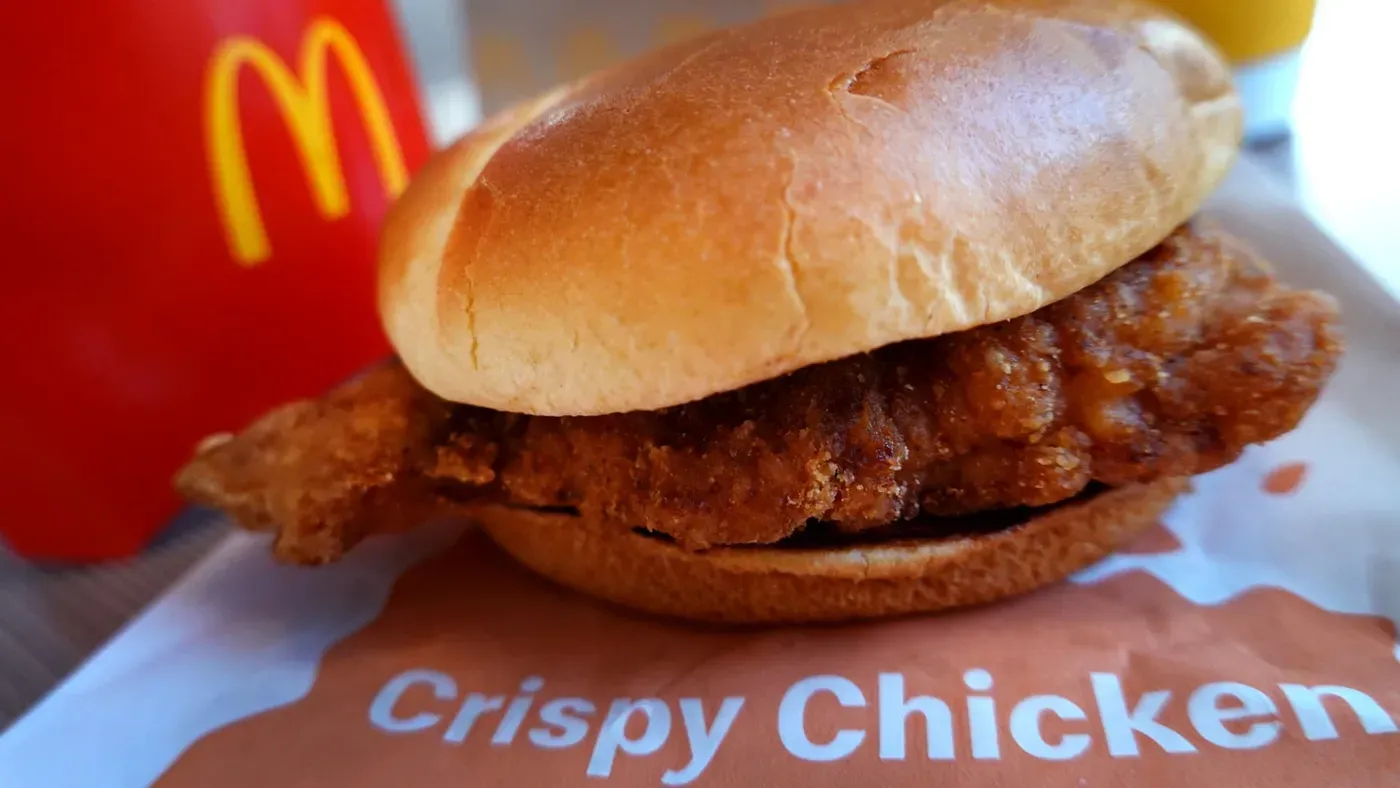
McDonald's is counting on chicken and beverages to drive its future growth, but a closer look at consumer spending habits reveals that the company may face significant competition from rivals in these areas.
The fast-food giant has set ambitious targets to increase its market share in both chicken and beverages by 2030. At an investor meeting last month, McDonald's identified these categories as key opportunities for expansion beyond its traditional beef-based offerings.
According to CEO Chris Kempczinski, the size of the markets is a significant factor in their potential for growth. Chicken is a massive market worth $130 billion, and beverages are even larger at $230 billion, he noted, highlighting the room for improvement in these areas.
However, new data suggests that McDonald's may struggle to gain ground in these segments, as many of its competitors specialize in chicken and drinks. Exclusive research from Consumer Edge indicates that restaurant chains exceling in these categories are winning over customers who previously dined at McDonald's.
As McDonald's attempts to revamp its offerings in chicken and drinks, a new analysis reveals that other chains are gaining ground among customers who previously dined at the Golden Arches. Chick-fil-A has emerged as a significant beneficiary of this trend, with an increase of 0.58 percentage points in limited-service restaurant spending among McDonald's customers.
Coffee shops are also drawing in former McDonald's patrons, with several drive-thru-only chains making notable gains. 7 Brew added 0.4 percentage points to its share of spending, while Starbucks, Dutch Bros. Coffee, and Dunkin' rounded out the top 10 gainers, collectively accounting for a 0.88 percentage point increase.
Among burger chains, Burger King is also expanding its customer base, with an increase of 0.24 percentage points in limited-service restaurant spending among McDonald's customers. This shift underscores the competitive landscape facing McDonald's as it seeks to attract diners with innovative options in chicken and drinks.
The data highlights a trend towards increasing selectivity among consumers when it comes to dining out, with Michael Gunther of Consumer Edge noting that "there’s a big battle for a smaller amount of restaurant spend." This shift in consumer behavior poses significant challenges for McDonald's as it aims to revitalize its offerings.
McDonald's continues to grapple with sluggish sales, but executives have expressed optimism about signs of improvement in the third quarter. Specifically, U.S. comparable sales were slightly negative in July and August, but the company expects September to show a positive trend.
This trend is also reflected in data from Consumer Edge, which shows that McDonald's year-over-year spending share declines are narrowing across every income group in September. This suggests that while consumers may be holding back on dining out, they are still engaging with McDonald's brands and products.
However, Wall Street analysts remain skeptical about the company's growth strategy, which focuses on chicken and beverages. Bernstein analyst Danilo Gargiulo noted after McDonald's investor day that U.S. beverage launches have not yet generated enough sales to offset broader weakness.
The scale of investment required to deliver McDonald's growth plan is also a concern, with Gargiulo estimating it to be higher than expected. This added pressure on near-term earnings may limit the company's ability to drive significant revenue growth in the short term.
Facts based on reporting originally published by CNBC.
You may republish this story, in full or in part, if you credit Noti Group and link to it (licence CC BY 4.0). Photos are not included.