




Maheta Molango warns football's future is at risk due to financial considerations
The head of the Professional Footballers' Association believes individuals prioritizing wealth and power over passion for the game are becoming increasingly influential.
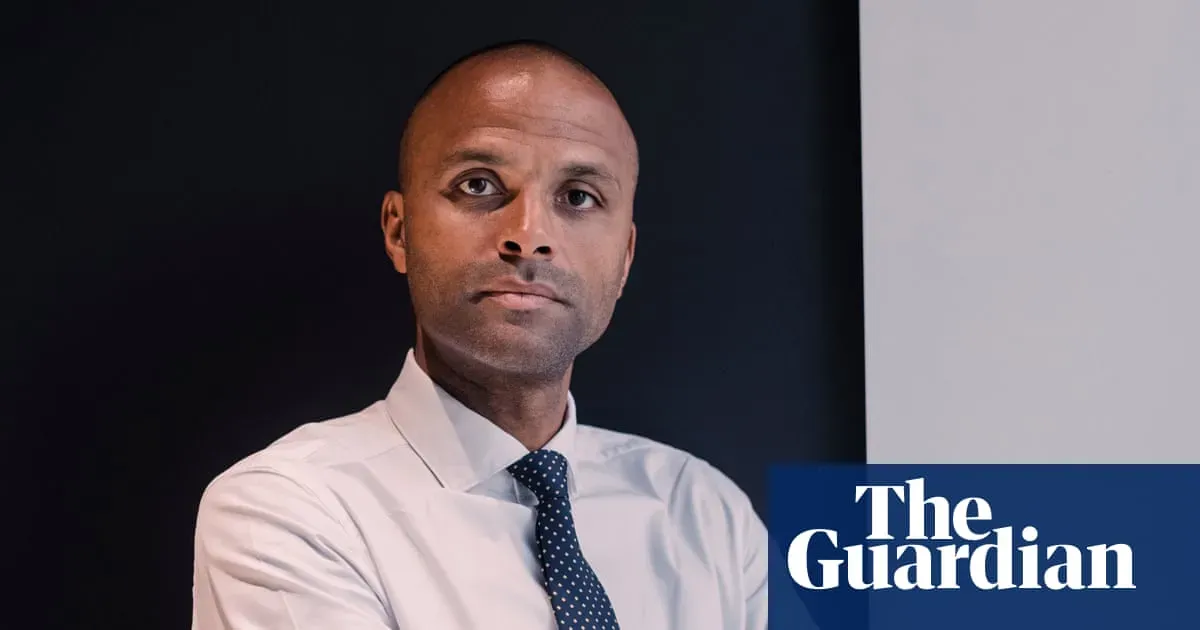
As the head of the Professional Footballers' Association, Maheta Molango has been at the helm for five years and has gained valuable insights into the world of football.
The 43-year-old's concerns are palpable as he reflects on his time in charge, stating that "the game is in danger because it is being forgotten. This assertion comes from a place of passion and experience, with Molango having played the sport himself before moving into advisory and leadership roles.
Despite the impressive figures associated with football - including the $15bn generated by the last World Cup - Molango's perspective reveals a different narrative. He notes that the game is being driven by financial considerations rather than a genuine desire to improve it.
The PFA chief executive has attended meetings where discussions revolve around profit margins and influence, rather than the well-being of the sport itself. This shift in focus has led to his concerns about the motivations of those entering the world of football.
Molango believes that individuals who are not passionate about the game but rather see it as a means to gain wealth and power have become increasingly influential. This trend is alarming, as he emphasizes that if you don't have a good game, if you don't have a good product, you don't have an industry.
The implications of this development on football's future are far-reaching, with Molango warning that the consequences could be severe if not addressed promptly.
The stakes are high as the deadline for Fifa presidential candidates to submit their names approaches, marking a critical moment in the future of football.
Gianni Infantino's likely fourth term has been marred by scandal throughout his decade-long tenure, prompting widespread criticism from various quarters. The changes he has implemented have had far-reaching consequences, including the expansion of the World Cup from 32 to 48 teams this summer and potentially up to 64 teams in 2030.
The PFA is particularly concerned about the knock-on effects on the calendar, which they claim were made without consulting players. As a result, the union is taking Fifa to European courts to ensure that players' rights are protected and guaranteed breaks are maintained.
Molango's criticism of Infantino's changes is centered around the damage done to what should be football's most precious event - the World Cup. He questions whether expanding the tournament to 64 teams truly makes sense, likening it to a summer friendly competition rather than a prestigious international event.
The argument that the expansion is meant to make football truly global is also one Molango disputes. He believes that this narrative is disrespectful to countries like the Congo, implying that they need special favors to participate in the World Cup.
We just want opportunities, we don't need them gifted to us, Molango emphasizes, criticizing the paternalistic approach taken by some in the football establishment.
The integrity of the game is a pressing concern for Molango, who points to last summer's World Cup as a prime example. The incident involving Folarin Balogun's suspension was widely criticized, particularly after Donald Trump intervened on his behalf. This move has left many questioning the impartiality of governing bodies.
Molango's personal experience and background have equipped him with a unique perspective on the game. Born in Switzerland to a Congolese father and an Italian mother, he holds Italian nationality and began his football career in Spain at Atlético Madrid. However, Molango made no appearances for the club before moving to Brighton.
In 2005, Brighton was a vastly different proposition from the club it is today. At that time, they were playing at the Withdean stadium, and Molango had to wash his own kit at home due to the limited facilities. He eventually moved across and down the English football pyramid before finishing in Spain.
After retiring from football, Molango pursued a new career as a lawyer in Spain. He established the country's first sports law practice, showcasing his expertise in the field. His experience and skills caught the attention of Mallorca, who appointed him as their chief executive.
Molango's tenure at Mallorca was marked by significant achievements, including taking the club from the depths of the third tier to La Liga in consecutive seasons. His success earned him a reputation as a capable leader, ultimately leading him to replace Gordon Taylor as the head of the PFA.
The PFA's revamped offices in London are a testament to the organisation's efforts to modernise and improve its governance.
Molango attributes the PFA's transformation to an independent review launched in 2018, which addressed concerns over financial management.
A key outcome of this review was the introduction of a players' board, comprising talented individuals like Omar Beckles, Ben Davies, and Lucy Bronze.
The reforms also brought about non-executive directors and an ethics committee, aimed at ensuring transparency and accountability within the organisation.
These changes have not only restored credibility to the PFA but also set a precedent for other football governing bodies to follow.
Football's status as the world's favourite sport is under threat if drastic changes are not made, warns Maheta Molango.
A lack of interest in the game could lead to people moving on to other sports and forms of entertainment, potentially killing the industry altogether. We're no longer the only players in the playground, Molango cautions, highlighting the growing competition from other sports and sources of entertainment. This threat is compounded by the fact that many others have a high-quality product.
In order for football to remain relevant, it must focus on improving its own quality and product, rather than simply trying to compete with others. According to Molango, football has a real problem" that needs to be addressed through significant changes. If these issues are not tackled, the sport's future is uncertain, and its status as a global unifier may be at risk of being lost forever.
Facts based on reporting originally published by The Guardian Sport.
You may republish this story, in full or in part, if you credit Noti Group and link to it (licence CC BY 4.0). Photos are not included.