

European football governing body Uefa demands answers from Fifa by November 2nd
Uefa is seeking clarification on numerous questions and documents from its counterpart Fifa.
European football's governing body Uefa has issued a stern warning to its counterpart Fifa, demanding that it release crucial documents and provide clear answers to numerous questions by November 2nd.
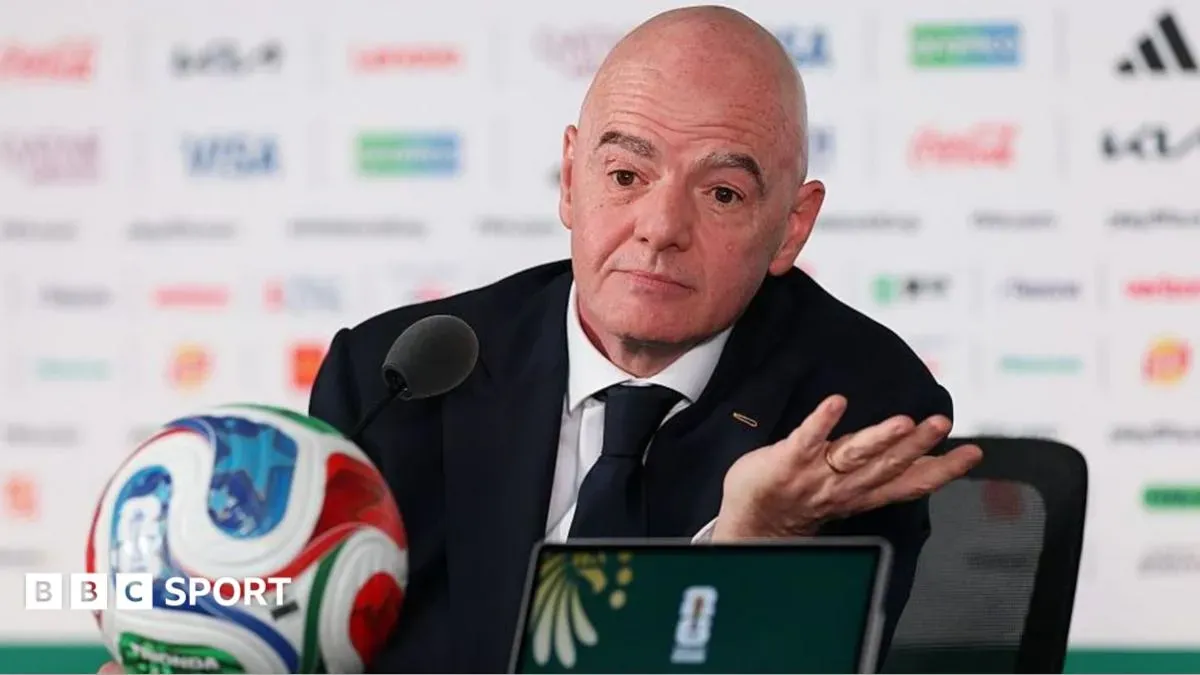
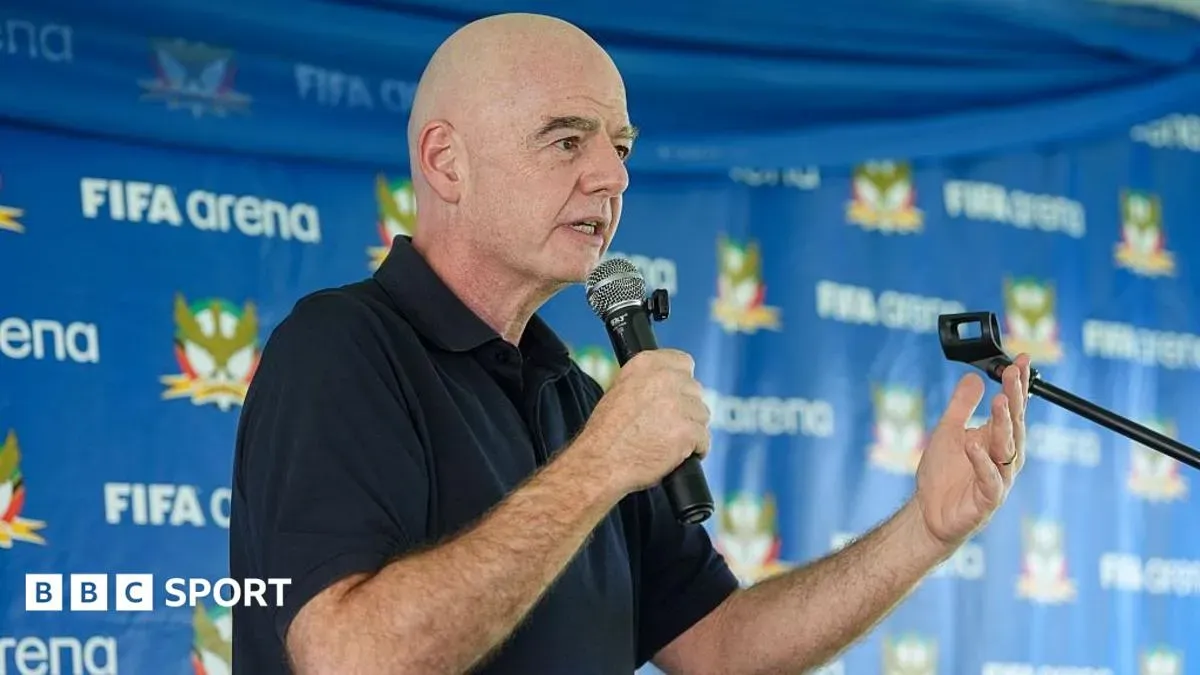
Fifa president Gianni Infantino had already come under scrutiny at the Fifa Council meeting on Thursday, where he apologized for his World Cup sell-off plan but failed to offer a satisfactory explanation of how the proposal was developed.
In a sharply worded letter, Uefa general secretary Theodore Theodoridis accused Fifa of dodging key questions and failing to provide necessary documentation. He noted that despite numerous requests, many fundamental queries remain unanswered.
The eight-page document outlining 42 questions is a comprehensive list covering sensitive topics such as the private investment arm of Fifa Forward Enterprise (FFE), the organization's Peace Prize initiative, and the controversial decision to suspend USA striker Folarin Balogun from the World Cup.
Fifa's recent actions - including withdrawing FFE, acknowledging past mistakes, and announcing potential governance reforms - have not adequately addressed how decisions were made or why key stakeholders were left in the dark. Uefa is now demanding that Fifa provides clear explanations for these omissions.
The letter makes it clear that the requested information cannot be pushed to the sidelines until the next meeting of the Fifa Council, and that accountability for past decisions must be addressed immediately.
The letter from Uefa poses a series of questions about the Football Federation of Europe (FFE), which was approved by Fifa's management board last month despite some concerns raised by European football leaders.
Among the key points, Uefa is seeking information on when the idea of FFE first emerged and who authorized its development. They are also interested in knowing which members of the Fifa administration were involved in the project and what measures will be put in place to prevent similar shortcomings from occurring again in the future.
Uefa's letter questions the circumstances surrounding Infantino's initial presentation of the FFE plan to senior Fifa executives, including whether he informed them about a potential investigation into Fifa by US authorities. According to Uefa, this statement was allegedly made two days before the vote on the FFE proposal and could have potentially influenced the decision.
The letter from Uefa also asks Infantino to confirm whether such a statement was indeed made and provide details on the information that led to it. They are seeking clarification on why he raised the issue at that particular moment and whether he considered its potential impact on members who were about to vote on FFE.
Furthermore, Uefa is requesting information on Infantino's involvement in FFE, including whether he would have held any position or role within the organization during or after his tenure as Fifa president. This line of questioning aims to shed light on the extent of his potential influence and control over FFE.
The tone of Uefa's letter suggests that they are seeking transparency and accountability from Infantino regarding the FFE project, which has raised concerns among European football leaders about its legitimacy and implications for the sport.
Uefa's letter to Infantino raises questions about the involvement of Joshua Kushner's Thrive Capital in the FFE project. Specifically, why was an agreement granting exclusivity to the company signed without prior consultation of the Fifa Council? This move has sparked concerns among European football leaders.
The selection of Thrive Capital as lead investor without a competitive tendering process has also been questioned by Uefa. The fact that the company's links to the family of the recipient of the Fifa Peace Prize are not being disclosed has added to the controversy.
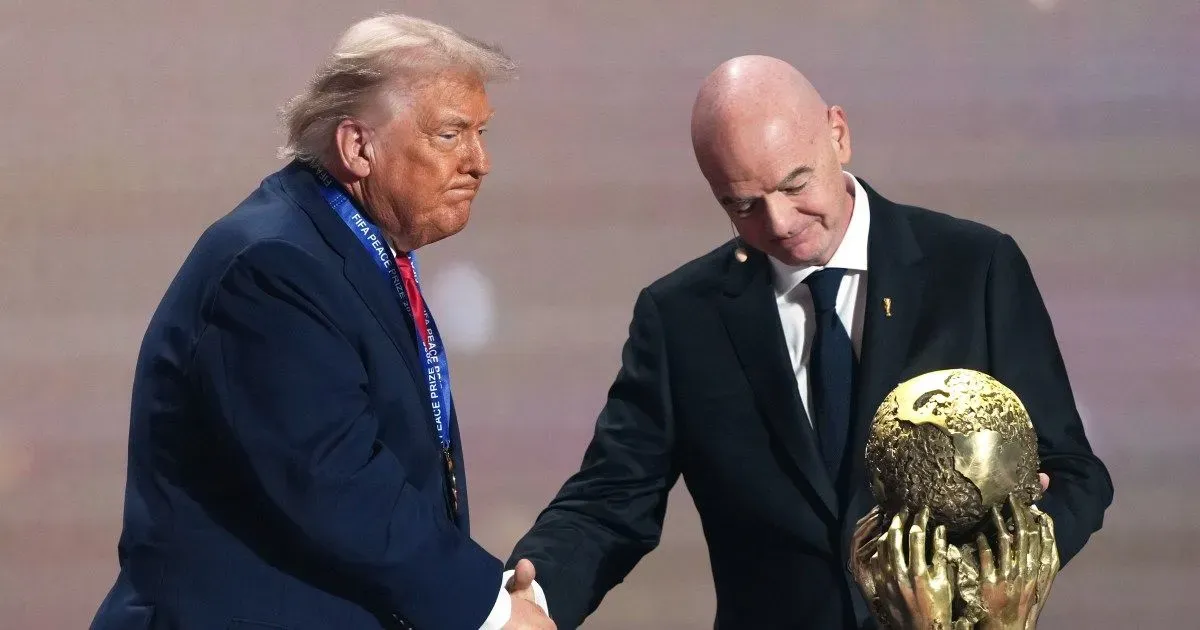
Uefa is seeking answers about the award of the Fifa Peace Prize, including who decided to establish it and why Donald Trump was chosen as its first recipient. These questions highlight the perceived lack of transparency surrounding the prize's establishment.
Infantino's handling of the FFE plan has been under scrutiny since its details were revealed after the World Cup final. He initially promised that member associations would receive $40m if they backed the project, with an initial payment of $20m to be made by a deadline of 19 September.
However, once the scheme was abandoned, Uefa and Concacaf called on Fifa to pay at least $10m from its cash reserves to each member association. Infantino has since agreed to increase funding for football development worldwide by $3.4bn.
Uefa is also seeking clarification about why increased funding for member associations was presented as part of the FFE project, rather than being financed directly from Fifa's resources. This question highlights concerns about the legitimacy and purpose of the FFE plan.
Fifa's financial situation has raised questions about its decision to seek investment from private investors despite having a strong financial position.
The move has sparked concerns over the legitimacy and purpose of Fifa's plan, particularly given its subsequent proposal to fund football development directly from its own resources on a much larger scale.
Sources indicate that Fifa's ability to answer certain questions is restricted due to ongoing legal action by Uefa in the US.
Fifa was requested to disclose evidence and documents as part of this case, with the threat of a criminal complaint being lodged in Switzerland if compliance is not met.
The scrutiny surrounding Fifa has also extended to Infantino, who faced criticism over his handling of a high-profile disciplinary case involving a player named Balogun.
Infantino's office had previously claimed that the disciplinary committee was independent, but it has since been announced that its legal committee will review and amend the disciplinary code to prevent similar situations in the future.
Fifa has been asked to provide detailed information on several key issues by Uefa, the governing body's main rival in European football. The requests include all correspondence between the chair of the disciplinary committee and Fifa's administration, including letters or emails exchanged with the president and chief legal officer.
Uefa is seeking clarification on the decision-making process behind the Balogun case, specifically the reasons for a single member of the committee making the final call. This includes details on the information and evidence presented to the committee.
Fifa has been asked about the unusual handling of DR Congo's World Cup qualifying match, where an ineligible player was reportedly fielded but no disciplinary action was taken. Typically, such incidents result in disqualification.
Reports have surfaced that Fifa President Infantino received additional compensation from FWC2026 US Inc., which organizes the US World Cup. Uefa wants Fifa to disclose the nature and amount of these payments, why they were not included in the annual report, and whether they were reviewed and approved by relevant bodies.
The tax implications of this extra remuneration are also a point of inquiry for Uefa, as it seeks confirmation on whether the additional salary was treated as taxable income and if corresponding taxes were paid.
Uefa has issued a stern warning to Fifa's Secretary General, Gianni Infantino, demanding that he release key documents related to several high-profile transactions and arrangements.
The European governing body is seeking clarification on a seven-year lease of office premises in Trump Tower, New York, which was reportedly arranged by Eric Trump, son of former US President Donald Trump. According to Uefa, the premises were unused for much of the year, raising questions about the financial implications of this arrangement for Fifa.
Uefa's letter also touches on the impartiality of the chair of the Fifa electoral committee, who attended the 2026 World Cup as an accredited individual with expenses covered by Fifa. This has led to concerns that the official may have had a conflict of interest in the upcoming presidential election.
Fifa has been asked to provide detailed explanations for these arrangements and interventions, including decision-making processes, potential conflicts of interest, financial implications, and the extent to which competent Fifa bodies were informed or consulted.
Facts based on reporting originally published by BBC Sport.
You may republish this story, in full or in part, if you credit Noti Group and link to it (licence CC BY 4.0). Photos are not included.