





Ice Baths and Compression Garments for Recovery: Limited Evidence
Recreational gym-goers are adopting elite athlete recovery techniques such as ice baths and compression garments to alleviate muscle aches.
Finishing a tough workout always brings an initial sense of satisfaction, but the feeling can quickly turn sour as muscle aches start setting in hours later. These discomforts can linger for days, making everyday tasks more challenging than usual.
In search of relief from these aches and pains, some recreational gym-goers have started adopting recovery techniques typically reserved for elite athletes. Social media and professional sports have helped popularize various methods such as ice baths, compression garments, massage therapy, and recovery supplements.
While many of these products claim to offer faster recovery, reduced soreness, and improved performance, the scientific evidence is often more complex than initially thought.
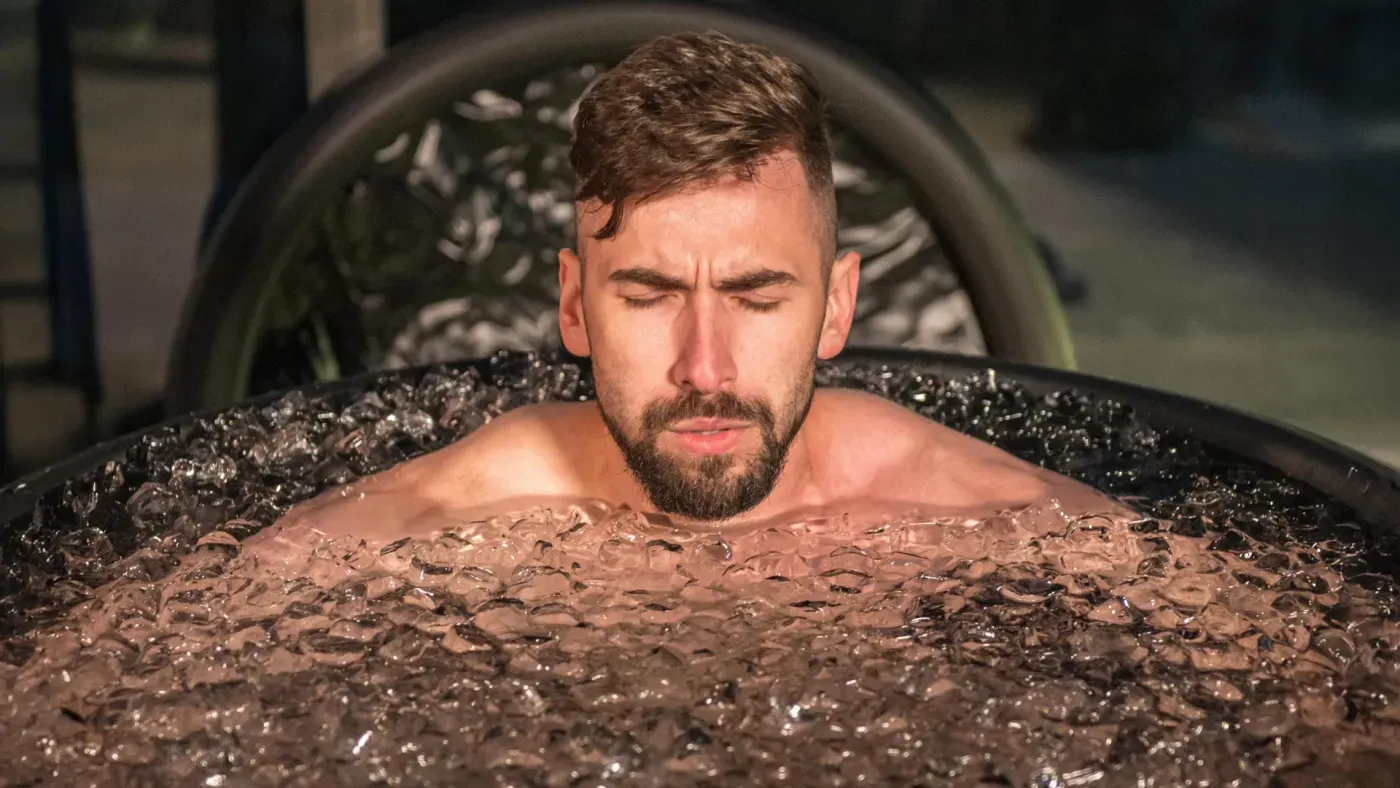
Ice baths, in particular, have gained significant attention for their potential benefits. This involves immersing oneself in water below 15 degrees Celsius to boost recovery. However, research suggests that the effectiveness of ice baths in reducing muscle soreness and aiding recovery is not as clear-cut.
Ice baths can help ease inflammation, which may contribute to reduced muscle soreness and improved muscle function within a 24-hour period following intense exercise.
Wearing compression garments after a workout has become a common practice to speed up recovery. The idea behind it is that the external pressure helps circulation, boosts blood flow to the muscles, and reduces swelling. However, research suggests that while compression garments may provide temporary relief from soreness, their effectiveness in improving muscle recovery is not as clear-cut.
A study published in 2022 put compression garments to the test by comparing them with a placebo treatment. The participants who wore compression garments showed improved circulation and increased blood flow to the muscles, whereas those given the placebo did not experience any significant changes. This suggests that compression garments may indeed have a physiological effect on recovery, rather than just being a psychological booster.
Despite these findings, it remains uncertain whether the benefits of compression garments translate into improved performance. Some studies indicate that they can affect certain markers of recovery, but it is unlikely to directly restore muscle function. Instead, they may be providing a placebo effect by making people feel better about their recovery.
Massage therapy, on the other hand, has shown more consistent scientific support as an effective recovery intervention. It can not only reduce soreness and improve perceived recovery after exercise, but also provide tangible benefits in terms of physical restoration.
Massage therapy has long been touted as a way to aid in post-exercise recovery, but its actual mechanisms of action remain unclear. While some benefits have been observed, such as reduced muscle stiffness and improved circulation, these effects may not necessarily translate into tangible improvements in performance or muscle function.
Athletes who receive massage treatments often report feeling less sore and perceive an improvement in their overall recovery. However, when objective measures are taken, the results are more modest and inconsistent. This discrepancy suggests that while massage may provide some subjective benefits, it may not be as effective as previously thought in restoring physical performance.
The supplement market is flooded with products promising reduced soreness and faster recovery, but not all of these claims are backed by science. Some supplements, such as whey protein, have been shown to stimulate muscle protein synthesis - a process that can aid in muscle growth and repair. However, the evidence for whey protein's ability to alleviate soreness is inconsistent.
BCAAs, which typically contain leucine, isoleucine, and valine, are widely used supplements believed to switch on protein synthesis. While they may provide some benefits, the science supporting their effectiveness in reducing soreness and improving recovery is limited. As a result, athletes should approach these products with caution and be wary of exaggerated claims.
When it comes to muscle recovery after a workout, some popular supplements have been found to be less effective than they claim. Branched-Chain Amino Acids (BCAAs), for instance, may not provide the full range of essential amino acids that muscles require to repair themselves.
This limited effectiveness is because BCAAs lack certain amino acids that are crucial for muscle repair. Foods such as chicken, beef, and salmon, on the other hand, contain all the necessary amino acids in a balanced form.
Tart cherry juice has gained popularity in recent years due to its high content of polyphenols - plant compounds with anti-inflammatory and antioxidant properties. These compounds may help reduce muscle damage and soreness after exercise by preventing cell damage and inflammation.
Research suggests that these polyphenol-rich compounds have a small-to-moderate effect on reducing post-workout soreness, while also aiding in the restoration of muscular strength and power.
While some studies indicate that omega-3 supplements can modestly alleviate muscle soreness and preserve muscle function after intense exercise, results are not consistently reliable. This means that relying solely on these supplements for recovery is unlikely to yield significant benefits.
Some popular recovery techniques may provide limited benefits in reducing muscle soreness, but they do not significantly restore muscle function.
The most effective evidence for good recovery comes from fundamental practices such as rest and nutrition. It appears that relying on supplements or gimmicks is unlikely to yield substantial results.
Recovery cannot be reduced to a product or formula that can be bought and sold; it is a natural process that requires basic, uncomplicated approaches.
Facts based on reporting originally published by ScienceDaily Health.
You may republish this story, in full or in part, if you credit Noti Group and link to it (licence CC BY 4.0). Photos are not included.