






Food Waste and Global Hunger: A Stark Disparity
The world discards over a billion tonnes of food annually, while 645 million people globally went hungry in 2025.
Food waste and global hunger are two pressing issues that intersect in complex ways. According to UN estimates, for every five meals served worldwide, one ends up in the trash, resulting in over a billion tonnes of discarded food annually.
This staggering figure is juxtaposed with the reality of 645 million people globally who went hungry in 2025, representing about one in 13 of the world's population. The disparity between these two numbers is stark and demands attention on World Food Day, October 16, which commemorates the founding of the Food and Agriculture Organization (FAO) in 1945.
The theme of this year's observance, "Innovate today, nourish tomorrow", underscores the need for food systems that can feed more people while minimizing waste. This call to action resonates with concerns about global hunger, which has decreased for a third consecutive year but still lingers above pre-pandemic levels.
The UN's State of Food Security and Nutrition in the World report highlights the persistence of hunger worldwide. The 645 million individuals who faced hunger in 2025 represent 7.8 percent of the global population, down from 8.1 percent in 2024 but still about 61 million more people than in 2019.
Global hunger rates have been steadily declining since 2022, when they peaked at 8.6 percent of the world's population. However, these numbers are a sobering reminder of the ongoing struggle to ensure access to nutritious food for all individuals around the globe.
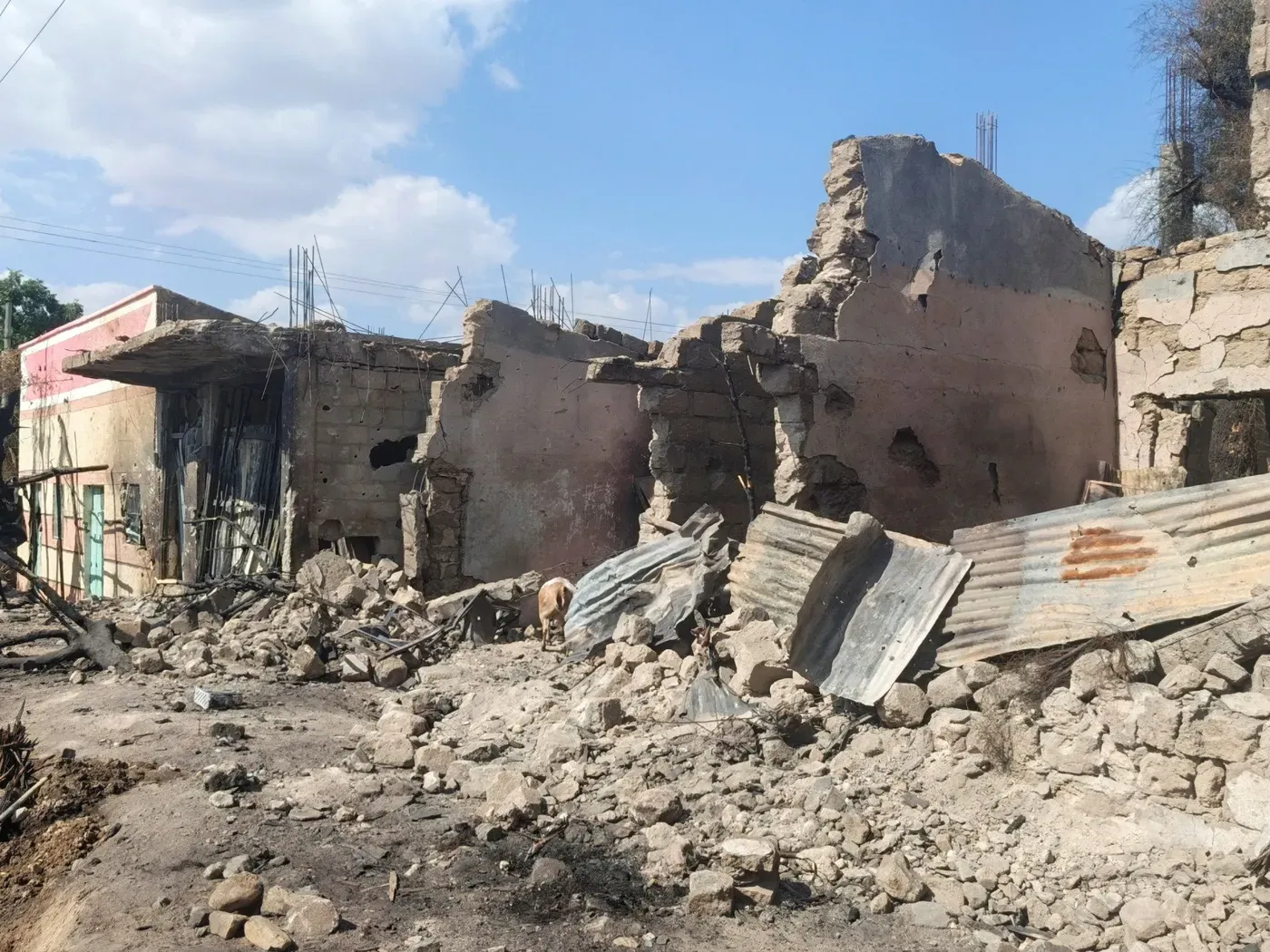
Africa bears a disproportionate burden when it comes to hunger, with more people struggling to access nutritious food than any other region on the continent.
According to estimates, 309 million individuals in Africa were undernourished in 2025, representing one in five people and nearly half of the world's hungry population. This staggering figure underscores the pressing need for sustainable solutions to address hunger in Africa.
In comparison, Asia and Latin America have significantly lower numbers of undernourished individuals, with 292 million and 32 million respectively. These statistics are reflected at the country level as well, where the Global Hunger Index reveals a similar pattern.
Eight countries were classified as having an alarming level of hunger, with Somalia scoring the lowest among the 122 ranked nations. The Democratic Republic of the Congo, Chad, Madagascar, Sudan, South Sudan, Burundi, and Yemen also fall into this category, highlighting the widespread nature of the issue in Africa.
Food production is another area where significant waste occurs, with an estimated 13 percent of global output being lost between harvest and consumption due to spoilage during storage, transport, or processing. Fruits and vegetables are among the most affected categories, underscoring the need for more efficient food systems.
Food waste is a pressing issue worldwide, with significant economic implications. According to the Food and Agriculture Organization (FAO), an estimated $400 billion worth of food is lost before it reaches consumers each year.
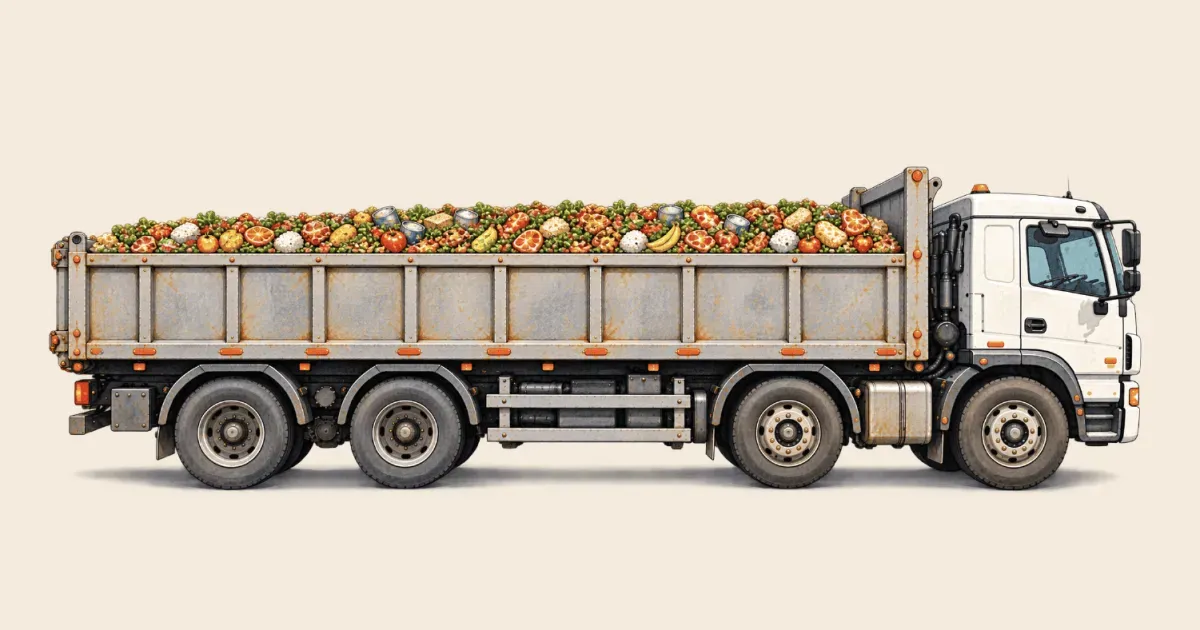
The problem doesn't end there, as households, restaurants, and shops also discard nearly 20% of available food, amounting to around 1.05 billion tonnes in 2022, as reported by the UN Environment Programme (UNEP). To put this into perspective, that's equivalent to 52.5 million trucks carrying 20 tonnes each.
Households account for the majority of food waste, accounting for 60% of discarded food, followed by restaurants and other food services at 28%, and shops at 12%. This breakdown highlights the importance of individual actions in addressing this issue.
Countries with warmer climates tend to generate more food waste at home, possibly due to higher consumption of fresh produce and limited refrigeration. In fact, the Maldives tops the list, with each person discarding approximately 260kg of food annually, roughly double the global average.
The Maldives' staggering food waste record is just one example of a broader issue that affects many countries worldwide. According to various estimates, Spain stands out for its relatively low levels of food waste, averaging around 39kg or less per person.
Food loss and waste come at a significant economic cost, with the global economy losing over $1 trillion annually, as reported by the UN. This staggering figure highlights the enormous resources devoted to producing food that ultimately ends up being discarded.
The environmental impact of this waste is also substantial, with an estimated 8-10 percent of global greenhouse gas emissions attributed to food loss and waste. Moreover, nearly a third of the world's agricultural land - an area roughly the size of Canada - is dedicated to growing food that never reaches consumers.
Facts based on reporting originally published by Al Jazeera.
You may republish this story, in full or in part, if you credit Noti Group and link to it (licence CC BY 4.0). Photos are not included.