


EU and UK Agree on Post-Brexit Youth Mobility Scheme
The agreement will allow young people from both sides to travel, work, or study in each other's territories under a new post-Brexit youth mobility scheme.
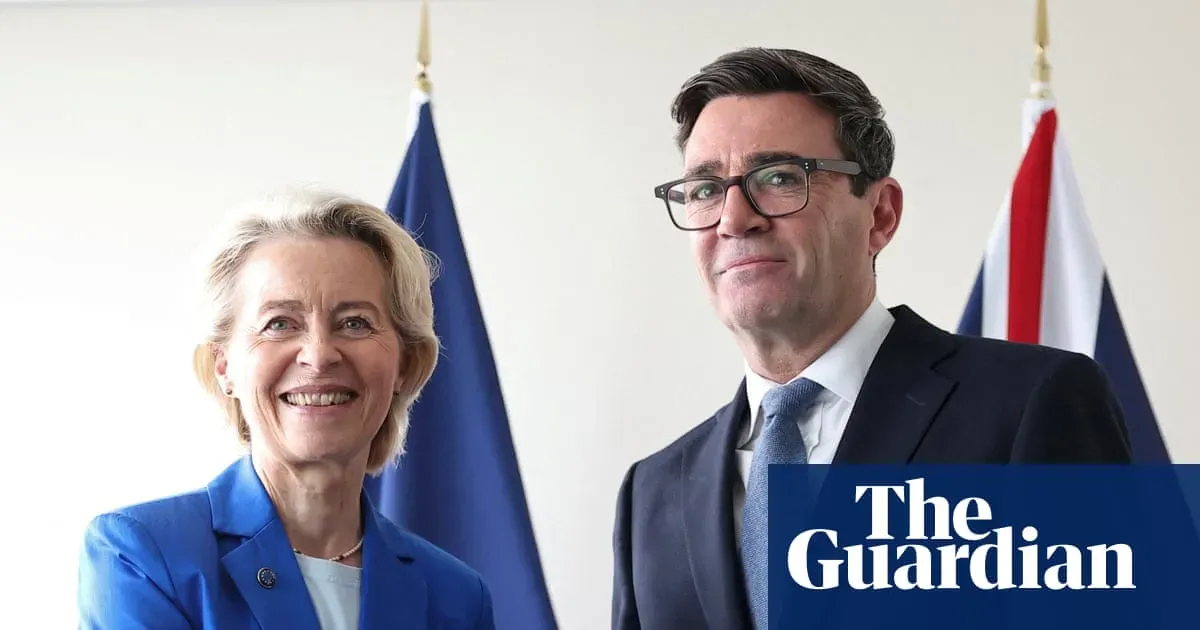
The long-awaited new deal between the EU and the UK is expected to be sealed in principle at an upcoming summit on Friday. However, some of the trickier elements may be postponed for six months. The agreement will pave the way for a post-Brexit youth mobility scheme that will allow young people from both sides to travel, work, or study in each other's territories.
The implementation timeline for the new deal is being pushed back to 2030, which means that many under-30s who had hoped to take advantage of it next year will be disappointed. The delay has been agreed upon by negotiators from London and Brussels. A text outlining the agreement states that both sides aim to apply the terms no later than 2028 and ensure opportunities are available for young people by January 2030.
EU ambassadors will meet in Brussels on Wednesday to discuss the latest draft joint statement, with talks on youth mobility going down to the wire. The meeting is a crucial step towards finalizing the agreement. However, it remains unclear whether all aspects of the deal will be ironed out before the summit on Friday.
A key aspect of the new deal is the proposed tuition fees for EU citizens in UK universities. Under the terms, they may pay a reduced international fee or the same fee as UK nationals. The concession has been made to facilitate greater mobility between the two regions. The agreement will also cover other areas such as working and studying rights.
EU countries like Germany are considering allowing an unlimited number of young Britons under the youth mobility scheme. According to sources, about 100,000 people per year could be allowed to work, travel, or study in each other's territories from 2028. The quota is a crucial aspect of the deal and will determine how many young people can take advantage of the new opportunities.
The quota system, proposed by the UK as part of the youth mobility scheme, has sparked debate among European countries regarding their own entry limits. While some nations have expressed concerns about mass migration, others are open to accepting unlimited numbers of young Britons.
Smaller EU member states like Malta and Luxembourg are pushing for a country-specific approach to quota allocation, rather than a per-capita system that would be based on each nation's population size. This alternative method aims to simplify the process and avoid potential disputes between countries.
The Made in Europe legislation, scheduled for a vote in April next year, is expected to influence the quota negotiations. By linking these two issues, the UK hopes to secure assurances that the final details of the mobility deal will be tied to the outcome of this legislation. This would ensure that both parties are on the same page regarding EU supply chains and industry priorities.
The agrifood deal, which is a crucial aspect of the overall agreement, is not expected to be finalized until March 2028. A draft statement seen by observers confirms this timeline, underscoring the complexity and length of the negotiations process.
In another potential breakthrough, there may be an agreement to initiate dialogue on removing barriers to touring artists, specifically bands and theater companies that frequently perform across multiple EU member states.
The joint statement issued by UK and EU leaders has opened up new possibilities for cooperation on several fronts, including a potential agreement on steel trade between the two parties.
However, significant hurdles remain in place as talks continue over the dynamic alignment of trade defence measures such as tariffs on Chinese cars. The sticking point is whether the UK will commit to aligning its policies with those of the EU on this issue, which has yet to be resolved.
The prime minister has indicated that he will take a step back from making any major decisions about the UK's relationship with the EU for now, opting instead to review the situation after Friday's summit in Brussels and consider agreements on food and farming and emissions trading.
Facts based on reporting originally published by The Guardian Business.
You may republish this story, in full or in part, if you credit Noti Group and link to it (licence CC BY 4.0). Photos are not included.