






CVS Health Announces Plan to Separate Pharmacy Business from Insurance Unit
The company plans to split into two publicly traded companies by the first half of 2028, separating its pharmacy business from its major insurance business and pharmacy benefit manager.
CVS Health has announced plans to split into two publicly traded companies by the first half of 2028. The move involves separating its pharmacy business from its major insurance business and pharmacy benefit manager, Caremark. This decision marks a significant shift for the healthcare conglomerate, which had previously considered a breakup but ultimately walked away from it.
The separation comes as CVS's retail pharmacy business has become more consistently profitable, while its insurer, Aetna, has shown improvement in performance despite high medical costs in Medicare Advantage plans. This change in economics could make it easier for the company to separate its units and allow investors to value each one individually rather than as part of a larger conglomerate.
Analysts point out that CVS's retail pharmacy business was previously seen as unsustainable on its own, but now its stability has improved significantly. The business has overcome headwinds that had plagued it in the past, allowing it to post consistent profits. This shift in dynamics could make a breakup more viable than ever before.
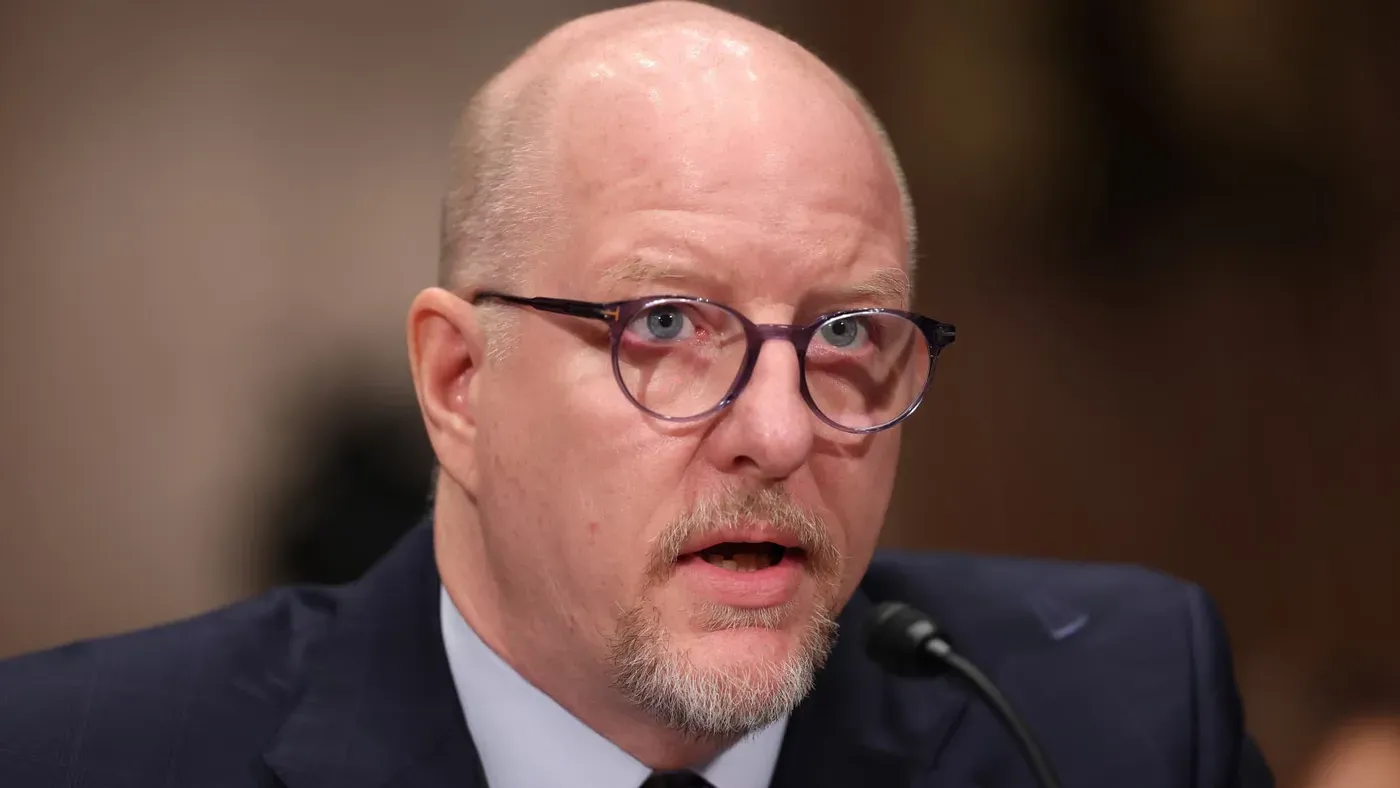
CVS CEO David Joyner attributed the company's previous inability to execute a split to being "in a turnaround" phase without sufficient flexibility, cash, or business performance. However, the company has since posted eight consecutive quarters of beating Wall Street earnings estimates and raised its guidance several times over the last two years.
The improvement in CVS's PBM, pharmacy, and insurer segments has contributed to this positive trend. The company's ability to execute a split now is significantly different from what it was three years ago when a breakup was first considered. This time around, investors seem more confident in the potential success of a breakup.
CVS's decision to separate its units could have significant implications for the healthcare industry and investors alike. It remains to be seen how this move will impact the company's stock performance and overall market dynamics.
CVS Health's aggressive turnaround plan, led by CEO Karen S. Lynch since 2024, aims to slash costs by $2 billion through a combination of measures including store closures, leadership changes, and efforts to control Medicare Advantage expenses.
The company has also made significant progress in boosting its operating cash flow, with projections indicating it will reach at least $15.5 billion by 2026, a substantial increase of about 70% from the $9.1 billion generated in 2024. Moreover, CVS claims to have achieved its target leverage ahead of schedule.
According to CEO Joyner, the company's current financial situation allows for a more objective assessment of its business and assets, enabling strategic decisions that are not driven by distress or necessity. This marks a significant shift from previous years when the company was focused on survival.
Investors have largely welcomed CVS's turnaround efforts, but the recent announcement sparked a more cautious response from Wall Street, with the company's shares plummeting about 12% in value following the news.
CVS has benefited from changes in the competitive landscape, as rival pharmacy operators such as Walgreens and Rite Aid have scaled back their operations or closed stores. This has created opportunities for CVS to expand its market share, according to some analysts.
The company's introduction of a new pharmacy reimbursement model, CostVantage, is also seen by some analysts as a key factor contributing to its improved profitability. By shifting away from traditional payment structures and towards a more transparent cost-based system, CVS can better align reimbursement with the actual costs of dispensing prescriptions.
The retail pharmacy segment of CVS Health remains a relatively low-margin operation, with adjusted operating margins hovering around 4% to 5%. Despite its stability and profitability, investors have been valuing this unit at a discount compared to CVS's other businesses.
Analysts point out that the lower valuation assigned to the retail pharmacy unit has weighed on CVS's overall value. This is because it obscures the earnings strength of businesses like Aetna and Caremark, which have shown stronger underlying growth.
Caremark's growth has been boosted by its efforts to get a better handle on medical costs. The company has achieved this through various means, including exiting unprofitable markets, expanding value-based care models, and tightening utilization management.
The insurance business, specifically Aetna, has made significant strides in reducing medical costs. By streamlining its operations and adopting more efficient cost-management strategies, Aetna has been able to improve its bottom line.
Meanwhile, Caremark is facing increased scrutiny over its practices as a pharmacy benefits manager (PBM). This includes state-level legal and regulatory challenges involving the company's relationships with pharmacies.
The pressure on Caremark's PBM business has grown in recent months, with Republicans in Tennessee and Arkansas passing laws that would ban any one company from owning both a pharmacy and a PBM.
The strategic review that led to CVS's decision to split its business into separate entities has yielded a significant shift in strategy for the company. According to those familiar with the matter, the separation is not driven by regulatory issues.
This move marks a departure from the integrated healthcare model that CVS had been promoting, which aimed to combine health insurance, pharmacy benefit management, retail pharmacies, and health providers under one roof. The idea was to create a competitive advantage through coordinated care. However, it appears that the company now sees more value in separating at least some of these businesses.
The proposed split suggests that CVS will retain its integrated healthcare strategy for Aetna and Caremark, alongside other healthcare services such as specialty pharmacy, primary care clinics, and home-visit providers. Meanwhile, a separate pharmacy company will be formed to house the retail stores, mail pharmacy operations, and MinuteClinic locations.
This new structure is expected to give each business more focus and flexibility, allowing them to operate independently and make decisions without being constrained by the needs of other parts of the company. The separation also raises questions about how much of the commercial relationship between the businesses can survive.
Caremark, one of the country's three largest PBMs, will be part of the separate pharmacy company, alongside CVS's extensive retail pharmacy operations. This combination is large enough to stand on its own, with over 9,000 retail stores and mail pharmacy operations under its umbrella.
The relationship between Caremark and CVS has historically benefited both parties, with Caremark using CVS's retail footprint to offer convenient access to prescriptions for its members. Programs such as Maintenance Choice allow eligible members to fill certain maintenance medications at CVS retail pharmacies or through mail order, creating a mutually beneficial arrangement.
The partnership between CVS's retail pharmacy unit and its Caremark pharmacy benefit manager has been a key driver of revenue for the company. This arrangement allows Caremark to direct prescription volume to CVS stores, providing a steady stream of customers for the retail pharmacies.
However, analysts have raised concerns about how a separation between CVS and Aetna could impact Medicare Advantage quality ratings. These ratings are crucial as they determine whether health plans qualify for bonus payments from the government. Retail pharmacists play an important role in engaging with Aetna members, and a separation may complicate this relationship.
CVS has sought to alleviate these concerns by stating that the synergy between its retail pharmacy unit and Caremark will be preserved through commercial agreements between the two organizations. This would allow them to continue working together without the need for a shared operating structure.
According to CVS, it will take 15 to 18 months to work out these potential agreements. This timeframe suggests that the company is committed to ensuring a smooth transition in the event of a separation.
Separate ownership does not necessarily mean that Caremark could no longer favor CVS pharmacies through negotiated arrangements. However, under separate ownership, the profits from these arrangements would no longer accrue to a single company.
The industry's preferred pharmacy networks suggest that companies can continue working together even after a separation. Nevertheless, analysts caution that both businesses face significant challenges on their own, including competition from online pharmacies and consumer pressure.
Caremark, a key segment of CVS Health's business, continues to face regulatory challenges and potential disruptions from changes to the 340B drug discount program. This program requires pharmaceutical companies to offer discounted medications to eligible hospitals and healthcare providers serving low-income patients.
CVS participates in this program by providing pharmacy services to these organizations, but any modifications to manufacturer data-sharing policies or reimbursement changes could negatively impact Caremark's operations starting next year.
Aetna is currently working on a multi-year plan to boost its margins, particularly focusing on improving the profitability of its Medicare Advantage business.
Facts based on reporting originally published by CNBC.
You may republish this story, in full or in part, if you credit Noti Group and link to it (licence CC BY 4.0). Photos are not included.