






US Healthcare Giant CVS Plans to Split into Two Companies by 2028
CVS Health is set to split into two separate public companies, reversing its 2018 acquisition of Aetna and dismantling its vertically integrated healthcare conglomerate.

CVS Health has announced plans to split into two separate public companies by the first half of 2028, marking a significant shift in the company's structure.
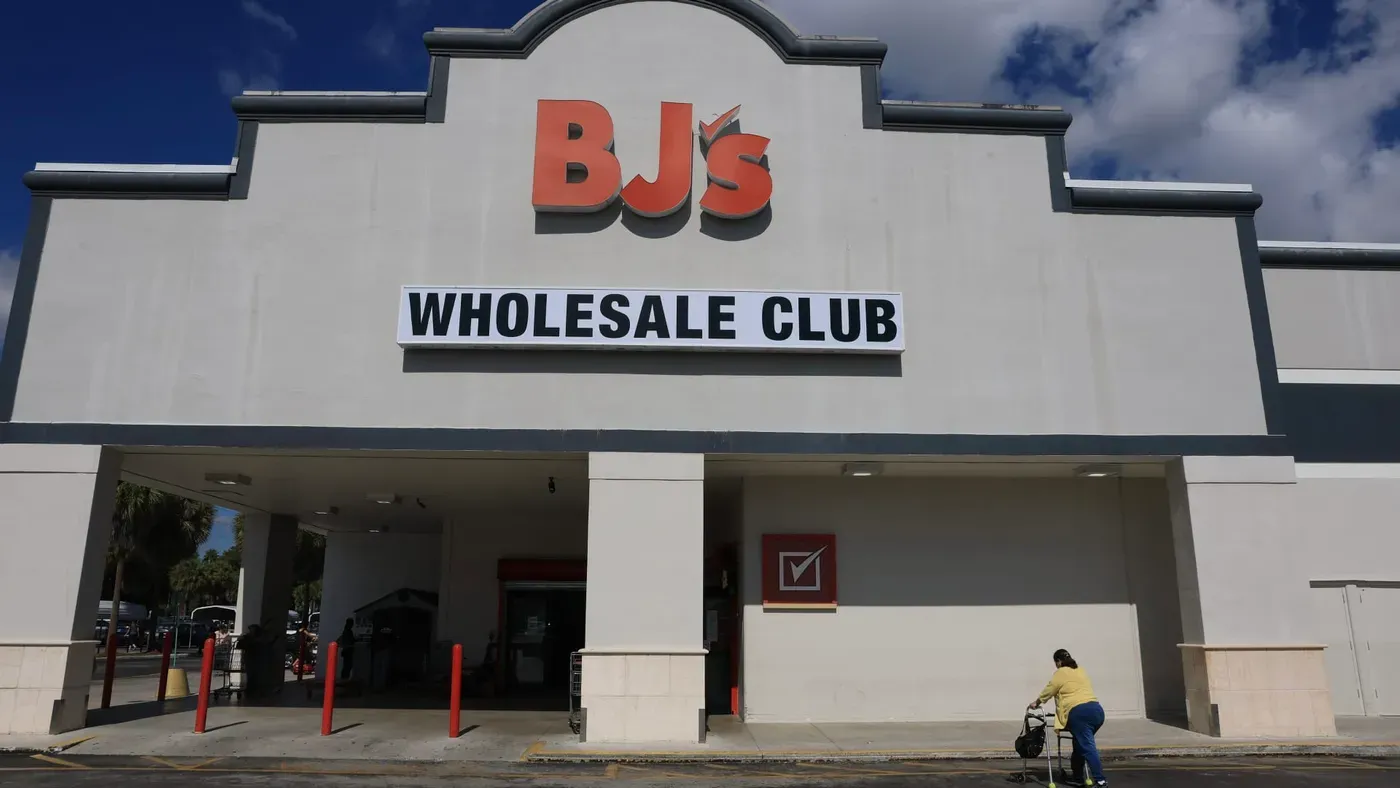
The move will reverse the massive $78 billion acquisition of Aetna that took place in 2018 and dismantle the vertically integrated healthcare conglomerate created at that time. CVS' retail pharmacies, numbering around 9,000, will be separated from its major insurance business and pharmacy benefit manager, Caremark. This separation affects one of the nation's three largest PBMs.
A comprehensive strategic review by CVS' board of directors has led to this decision. This review aimed to assess the company's direction and future prospects.
The reversal is a significant departure for CVS, which had been working towards becoming a one-stop health destination over the past two decades under its aggressive turnaround plan.
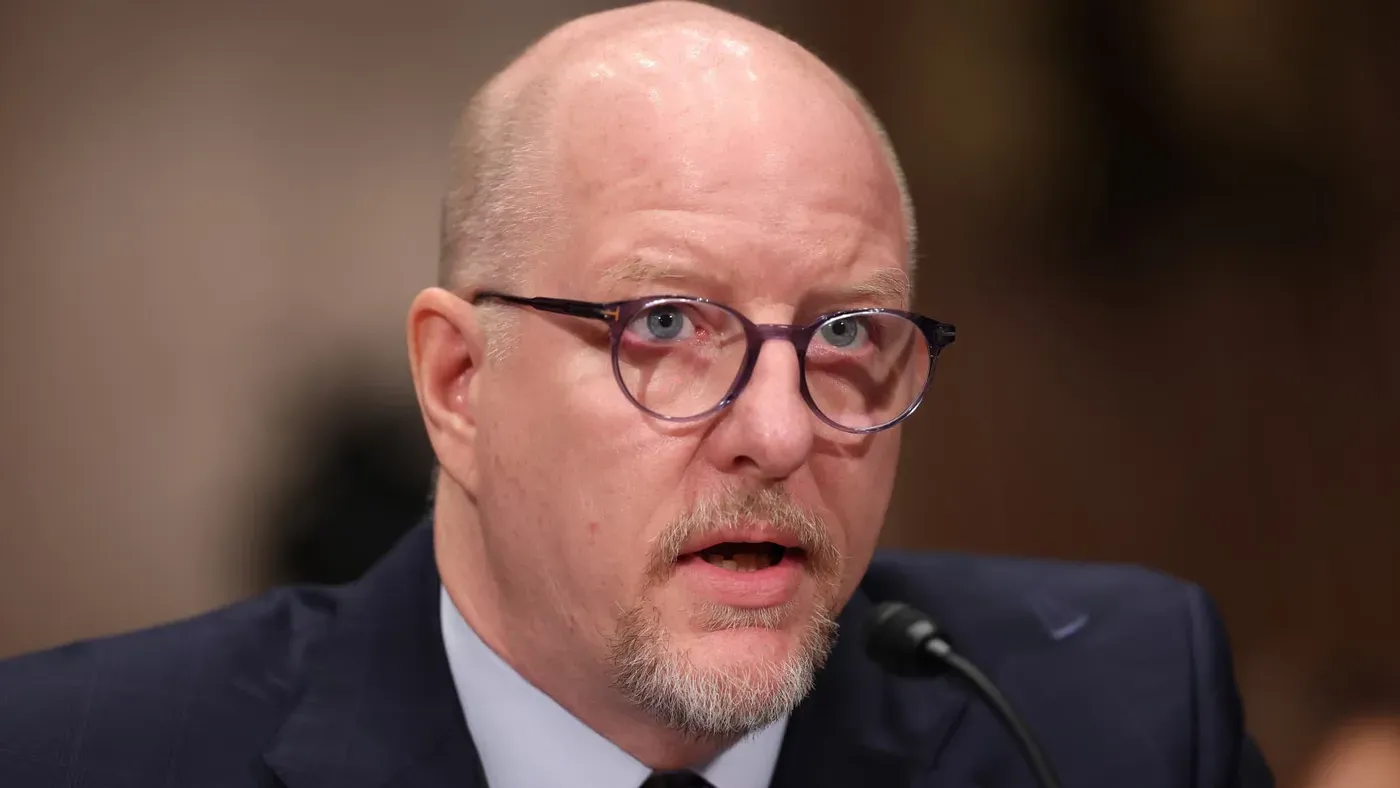
CVS shares have surged approximately 70% since Joyner took over as CEO in October 2024, driving the company's market value to a staggering $117 billion.
The two separate entities will both be publicly traded companies, with CVS Health retaining its current name and being led by Joyner. The pharmacy-focused business, which will be called CVS Pharmacy, will be headed by Prem Shah, who currently serves as group president of CVS Health. The company has announced that additional leadership positions and board members will be revealed at a later date.
CVS shareholders can expect to own shares in both companies following the split, according to the company's plans. This development comes after reports from The Financial Times earlier this week about CVS' intentions to break up its business into separate entities.
The company reported strong third-quarter earnings and revenue figures that exceeded Wall Street expectations. Total sales reached $108.40 billion, a significant increase from the previous year's total of $102.87 billion. Notably, CVS saw growth in its healthcare benefits and services segments, while its pharmacy services division experienced a decline in revenue compared to the prior year.
CVS has announced plans to separate its insurance and pharmacy benefits management business from its retail pharmacy operations in a major restructuring move. The company's insurer and PBM will be combined with its primary care business Oak Street Health, home-visit provider Signify Health, and the specialty drug business. This reorganization is intended to give each entity a focused strategic agenda and enhance their ability to innovate, adopt technology, and increase efficiency.
The decision marks a significant shift for CVS, which has been exploring ways to break up its business since at least October 2024 when it conducted a strategic review with advisors. The move may come as a surprise to some, given the company's efforts to maintain its retail pharmacy and insurance units under one umbrella.
CVS's retail pharmacy business has been performing well in recent times, having gained market share from competitors while stabilizing gross margins through the introduction of CostVantage, a new pharmacy reimbursement model. This growth may have contributed to a more positive outlook for a standalone retail pharmacy operation with significant scale and leverage.
As one analyst noted, the separation of CVS's business units could ultimately benefit both entities, allowing them to pursue their own distinct strategies and goals without being constrained by a larger corporate structure.
The separation of CVS's business units could be motivated by a desire to avoid intense state legislative scrutiny over its level of vertical integration. This criticism may stem from concerns about the company's control over multiple aspects of the healthcare industry.
State and federal lawmakers have been scrutinizing pharmacy benefit managers (PBMs) for their opaque pricing practices, growing market power, and potential conflicts of interest. As a result of this pressure, Congress has implemented reforms in February, including changes to how PBMs are compensated under Medicare Part D.
Facts based on reporting originally published by CNBC.
You may republish this story, in full or in part, if you credit Noti Group and link to it (licence CC BY 4.0). Photos are not included.