





US Midterm Elections See Backlash Against Artificial Intelligence and Datacentres
Voters in several states have passed measures calling for limits on the growth of datacentres, which have become increasingly prominent in recent years.
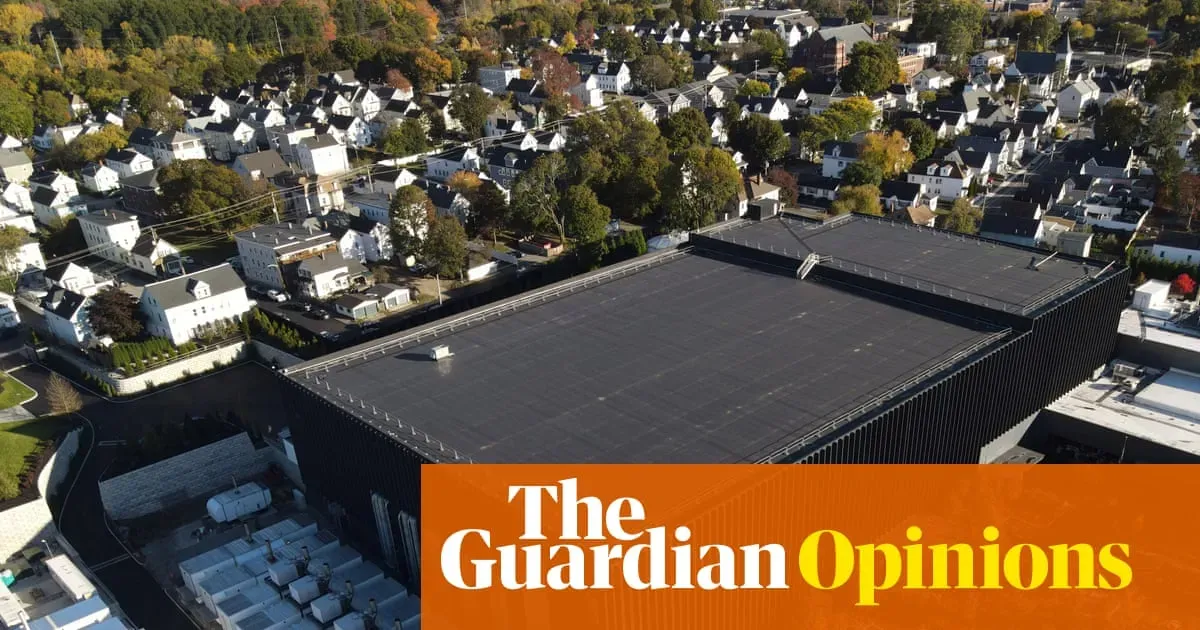
The outcome of the US midterm elections has sent shockwaves through the tech industry, as voters in several states appear to be pushing back against the rapid expansion of artificial intelligence and datacentres.
In a significant number of places, measures were passed that call for limits on the growth of these mega-sheds, which have become increasingly prominent in recent years. This trend is part of a broader backlash against the unchecked power of big tech companies, with many ordinary citizens feeling the strain of rising living costs and environmental degradation.
For some, the cost of living squeeze unleashed by ongoing global conflicts has been a key driver of voter discontent. However, AI and datacentre expansion have also become increasingly prominent as issues on the campaign trail, with many candidates vowing to rein in their growth.
The impact of this shift can be seen in the words of James Talarico, a Texas senator-elect who recently met with a constituent whose family's sleep was disrupted by the bright lights emanating from a nearby datacentre.
The rapid expansion of datacentres across the United States has been touted as a necessary step in supporting the growing demand for artificial intelligence technology. However, this narrative is being challenged by the recent midterm elections, which have seemingly put the brakes on the widespread development of these facilities.
The construction of hundreds of new datacentres, often funded through debt, was meant to be a cornerstone of the AI industry's growth strategy in the US. Yet, the public has begun to question the wisdom of this approach, particularly when combined with warnings that workers may soon be replaced by automated systems.
One aspect of the AI industry that has drawn particular criticism is its tendency to push its technology onto consumers without their consent. This phenomenon, dubbed "enshittification by tech writer Cory Doctorow, involves forcing users to interact with AI-powered interfaces in order to access basic services or features.
The US electorate's growing unease with the AI industry's business practices may be attributed in part to the stark contrast between the wealth accumulated by tech firm leaders and the economic struggles faced by average consumers. As inflation continues to rise, voters are increasingly demanding greater accountability from those responsible for shaping the country's technological landscape.
As the dust settles on the US midterm elections, it's clear that voters have sent a strong message to the tech industry: they're not willing to let companies operate without accountability.
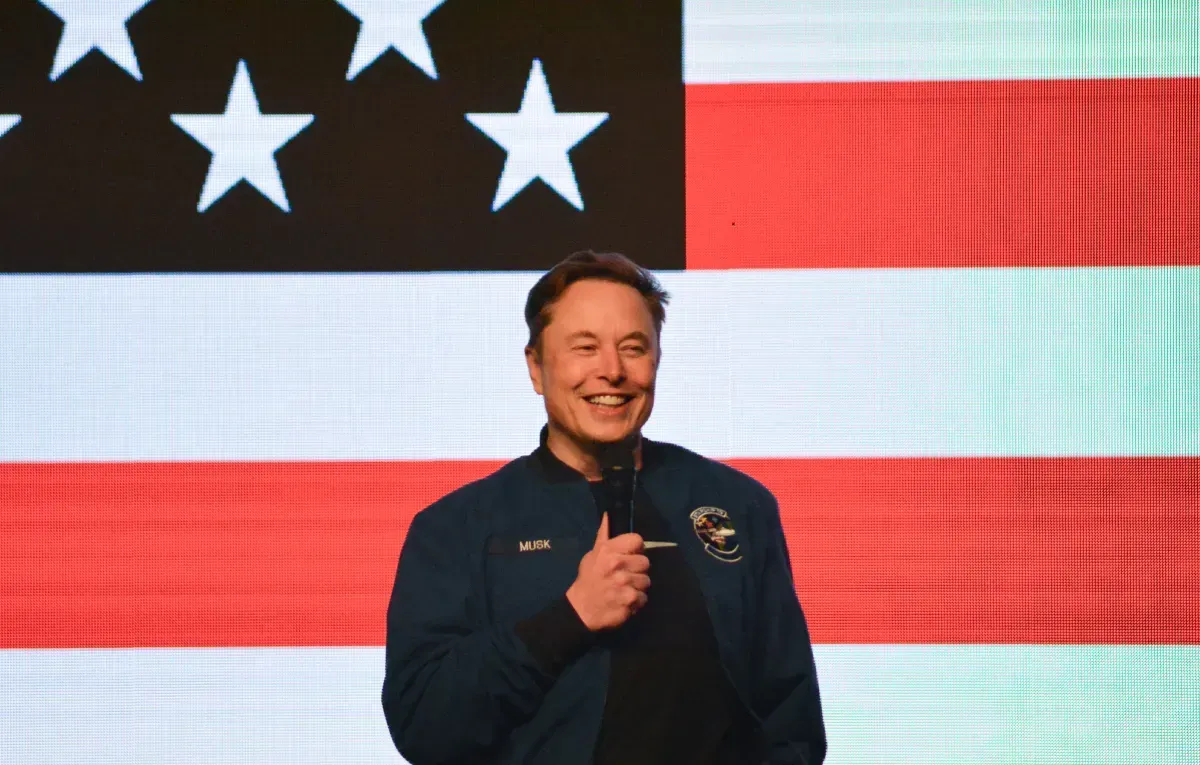
The failure of Elon Musk's Texas gambit, where he invested heavily in an attempt to sway public opinion, has backfired spectacularly. Instead of winning over the electorate, his efforts have become a rallying cry for Democrats.
A growing number of Americans are objecting to the rapid expansion of datacentres, which could signal a more significant shift in public opinion towards greater regulation of the tech sector. This echoes the wave of anti-monopoly sentiment that swept through the US at the turn of the 20th century, when Teddy Roosevelt broke up oil and railway monopolies.
The market is already starting to feel the impact of this shift, with investors growing increasingly cautious about their bets on AI's physical infrastructure. As Joe Maher of Capital Economics noted last week, sentiment towards the AI trade was already looking fragile" before the midterms, and this could be the catalyst for a longer-term unwind of the AI equity boom.
The market's enthusiasm for AI has been tempered by the midterms, which may be a sign that investors are finally waking up to reality. The valuations of companies in this space have been inflated, and it appears that their future growth prospects are not as rosy as previously thought.
Economists like Dario Perkins of TS Lombard have long pointed out that AI's benefits will not be revolutionary enough to justify the current market expectations. In a recent note, he observed that people outside the tech industry were never going to use AI to manage their lives or work processes. This was a fundamental misconception held by Silicon Valley insiders who were living in a bubble.
The industry's financial commitments are staggering, with just two companies - Anthropic and Open AI - having over $1tn in future obligations backed by current revenues of around $200bn. This unsustainable dynamic has been brewing for some time now, even before the midterms intervened.
A growing number of voices have been warning about the market's frothiness, and the Nasdaq's recent peak suggests that a correction may be underway.
The International Monetary Fund has suggested that the massive investments made by hyperscaler firms in artificial intelligence (AI) may not be necessary for its successful rollout. According to the IMF, there is growing evidence that potential economic gains from AI may not be as large as expected.
Lower-cost Chinese models have emerged as a viable alternative to expensive products like Anthropic's Claude, with some corporate users opting to host cheaper models on their own servers rather than paying for costly services. This shift has raised questions about the need for such massive investments in AI research and development.
The backlash against datacentres has brought attention to these concerns, and opposition groups are now challenging the AI lobby to demonstrate its value to societies beyond the US. The tech industry's ability to justify the costs of AI development will be closely watched in the coming months.
Facts based on reporting originally published by The Guardian Business.
You may republish this story, in full or in part, if you credit Noti Group and link to it (licence CC BY 4.0). Photos are not included.