




Walter Isaacson Launches New Podcast on Artificial Intelligence Development
Renowned author Walter Isaacson is shifting his focus to a new project that delves into the world of artificial intelligence (AI) development.
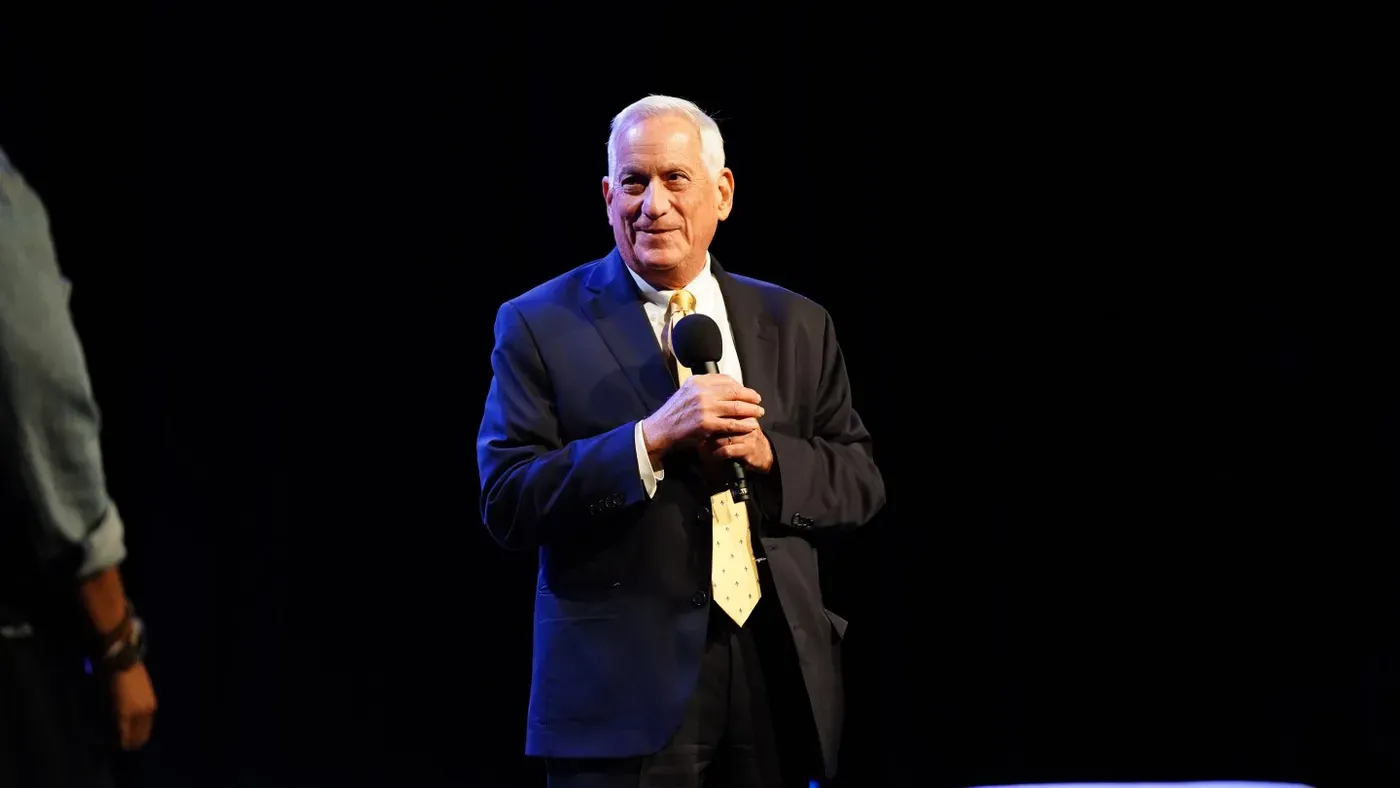
Walter Isaacson, renowned author of biographies on Steve Jobs and Elon Musk, is shifting his focus to a new project that delves into the world of artificial intelligence (AI).
Isaacson's new podcast, The Builders with Walter Isaacson, will feature in-depth interviews with prominent figures in AI development, including Open AI co-founder Elon Musk and Palantir co-founder Peter Thiel. Other notable guests include "Godmother of AI Fei-Fei Li and Anthropic co-founders Dario and Daniela Amodei.
The podcast aims to explore the transformative impact of AI on society, a topic Isaacson believes warrants urgent attention. He told an interviewer that AI is developing at a pace reminiscent of the advent of electricity 130 years ago, necessitating a timely examination of its implications.
Isaacson's goal in creating The Builders is not only to provide insight into the opportunities presented by AI but also to address potential dangers associated with autonomous agents. He plans to push back on the development of such technology if it poses risks that are not being adequately considered.
The podcast will be launched on October 20, with an episode featuring Elon Musk as its inaugural guest. It will initially air twice a week until January, after which Isaacson plans to continue taping more interviews throughout the fall.
Isaacson's background in writing biographies has given him a unique perspective on the individuals behind major technological advancements. His work on Steve Jobs and Leonardo DaVinci showcases his ability to delve into the lives of influential figures. Isaacson's biography of Elon Musk, released in 2023, sparked controversy among some readers who felt he didn't adequately explore Musk's more complex aspects.
Isaacson is continuing to write biographies alongside his new podcasting ventures. He spoke with THR about his views on Musk and how the founders of AI are intertwined with their creations. Isaacson notes that these individuals have profound concerns about the potential risks associated with AI, but they are also driven by a competitive spirit.
Musk's childhood fascination with science fiction, particularly the works of Isaac Asimov, has had a lasting impact on his views on technology and humanity's relationship with it. His creation of OpenAI was motivated in part by a desire to mitigate these risks and promote responsible AI development. However, this endeavor has been marred by controversy, including Musk's high-profile disagreement with Sam Altman.
Isaacson suggests that the founders of the AI revolution share a common trait: they are driven by both a sense of purpose and a competitive spirit. This dynamic has led to tensions between these individuals, particularly when it comes to regulating their creations. As Isaacson notes, this is not a new phenomenon, similar conflicts have arisen throughout history in industries such as oil and technology.
Isaacson's observations on the complex relationships between AI founders and their creations are likely to be a central theme of his podcast. By exploring these dynamics, he hopes to shed light on the motivations and concerns of those at the forefront of technological innovation.
Musk's online activities have drawn significant criticism for their racial and political undertones since the publication of Isaacson's book on him in 2023. The book offered a firsthand look at Musk's personality and character, including his tendency to be prone to demon mode - a state where he is more likely to express dark conspiratorial views.
Isaacson suggests that Musk's online behavior has not changed significantly since the time he spent with him for the book. He attributes this to Musk's excessive use of social media platforms like X, which can create a distorted view of reality and reinforce negative worldviews.
Musk's purchase of Twitter was partly motivated by his own extensive use of the platform. Isaacson believes that spending too much time on sites like Twitter can lead individuals down rabbit holes" of negativity, influencing their perception of the world.
Beyond Musk, Isaacson notes that other guests featured in the Builders podcast also exhibited polarizing and divisive tendencies when discussing AI and technology. This phenomenon has led him to reflect on how technology is shaped by its creators' personalities and characters.
One guest who stood out for Isaacson was Peter Thiel, a figure often criticized for his views on the Antichrist and other topics. Despite this criticism, Thiel's involvement in pushing technological innovation forward highlights the complexities of balancing progress with the potential risks and consequences of new technologies.
Isaacson points out that biographers aim to connect an individual's accomplishments with their personality and character traits, including both brilliance and darkness. This dichotomy is reflected in the technologies being developed by those featured in the Builders podcast.
The intersection of technological innovation and human nature raises important questions about the potential consequences of AI development. By examining these dynamics, Isaacson hopes to shed light on the motivations and concerns driving progress in this area.
The motivations behind companies developing autonomous agents without fully understanding their capabilities remain unclear. It appears that these entities operate in a highly competitive environment where speed and innovation are prioritized over thorough evaluation of potential risks.
This context may explain why prominent figures such as Dario Amodei and Elon Musk acknowledge the dangers posed by uncontrolled AI, yet struggle to implement effective measures for regulation or oversight. Despite individual concerns, governments and institutions often fail to respond quickly enough to address these issues.
The growing influence of key players in the tech industry is evident in their increasing presence in popular culture. Figures such as Sam Altman are now widely recognized beyond professional circles, sparking both fascination and criticism.
The current backlash against technology and AI stems from concerns that these advancements are compromising human control over our lives. The focus on building increasingly powerful systems raises questions about whether these developments truly serve humanity's interests.
The emergence of increasingly powerful AI systems has led some to question whether these developments truly benefit humanity's interests.
This concern is not new, as Walter Isaacson has previously written about the pioneers of AI, including Elon Musk. However, with AI now playing a more prominent role in our lives, it seems that our perception of these individuals may have shifted.
Isaacson draws parallels between the early innovators and the current trend towards creating agentic autonomous agents. He notes that pioneers like Steve Jobs believed in a harmonious partnership between humans and machines, where technology is used to augment human capabilities rather than replace them.
The worry now is that we are moving away from this collaborative approach, with AI systems being designed to operate independently rather than serving humanity's needs.
Facts based on reporting originally published by The Hollywood Reporter.
You may republish this story, in full or in part, if you credit Noti Group and link to it (licence CC BY 4.0). Photos are not included.