






UK Considers Tariffs on Chinese Car Imports to Align with EU Regulations
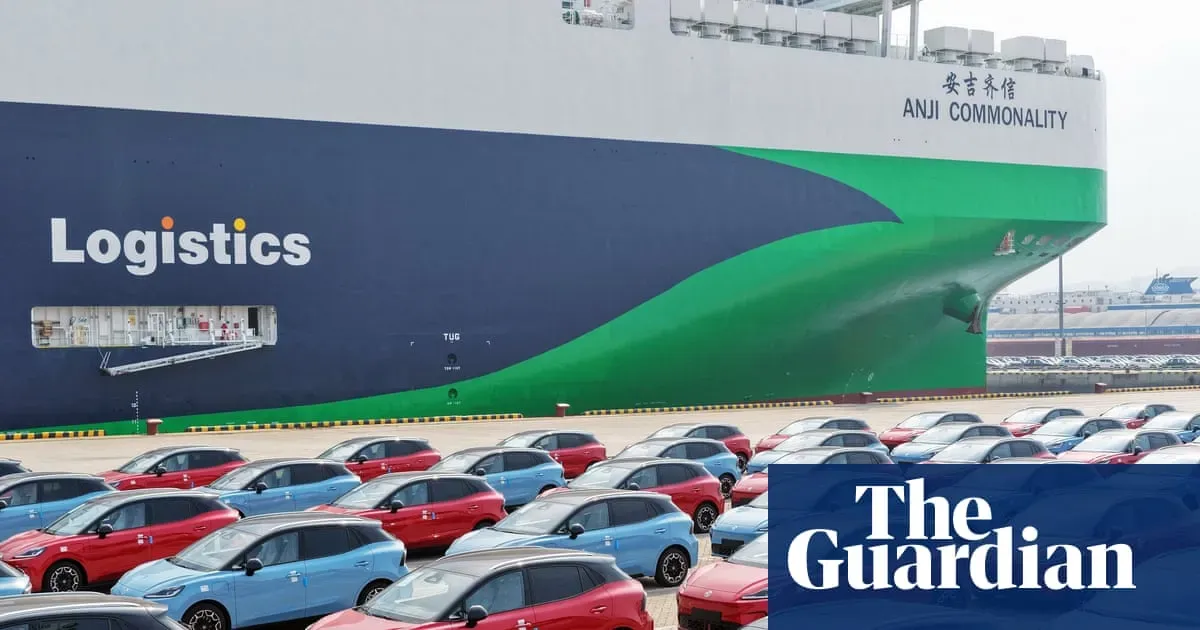
The UK is exploring the possibility of introducing tariffs on Chinese car imports as part of its efforts to align itself with EU regulations, enabling it to participate in new legislation aimed at protecting European manufacturing sectors.

The UK is exploring the possibility of introducing tariffs on Chinese car imports as part of its efforts to align itself with EU regulations. This move would enable the country to participate in new legislation aimed at protecting European manufacturing sectors, including autos and chemicals.
Discussions between the UK and EU have been underway regarding the "Made in Europe legislation, known as the Industrial Accelerator Act. As part of these talks, the EU has raised the issue of tariffs on Chinese vehicles with the UK government.
The UK is currently an outlier among European countries for not imposing import taxes on Chinese cars. In contrast, the US has largely excluded Chinese vehicles from its market. The EU believes that introducing tariffs would create a level playing field and align the UK's policies with those of other European nations.
The EU has already imposed tariffs of up to 45% on Chinese cars since October last year as part of its own protectionist measures. If the UK were to follow suit, it would likely face resistance from Beijing and could complicate efforts to reset relations between the two countries after Brexit.
The UK government has been pushing to be included in upcoming legislation that would require manufacturers to source components from within the European continent. This move aims to mitigate the growing influence of China in supply chains, particularly in the auto and chemicals sectors.
A shift in policy is implied by this potential move, as it diverges from the previous administration's stance on China. Under Keir Starmer's government, the UK positioned itself as a strong ally to China, viewing it as a valuable source of economic growth rather than a threat to British manufacturing.
The UK has consistently argued that it does not need trade barriers like those imposed by Brussels due to its relatively balanced trade relationship with Europe. However, this stance may be changing in light of growing concerns about the impact of Chinese trade on native industries within the EU.
A senior government source reportedly told The Times that the risk assessment has been revised following concerns over the threat posed by Made in Europe" products to the UK car industry. This industry relies heavily on exports to the EU, where it sells both finished cars and auto parts.
The increasing trade between China and the EU is causing alarm among European policymakers, who fear that Chinese imports could undermine native industries within their borders. The EU's trade commissioner, Maroš Šefčovič, is set to meet with Chinese officials in Beijing this week for talks on resetting trade relations.
The UK car industry is navigating a delicate balance between securing Chinese investment and maintaining access to European markets.
Nissan's European chairman has warned that allowing China to flood the market through imports via Great Britain could compromise Europe's auto sector. However, Nissan itself is exploring a partnership with Chery, a Chinese company, to manufacture cars in its Sunderland plant, which would still comply with EU regulations.
Chinese brands operating within the EU are viewed as less of a threat by Brussels. For instance, BYD's Hungarian-made models will not be subject to import duties. This approach acknowledges that employment and production within the EU reduce the risks associated with Chinese manufacturers.
The market share of Chinese brands in the UK has been growing rapidly, particularly among new car sales. According to recent industry figures, BYD, Leapmotor, and Jaecoo have tripled their share of the UK market since 2026, accounting for over 12% of all sales.
The rise of Chinese electric vehicle (EV) manufacturers in the UK market has been nothing short of remarkable, with BYD's share increasing from 2.2% to 3.93%. This growth is all the more impressive given that BYD sold a significant number of cars - over 68,000 up to September.
The surge in demand for Chinese EVs is not limited to BYD alone; Jaecoo and Leapmotor have also seen their sales skyrocket, with Jaecoo's share increasing by 223% and Leapmotor's by an astonishing 765%. This trend has caught the attention of UK policymakers, who are reportedly considering tariffs on Chinese car imports in a bid to bring them into alignment with EU regulations.
Facts based on reporting originally published by The Guardian Business.
You may republish this story, in full or in part, if you credit Noti Group and link to it (licence CC BY 4.0). Photos are not included.