
Bolsonaro and Lula da Silva Headed for Run-Off Election
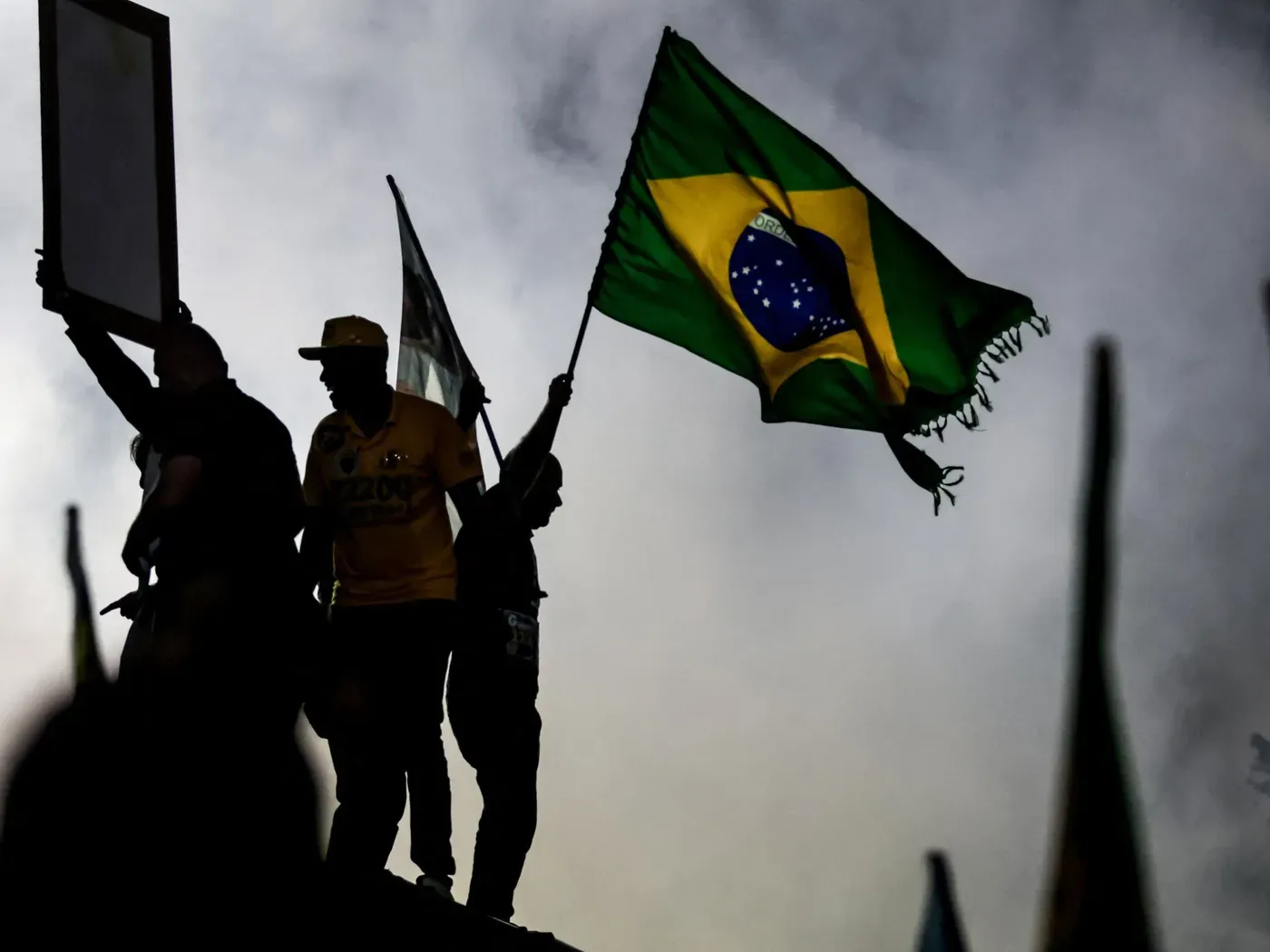
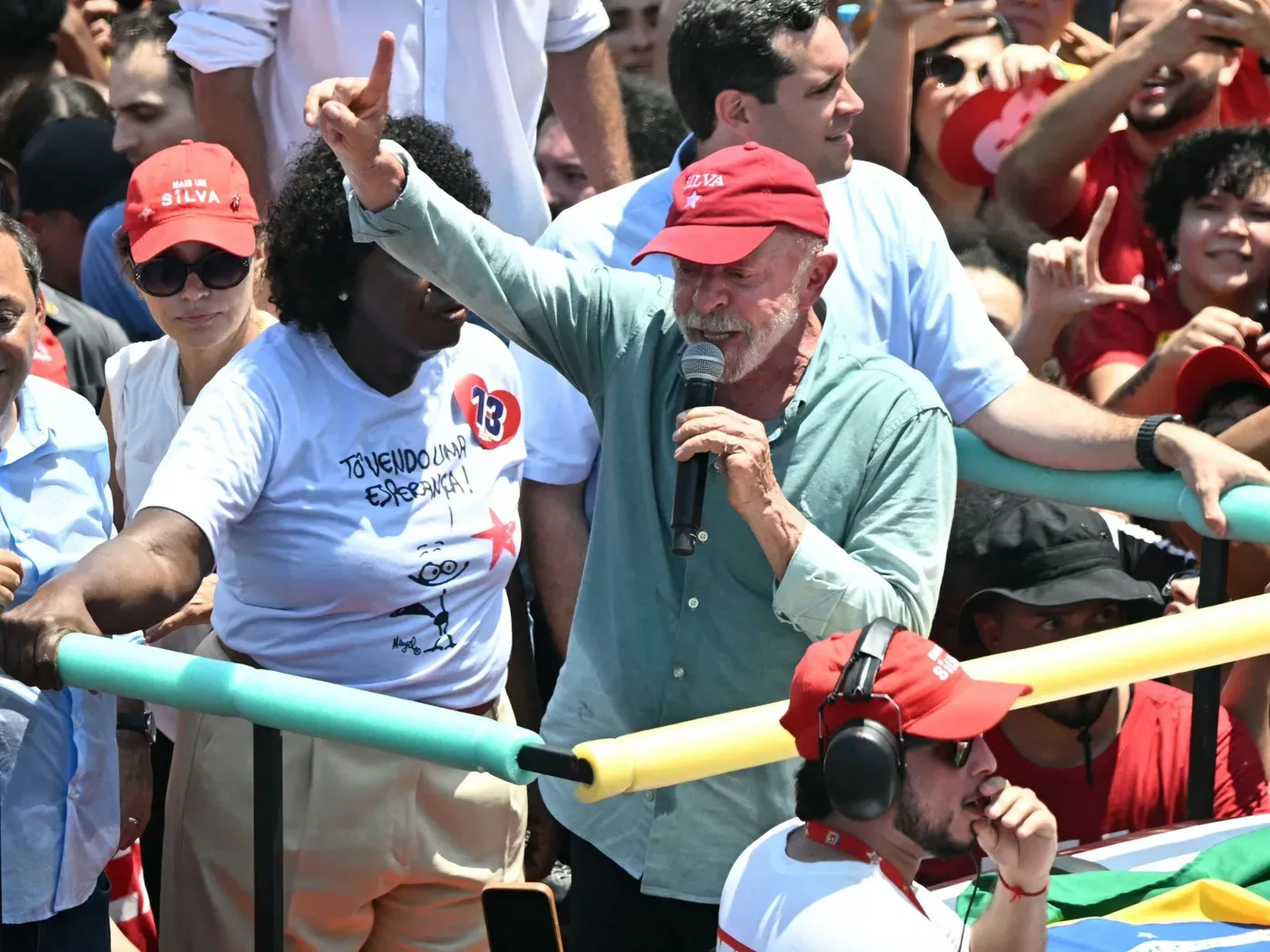
A run-off election between Flávio Bolsonaro and President Lula da Silva is set to take place on 25 October after the first round of voting in Brazil's presidential election.
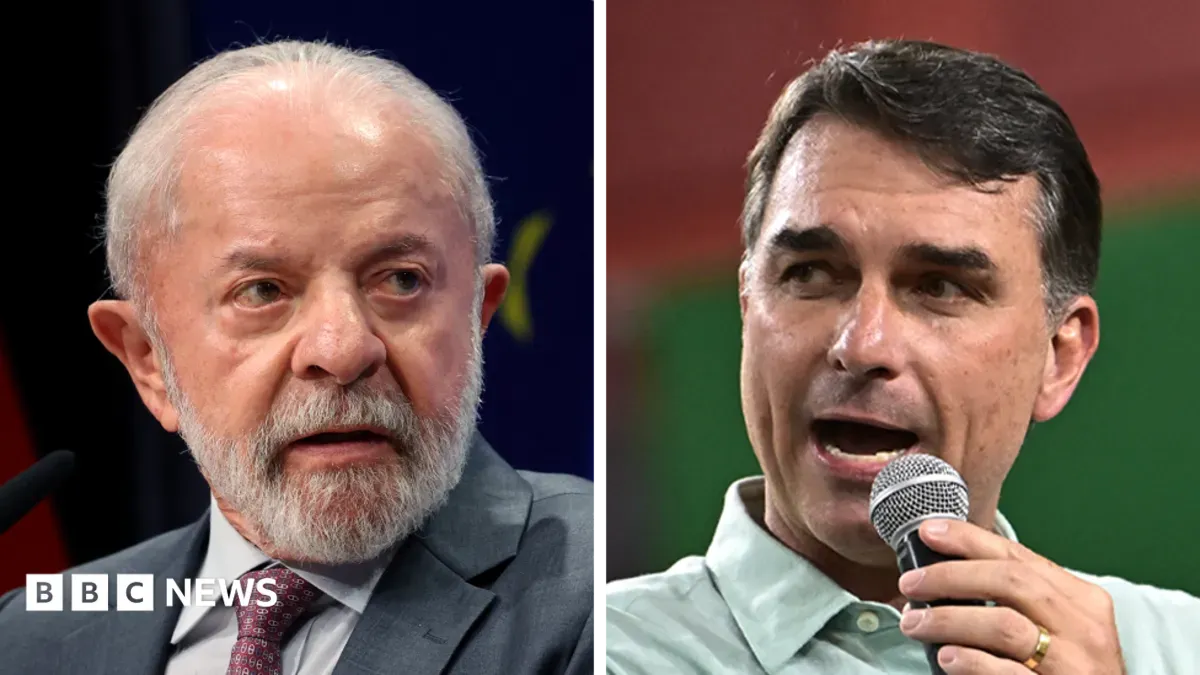
Brazil's presidential election has entered a decisive phase after a surprise outcome in the first round of voting. Right-wing candidate Flávio Bolsonaro emerged victorious but fell short of securing an outright majority to win the presidency.
A run-off between Bolsonaro and incumbent left-wing President Lula da Silva is now set for 25 October, marking the next critical stage in the election process. The two candidates will face each other after a closely contested vote that was marked by a narrow margin.
Flávio Bolsonaro's victory has significant implications given his family ties to former right-wing president Jair Bolsonaro, who is currently serving a lengthy prison sentence for his role in a failed coup attempt following the 2022 election. The outcome of this year's presidential election will be closely watched across Latin America and beyond.
Bolsonaro secured almost half the vote share with 47.03%, while Lula trailed behind with 45.16% of the total, according to preliminary results that indicate a very close contest between the two candidates in the first round.
The Brazilian presidential election has reached its next stage after the first round of voting, with Flávio Bolsonaro emerging as the top contender to face off against his opponent in a run-off election.
Bolsonaro's campaign focused on themes such as sovereignty, crime, and economic stability, which resonated with voters from various backgrounds. His message has been particularly appealing to those living in Brazil's wealthier regions and among evangelical Christians.
The Bolsonaro family's presence in the election is notable, given that Jair Bolsonaro was barred from running for re-election due to his prison sentence. However, his eldest son Flávio stepped in to take his place and has been endorsed by his father's supporters.
Flávio Bolsonaro has made a promise to grant amnesty to those responsible for the vandalism of government buildings that took place on January 8, 2023, which was seen as an attempt to undermine the democratic process. This move is likely to be a key factor in his campaign going forward, particularly among those who feel disenfranchised by the current administration.
As the election heads towards its next phase, Bolsonaro expressed confidence in securing a run-off victory within three weeks' time, citing the strong support he received from voters in the first round. His words are likely to be closely watched as the campaign continues to unfold and the stakes grow higher.
The first round of Brazil's presidential election has come to a close, leaving many wondering what the future holds for the country. President Luiz Inácio Lula da Silva expressed his happiness at the prospect of a second-round showdown with right-wing candidate Flávio Bolsonaro.
Despite initially expecting to win in the first round, Lula acknowledged that the outcome was unexpected and vowed not to concede yet. He framed the upcoming vote as an opportunity for Brazil to choose a modern government, implying that Bolsonaro's campaign is out of touch with the country's needs.
The Brazilian supreme electoral court has concluded its investigation into allegations of international interference in the election, finding no evidence to support such claims. This finding comes as no surprise given President Lula's repeated accusations against the US and other foreign powers, which have been consistently denied by Washington.
The corruption scandal that marred Brazil's election campaign has left a trail of controversy for both right-wing candidate Flávio Bolsonaro and his rival Lula. At the center of this maelstrom is Daniel Vorcaro, a jailed banker who orchestrated one of Brazil's largest financial frauds, involving senior figures across the political spectrum.
Flávio Bolsonaro's own involvement in the scandal has raised eyebrows after he acknowledged asking Vorcaro to bankroll a biopic about his father. This admission came after voice recordings emerged that appeared to show him seeking 134 million reais from Vorcaro for the film project.
The scandal also had indirect implications for Lula, who was linked to the Supreme Court judge Alexandre de Moraes through police suggestions that Vorcaro had reached out to him for help avoiding arrest. However, Moraes has denied any wrongdoing and maintained his independence as a judge.
Crime and insecurity have been top concerns for Brazilian voters, with street crime such as phone thefts on the rise despite a fall in the overall homicide rate. Both Bolsonaro and Lula have pledged to tackle these issues, but their approaches differ significantly - Bolsonaro vowing to designate gangs as terrorists and build maximum-security prisons, while Lula has focused on reforming financial networks and improving investigations.
Lula's criticism of the US designation of Brazilian gangs as terrorists has been met with skepticism by some, who see it as an attempt to deflect attention from his own party's connections to organized crime.
The economic struggles facing Brazil have been a key issue in this year's election campaign, with many citizens burdened by high levels of personal debt and slowing growth rates.
Lula has taken pride in his social welfare legacy, which includes programs like Bolsa Família that provide financial support to families who keep their children in school and ensure they receive essential healthcare services. This initiative has been credited with lifting millions of Brazilians out of poverty and improving living standards nationwide. The program's success has also led to the establishment of more universities.
Lula's administration has also made significant strides in environmental protection, including a reduction in deforestation rates in the Amazon rainforest. In contrast, his predecessor Jair Bolsonaro's presidency saw a sharp increase in deforestation. This shift is likely to be a contentious issue for voters who prioritize environmental concerns.
Flávio Bolsonaro has proposed a range of economic reforms aimed at addressing Brazil's debt crisis, including implementing a public debt ceiling and reducing government spending. He also plans to revise the country's social welfare programs and boost its critical minerals sector.
Facts based on reporting originally published by BBC News World.
You may republish this story, in full or in part, if you credit Noti Group and link to it (licence CC BY 4.0). Photos are not included.