








UK Car Industry Faces Critical Decision Over EU Trade Measures
The UK car industry is facing a critical decision that will determine its future success as manufacturers weigh up the pros and cons of trading with China versus Europe.
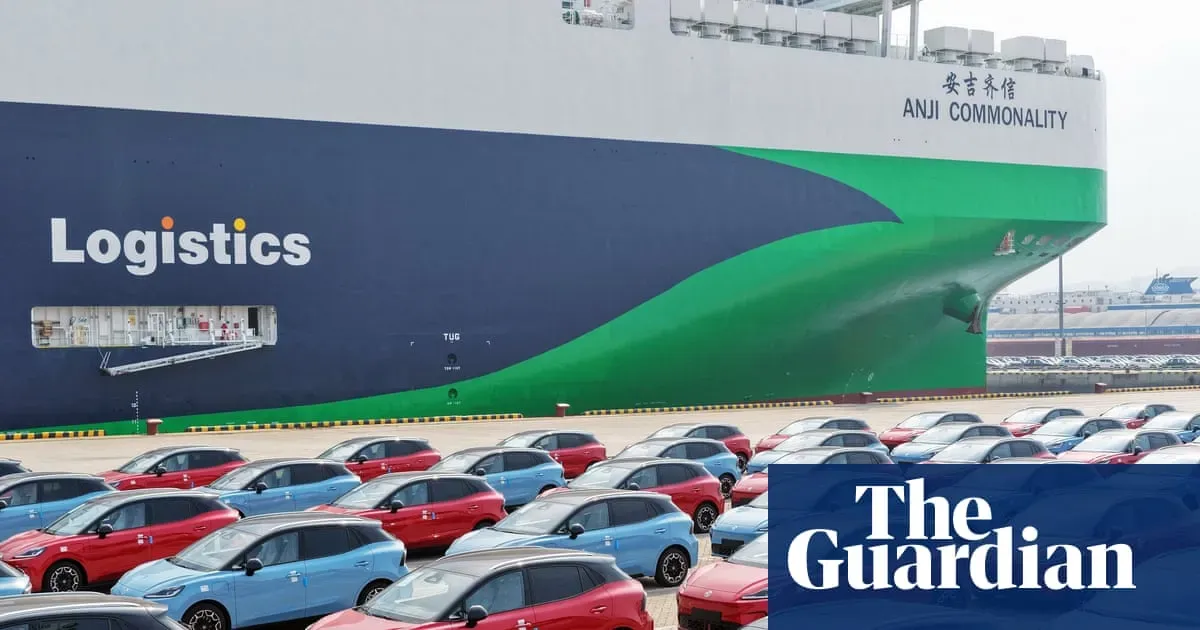
The UK car industry is facing a critical decision that will have far-reaching implications for its future success. Manufacturers are struggling to balance the benefits of two major markets: China and Europe. With trade measures looming that could restrict exports to the EU, British companies must weigh up the pros and cons of each market.
EU officials have warned the UK that it needs to put import taxes on Chinese vehicles or face protectionist barriers on its own exports to the bloc. This would hit British carmakers hard, as they rely heavily on sales in Europe. The UK is currently an outlier among major economies by not imposing tariffs on Chinese cars, which are often cheaper than their European counterparts.
The threat of EU-imposed barriers has sparked concerns that the UK's largest market will become inaccessible to its car industry. This would be a devastating blow to manufacturers who have already invested heavily in Europe. Ministers have so far resisted calls for tariffs, citing fears that they would lead to reciprocal measures from China and cost British companies sales.
British drivers are also set to bear the brunt of any tariff increase, as prices for Chinese cars would rise significantly. This could deter consumers from buying these models, which have proven popular in recent years. The situation is further complicated by a planned investment by Chery, a Chinese carmaker, at Nissan's Sunderland plant, which could be put at risk if tariffs are introduced.
The UK car industry is facing a crucial decision that will determine its future in the European market. With Chinese investment on the horizon, carmakers are weighing up the benefits of partnering with Beijing against the need to maintain access to Europe.
Smaller manufacturers are particularly vulnerable to changes in trade policies and are calling for clarity from the government on which direction it intends to take. This is because being excluded from either market risks UK suppliers losing out on European opportunities. In the long term, this could have significant implications for their ability to remain competitive.
The rise of Chinese brands in the UK market has been rapid and significant. Brands such as BYD, Omoda, and Jaecoo more than tripled their share of new car sales in the first eight months of 2026, reaching a combined total of 12% of all registrations. This surge in popularity is being driven by demand for affordable vehicles.
The overall UK market is also showing signs of growth, with new car registrations rising by 12% in the year to September. According to industry figures, this boom is being powered by a combination of demand for electric vehicles and Chinese brands, which are among the top sellers.
The UK car industry's reliance on European markets has been highlighted by a recent surge in demand for electric and hybrid vehicles.
Industry figures indicate that Chinese brands have become increasingly popular among British consumers, with some models selling well beyond initial expectations.
This shift towards Asian manufacturers is causing tension within the EU, where concerns are growing about the impact of cheap imported cars on local industries.
The European Commission's rules on "made in Europe" goods are being cited as a key factor in this trend, with restrictions on subsidies and public procurement contracts affecting UK car production.
Meanwhile, calls are emerging for fresh trade barriers to be imposed on hybrid electric vehicles, including quotas or price floors, which could further complicate the situation.
The UK car industry is facing a tough decision between tapping into the lucrative Chinese market and maintaining its presence in the EU. The imposition of EU tariffs on electric vehicles (EVs) has led to a surge in imports of plug-in and battery hybrid cars from China.
Industry insiders believe that tariffs could be beneficial for UK manufacturers, who are struggling to maintain their market share in Britain due to competition from Chinese firms. Former Vauxhall chair Tim Tozer argues that tariffs are crucial to preventing the car sector from declining further.
Tozer's comments echo concerns about the industry's future, with some warning that it is at a critical point and needs protection to survive.
Facts based on reporting originally published by The Guardian Business.
You may republish this story, in full or in part, if you credit Noti Group and link to it (licence CC BY 4.0). Photos are not included.