






Small AI Models for Developing Countries Gain World Bank Support
The World Bank is advocating for developing countries to utilize small AI models that operate on low-connectivity mobile phones to tap into artificial intelligence's full potential.
The World Bank is advocating for developing countries to develop and utilize "small AI" models, which are designed to operate on low-connectivity mobile phones, in order to tap into the full potential of artificial intelligence.
According to Paschal Donohoe, the bank's chief knowledge officer, conventional AI technology has been largely geared towards consumer products in Silicon Valley. However, he believes that by adapting AI to local needs and requirements, it can significantly accelerate economic development in emerging economies.
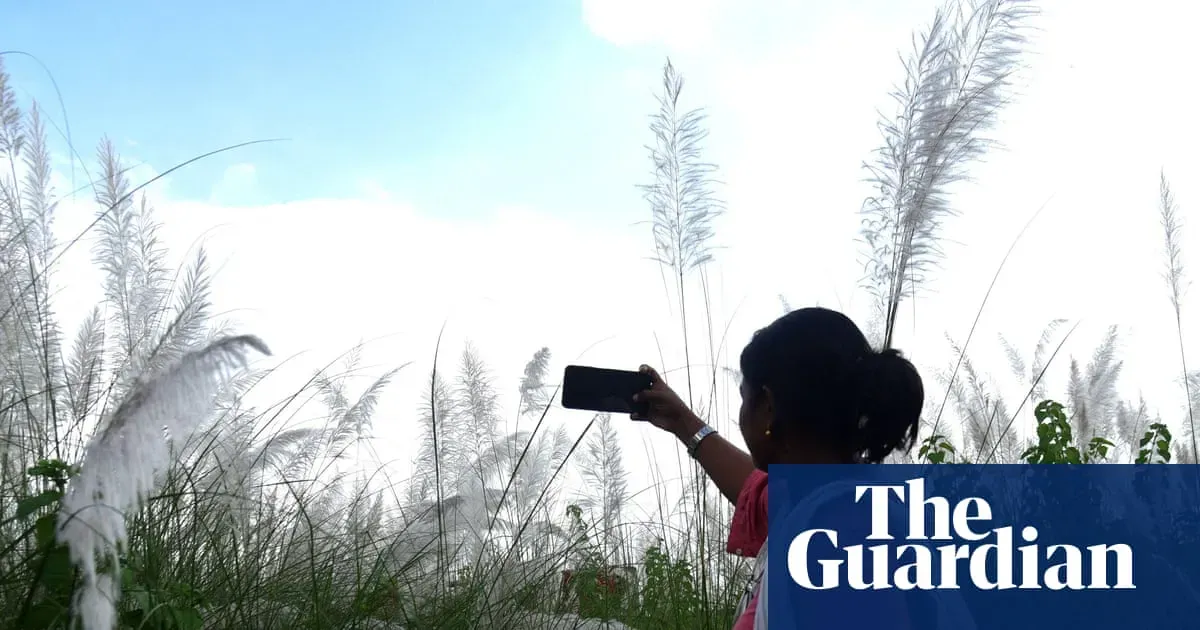
Small AI models use specialized training data sets tailored for specific purposes, allowing them to run efficiently on devices with limited internet connectivity. This approach enables the technology to be deployed in areas where high-speed internet is scarce or unavailable.
Donohoe cites the example of India's agricultural sector, where farmers participating in the World Bank's AgriConnect program require access to soil analysis information in their local language. He notes that there are not enough scientists and experts available to provide this service for every small farm in the country, making small AI a crucial tool.
The World Bank is urging developing countries to adopt this approach and harness the potential of small AI to drive economic development. Donohoe emphasizes that by leveraging this technology, emerging economies can achieve progress that might have taken centuries to materialize, but could now happen within just a few decades.
The World Bank is exploring ways to harness artificial intelligence (AI) and bring its benefits to developing countries through collaboration between governments and the private sector.
At the ongoing annual meetings of the World Bank and the International Monetary Fund in Bangkok, Thailand, experts are discussing the impact of AI on jobs and economic growth.
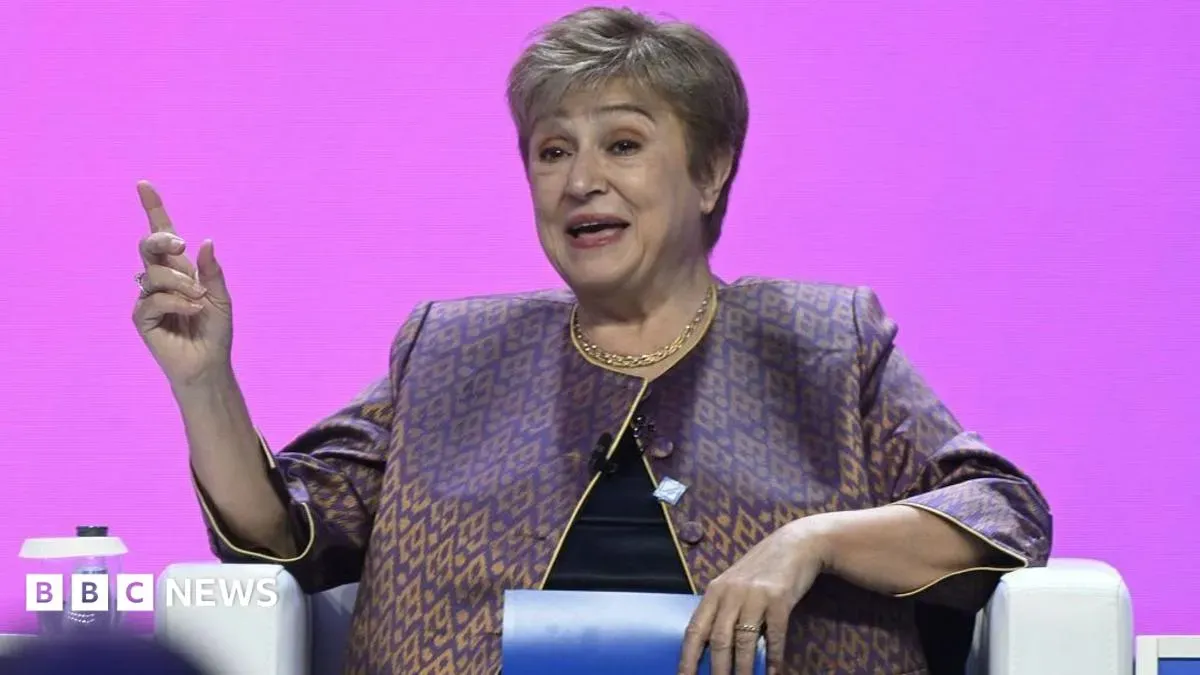
Kristalina Georgieva, managing director of the IMF, emphasized the importance of creating an environment conducive to AI adoption. This includes providing access to essential infrastructure such as electricity and digital connectivity.
For AI to succeed, governments must ensure that citizens have the necessary skills and knowledge to adopt new technologies. Additionally, measures should be taken to protect against potential risks associated with AI, allowing for widespread adoption without compromising security.
According to Georgieva, if basic conditions are met, AI can bring benefits to people from all walks of life, much like mobile phones have done in recent years.
The World Bank's efforts are focused on attracting private-sector funding into emerging economies, a key priority under its current president, Ajay Banga.
This initiative has already shown significant results, with the bank mobilizing $120bn in private capital over the past year through various financial instruments such as guarantees. This achievement is particularly noteworthy given that many countries have been reducing their aid budgets during this time.
The World Bank aims to draw attention to the connection between private capital mobilization and economic development, highlighting its potential to drive job creation and growth in emerging economies.
Facts based on reporting originally published by The Guardian Business.
You may republish this story, in full or in part, if you credit Noti Group and link to it (licence CC BY 4.0). Photos are not included.