






Israel's President Tasks Opposition Leader with Forming New Coalition Government
Gadi Eisenkot has been tasked with forming a new coalition government after no party secured a majority in the Knesset following last week's election.
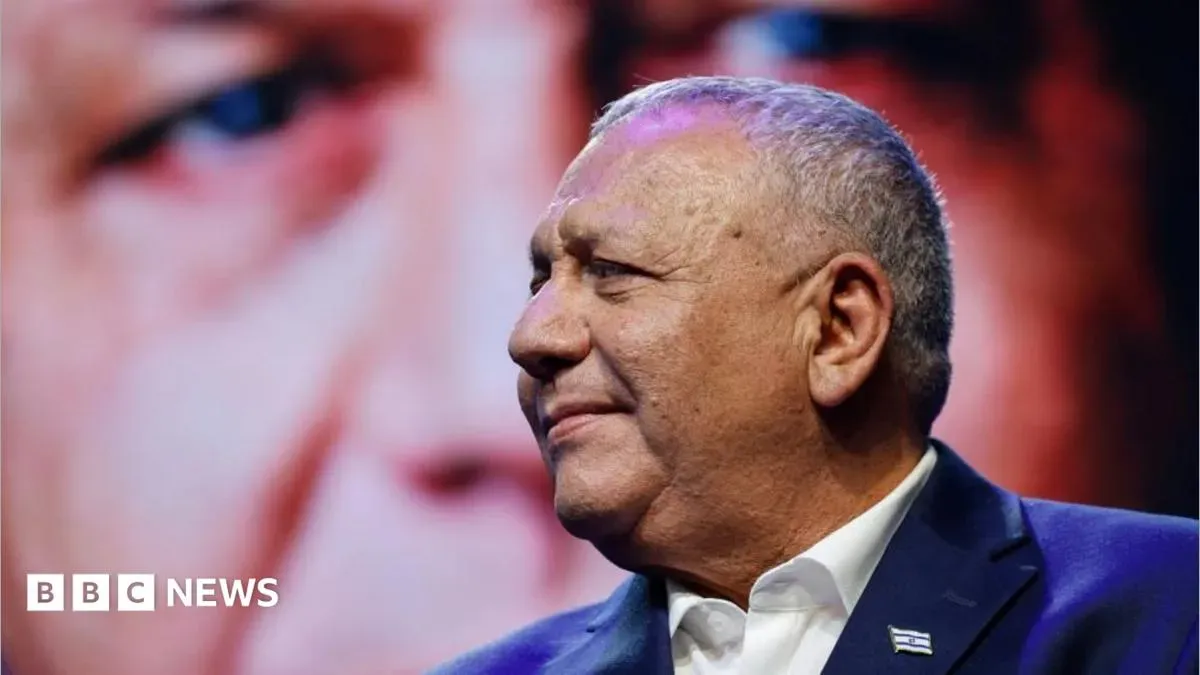
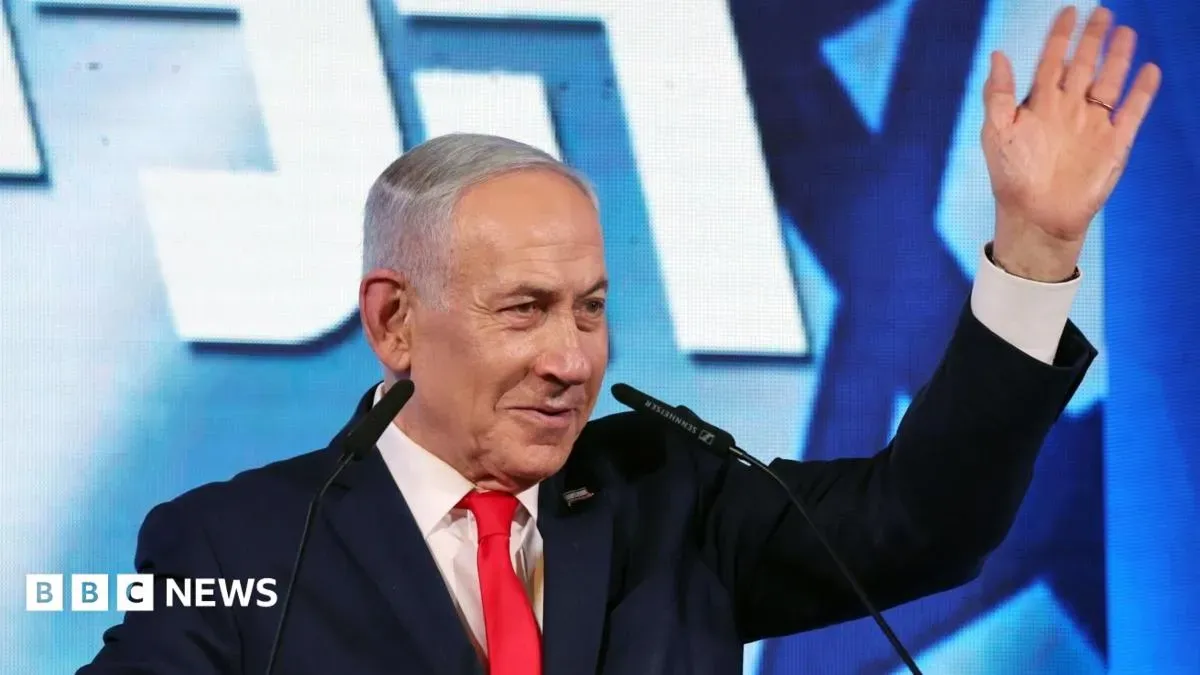
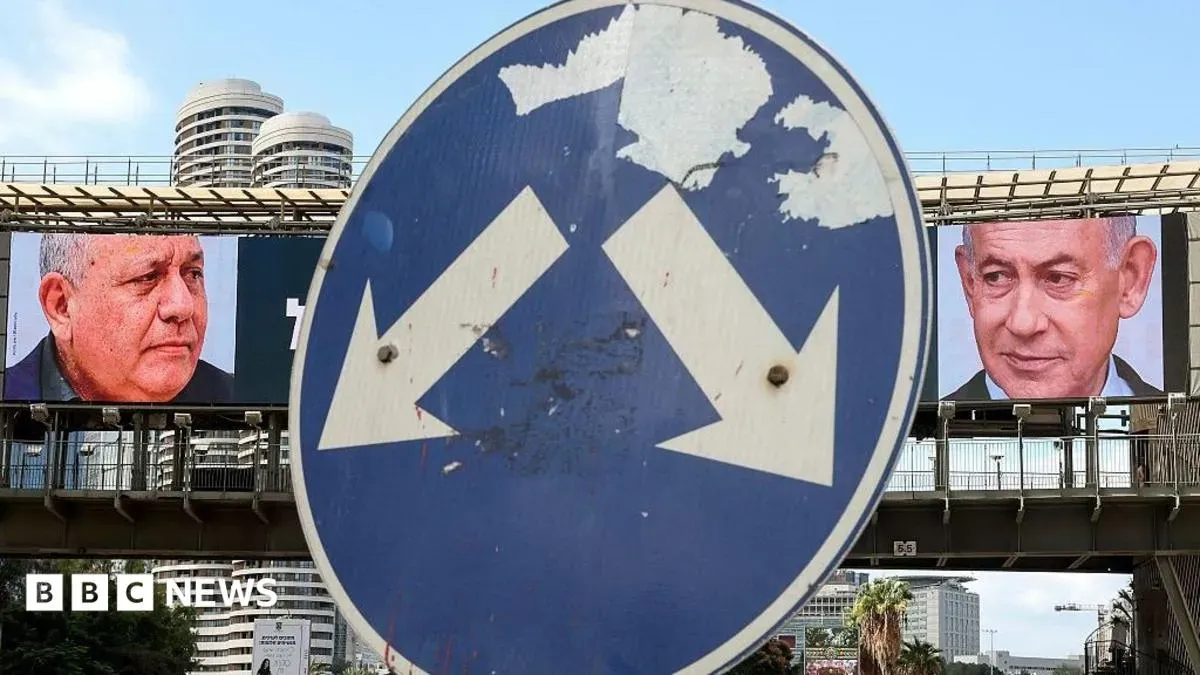
Israel's President Isaac Herzog has announced that he will task opposition leader Gadi Eisenkot with forming a new coalition government. This move comes after neither Eisenkot's bloc nor Prime Minister Benjamin Netanyahu's party secured a majority in the Knesset following last week's election.
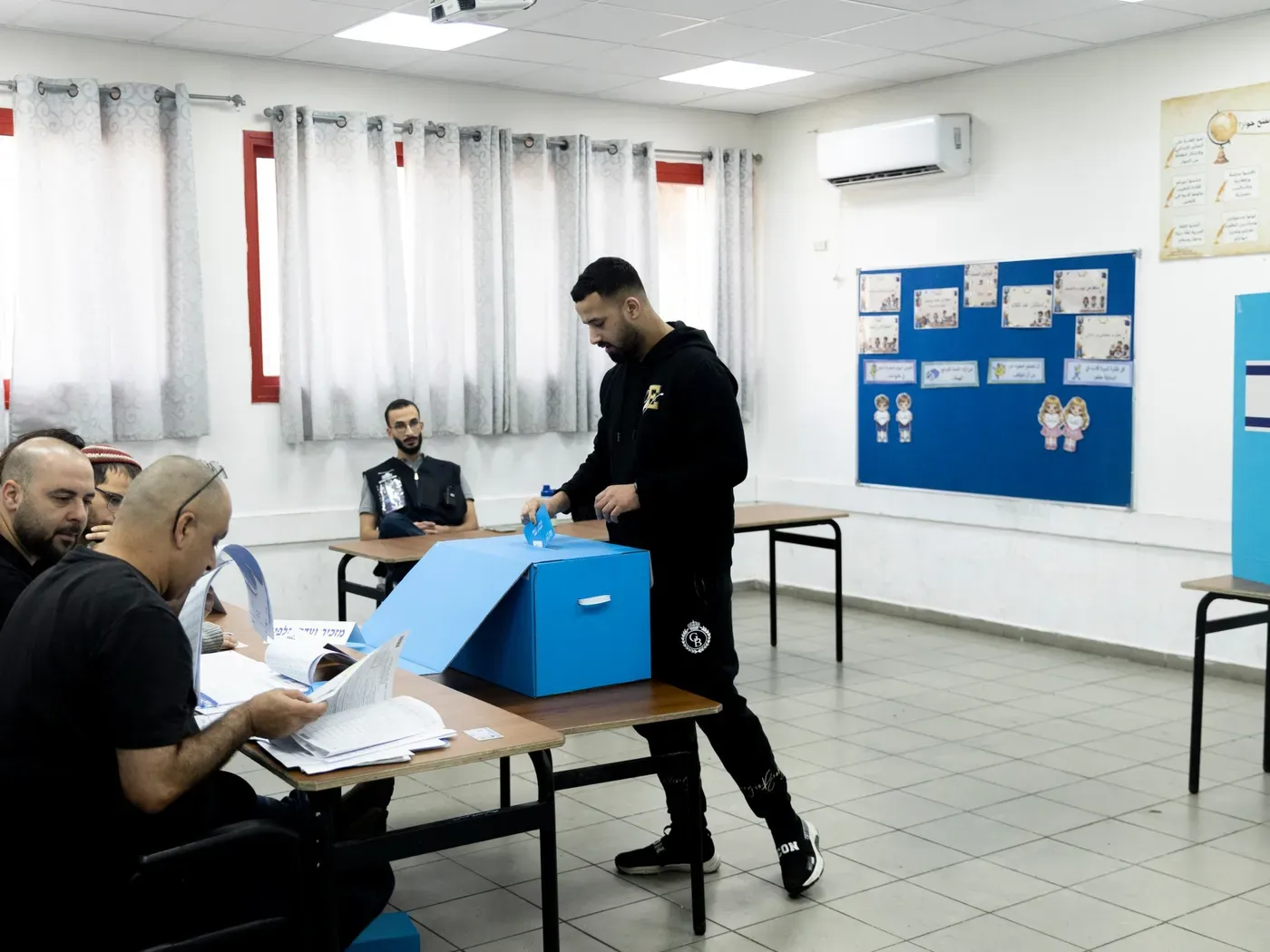
The outcome of the election saw Netanyahu's right-wing Likud party and its far-right and ultra-Orthodox Jewish allies win 53 seats, while Eisenkot's centrist Yashar party and three other Jewish opposition parties in his bloc won 48. Notably, two Arab-led alliances, the United Arab List and the Joint List, together secured an unprecedented 19 seats.
In a statement on social media platform X, Eisenkot emphasized the need for a national emergency government, stating "Now is the time to form a national emergency government. I will do everything to ensure we are worthy."
Eisenkot now has 28 days to attempt to form a new administration, with the possibility of a 14-day extension if required.
The opposition leader's task is now clear: form a new administration within 28 days, with the possibility of a 14-day extension if needed. This timeframe will determine whether Eisenkot can successfully assemble a coalition government.
Herzog has given Eisenkot the first chance to form a government after consulting all parties during the week. Notably, most Jewish parties have pledged not to work with the opposition leader to form a government, except for one notable exception.
Eisenkot received 67 recommendations for the premiership following consultations with incoming Knesset members, while Netanyahu garnered 46 endorsements. This shows that Eisenkot has significant support from various quarters, but it remains to be seen whether he can translate this into a viable coalition.
The election results had presented three possible scenarios: a national unity government involving both Netanyahu and Eisenkot, a right-wing coalition with Netanyahu at the helm, or an Eisenkot-led administration supported by Arab parties.
As the Israeli opposition leader Gantz faces the daunting task of forming a government, he may need to navigate complex negotiations with various factions to achieve his goal.
A precedent for such a unity government exists in 2020, when Netanyahu and Benny Gantz agreed to share power in a deal that saw leadership rotate between them. This arrangement was put in place after three consecutive deadlocked elections had failed to yield a clear winner.
In the current situation, President Herzog has emphasized the need for compromise, stating that "not every commitment and promise can be fulfilled" due to the current reality. With Israel's politics having been marked by five separate elections between 2019 and 2022, it remains to be seen whether Gantz will succeed in forming a stable government.
A unity government would require significant concessions from various parties, including ultra-Orthodox groups, who may not be easily swayed. Despite these challenges, President Herzog's consultations with party leaders are underway, aiming to break the election deadlock and establish a functioning administration.
Facts based on reporting originally published by BBC News World.
You may republish this story, in full or in part, if you credit Noti Group and link to it (licence CC BY 4.0). Photos are not included.