




Benjamin Netanyahu's Coalition Faces Uncertain Future in Israeli Election
The outcome of Israel's general election remains uncertain with neither side poised to secure a majority in parliament and fresh elections being considered.
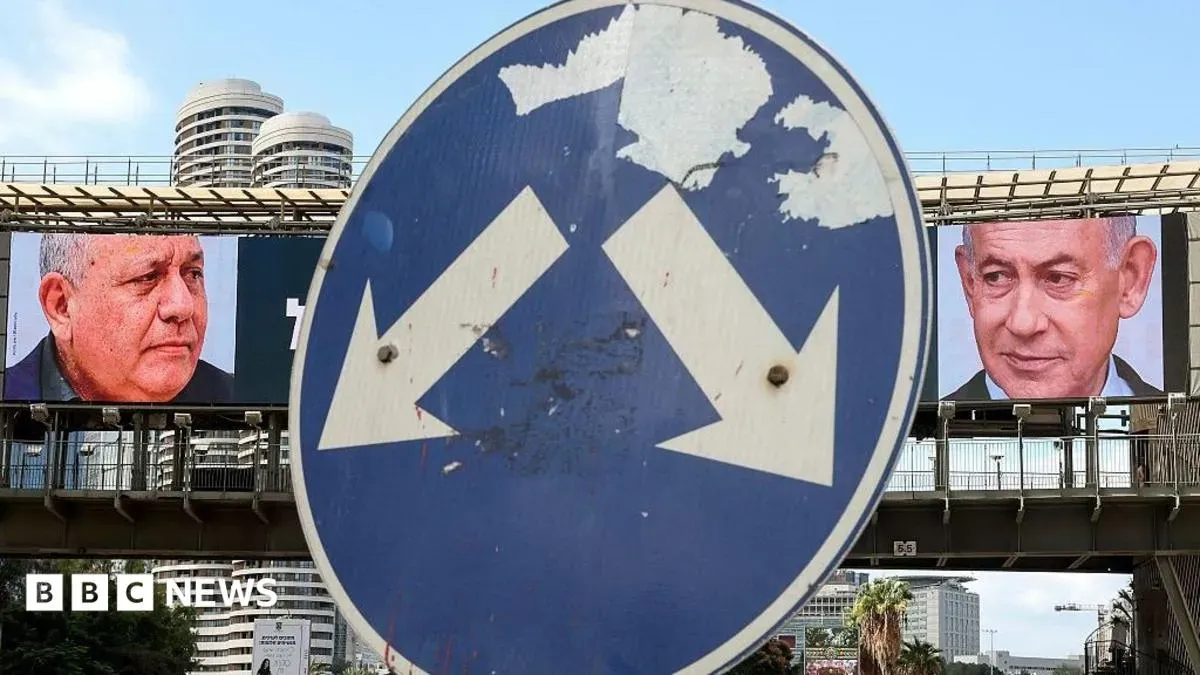
Israel's general election appears to be heading towards a stalemate, with neither Prime Minister Benjamin Netanyahu's coalition nor its key challenger's bloc poised to secure a majority in parliament.
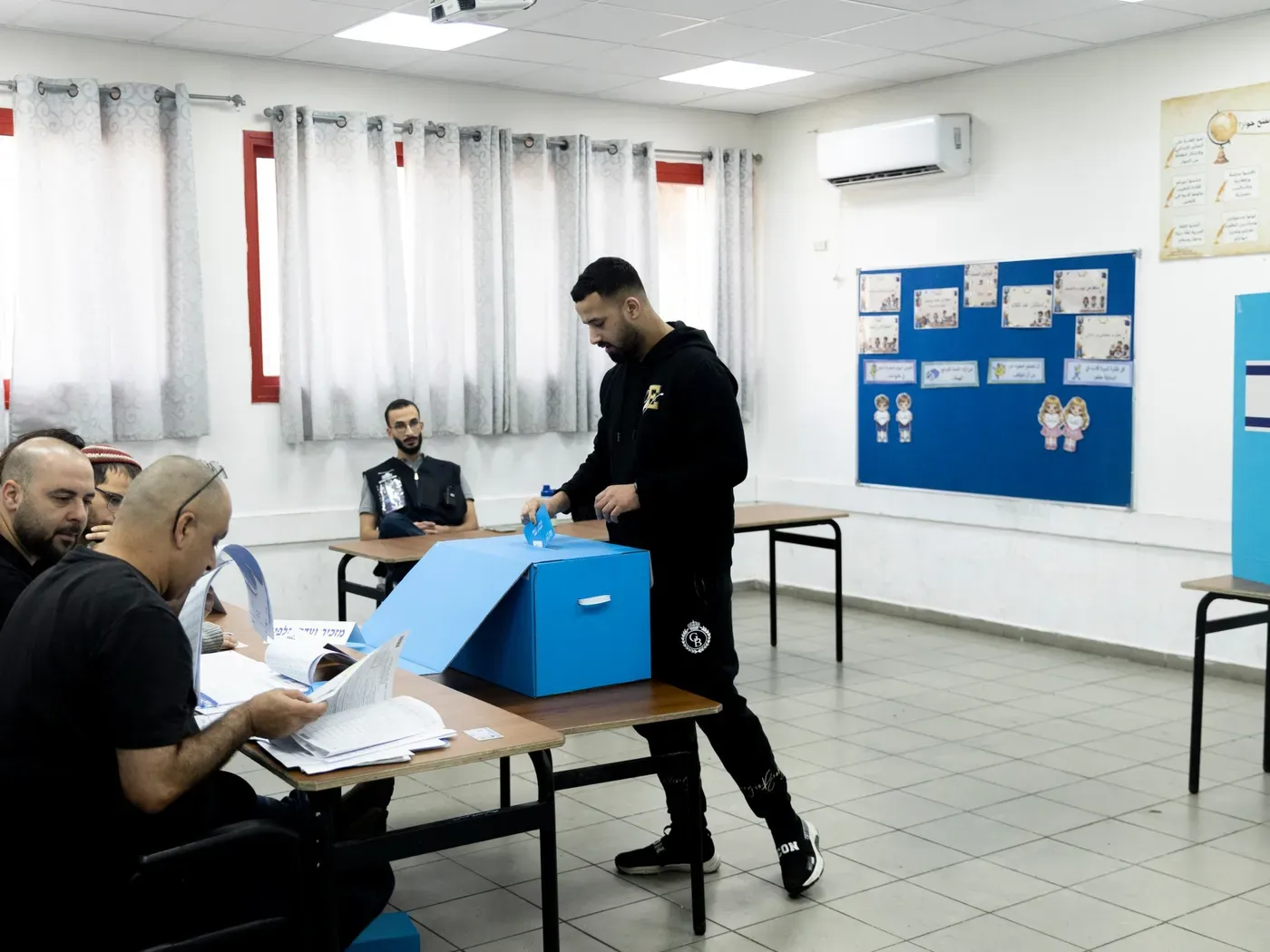
With nearly 85% of votes counted from Tuesday's poll, it seems unlikely that either side will have enough seats to form a government without seeking an alliance with other parties. This has led to speculation about the possible outcomes, including the possibility of fresh elections being called.
Netanyahu may try to break the impasse by forming a national unity government with his rival Gadi Eisenkot's party, but this would require Eisenkot to abandon one of his key campaign promises - ousting Netanyahu from power. Eisenkot has framed himself as the only viable alternative to Netanyahu and built his entire campaign around removing him from office.
Eisenkot's party, Yashar, had been gaining ground in the polls until a revision of exit poll results saw Netanyahu take the lead. In a speech at his campaign headquarters last night, Eisenkot called on Netanyahu to step down from politics entirely, citing concerns about the prime minister's "culture of lies" and divisive rhetoric.
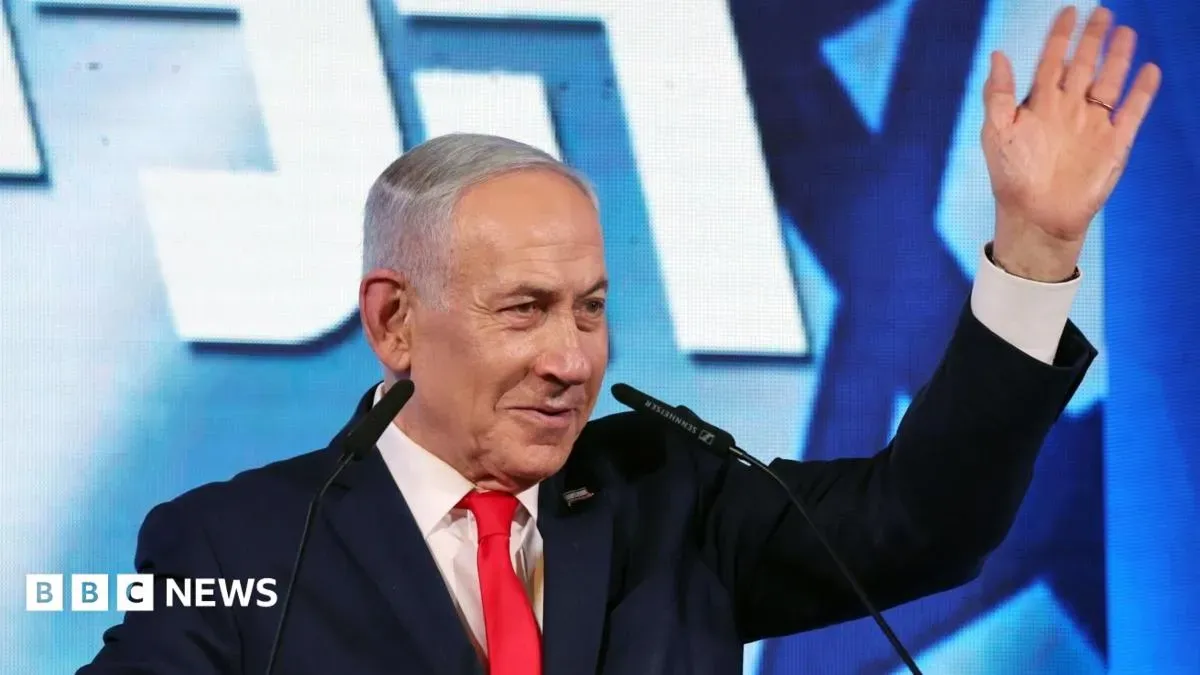
Netanyahu has so far shown little indication that he is willing to form a unity government with Eisenkot, despite the need for an alliance to secure a majority in parliament. Last night at Likud headquarters, Netanyahu expressed gratitude to his coalition partners and called for a strong right-wing government - comments that suggest he intends to maintain his existing alliances rather than seek out new ones.
A renewed conflict with Iran could be a game-changer in Israeli politics, potentially forcing party leaders to put aside their differences and form a unity government.
Netanyahu's push for fresh strikes on Iran has been reported by both Israeli and US media, with some suggesting he sought approval from Donald Trump for US involvement. Critics would likely frame this as an attempt by Netanyahu to save his own skin through another regional conflict. This move could have far-reaching implications for the country's politics.
If a unity government were formed, it would be a significant shift in Israeli politics. Historically, Arab parties have been excluded from coalitions, with only one independent party joining a coalition in 2021 - a brief and unsuccessful tenure. The opposition is now considering an unlikely alliance with Arab parties to secure a majority.
The Arab parties emerged as surprise winners on election night, defying expectations and potentially gaining a record 19 seats. This was largely due to high voter turnout among Israel's Arab population, who make up around one-fifth of the country and often identify as Palestinian citizens of Israel.
The high voter turnout among Israel's Arab population has led to a significant shift in the country's election landscape. This increase in participation was largely driven by a desire to oust the most right-wing governing coalition in Israel's history.
Several Arab-led parties have made significant gains in the election, with The United Arab list projected to win around 7 seats and The Joint List on track to secure 12 seats. These parties have indicated that they would join or support an opposition government if given the opportunity.
The scenario of a Jewish-Arab coalition has gained some traction, but it remains fragile and faces significant challenges, particularly when it comes to issues like Gaza and the occupied West Bank. Yair Golan, a leader from The Democrats, is one of the few Jewish politicians advocating for this approach.
Naftali Bennett and Avigdor Lieberman are two right-wing leaders who could potentially break away from their current blocs and join Netanyahu's coalition. Both men share hardline views on security with Netanyahu and have expressed willingness to form a government with him, despite being part of Eisenkot's bloc.
The opposition's efforts to unseat Netanyahu have created a complex web of alliances and rivalries that make it difficult for any single grouping to form a majority government.
Bennett and Lieberman's parties are now seen as potential replacements for the ultra-Orthodox parties currently aligned with Netanyahu, but electoral math suggests this alternative might not have sufficient seats to secure a majority.
This scenario raises questions about whether Bennett and Lieberman would be willing to join forces with Netanyahu despite their past conflicts over issues like military conscription for the ultra-Orthodox community.
The current stalemate has led some analysts to predict that new elections may become the default outcome, allowing Netanyahu to remain as caretaker prime minister until a fresh poll can take place.
As negotiations between Netanyahu's Likud party and its rivals continue to stall, Israel faces a precarious situation where new elections may become inevitable. The country has already held five separate polls since 2019, with each attempt at forming a government ending in stalemate.
With the current deadlock showing no signs of resolution, analysts warn that fresh elections could be the only way forward, allowing Netanyahu to remain as caretaker prime minister until a new poll can take place and a viable coalition is formed.
Facts based on reporting originally published by BBC News World.
You may republish this story, in full or in part, if you credit Noti Group and link to it (licence CC BY 4.0). Photos are not included.