

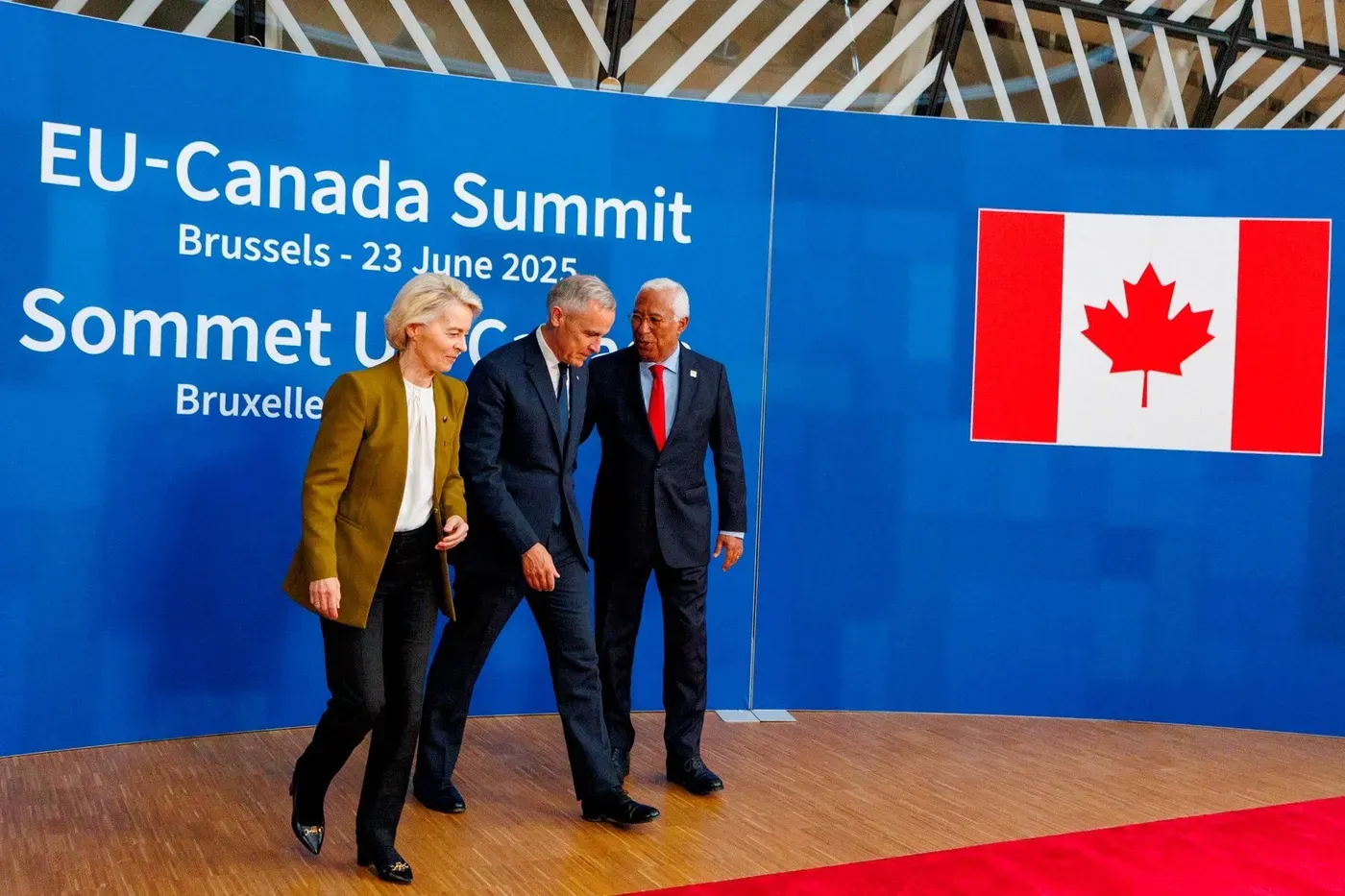





Bank of Canada Raises Key Interest Rate for First Time in Over Three Years
The Bank of Canada has raised its key interest rate for the first time in over three years as part of its efforts to combat inflation.

The Bank of Canada has taken a significant step in its efforts to combat inflation by raising its key interest rate for the first time in over three years. The decision was widely anticipated, but it marks a crucial move in the bank's attempt to mitigate the impact of soaring energy costs on the broader economy.
As part of this effort, the bank has also revised its inflation forecast for 2027 upwards, predicting a 3.1 percent rate, up from the 2 percent previously expected. This increase is largely due to rising energy prices, which have driven annual inflation to 3.2 percent in September, above the bank's target range of 1 to 3 percent.
According to Bank of Canada governor Tiff Macklem, the interest rate hike is necessary to prevent elevated energy costs from becoming a widespread problem. He emphasized that the economy has shown resilience and can withstand this increase, but warned that further policy rate adjustments may be needed in the future.
The bank's decision comes as energy prices continue to drive up inflation, with nearly all of the September annual inflation rate attributed to higher energy costs and related transportation expenses.
The Bank of Canada has increased interest rates for the first time in three years, amid rising concerns about inflation. The decision comes as energy prices continue to drive up costs, accounting for nearly all of the September annual inflation rate.
According to Governor Macklem, inflation is expected to remain high throughout 2027 before returning to the target rate by mid-2028. He stated that risks to inflation have increased and there is less room for monetary accommodation. The bank's decision reflects these concerns about rising costs.
The last time interest rates were raised was in July 2023, indicating a shift in economic conditions over the past year. Senior economist Andrew Grantham from CIBC Capital Markets believes that the policy rate may not need to rise above 2.75 percent.
The Bank of Canada's latest monetary policy report has projected a slowdown in economic growth due to new US tariffs and a weak job market.
According to the report, the economy is expected to slow down from an annualized 3.3 percent growth rate in the second quarter to 2 percent in the third quarter and further to 0.8 percent in the fourth quarter.
Despite this projected slowdown, Bank of Canada Governor Macklem expressed confidence that consumer spending will continue to drive growth as exports pick up and business investment strengthens, leading to a modest recovery by 2027.
The report also upgraded its gross domestic product (GDP) forecast for next year and the following year from 1.8 percent to 2 percent, indicating additional growth that should help absorb unused capacity in the economy.
Facts based on reporting originally published by Al Jazeera.
You may republish this story, in full or in part, if you credit Noti Group and link to it (licence CC BY 4.0). Photos are not included.