





Camerimage Festival Marks 34th Year with Focus on Cinematography and AI
The festival will address pressing topics such as the rise of generative AI, budget constraints, and the decline of theatrical releases.
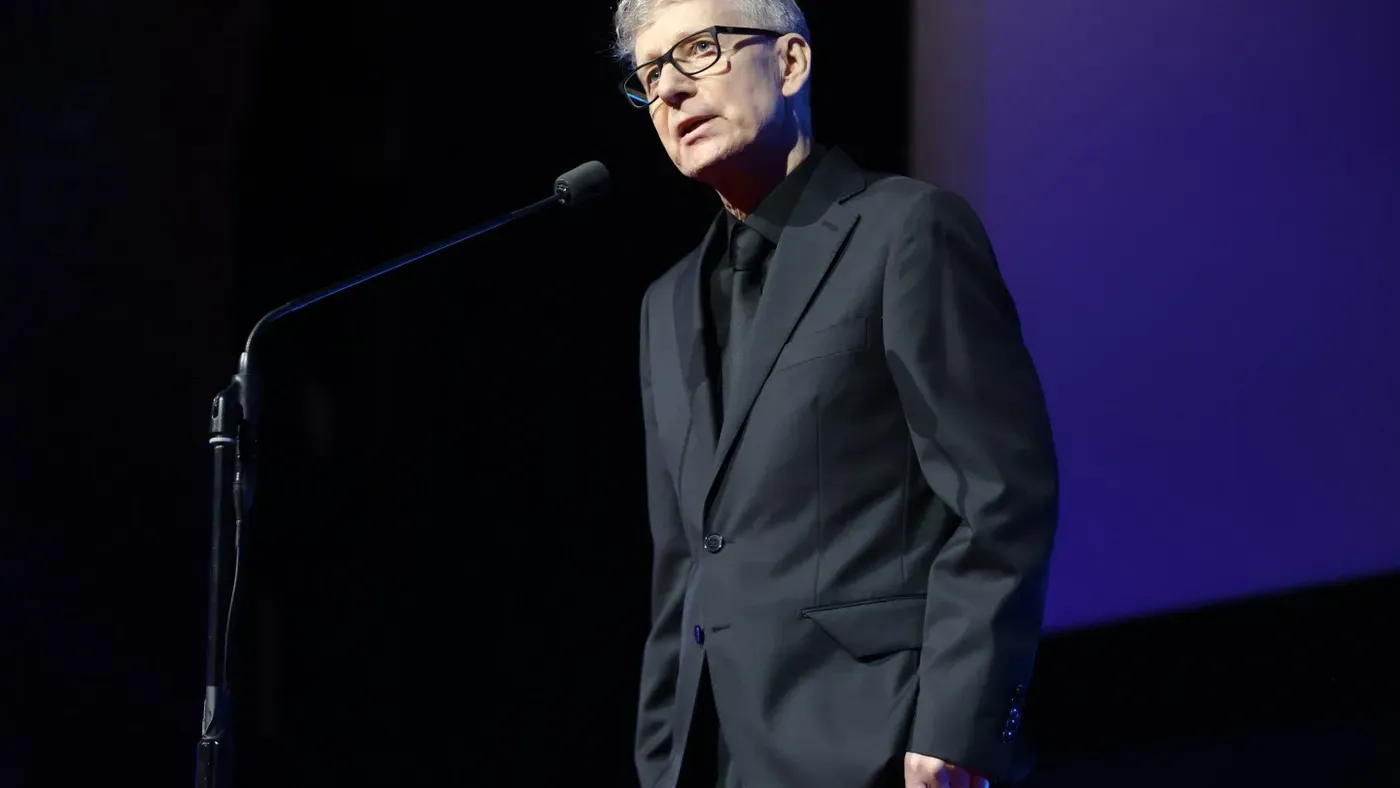
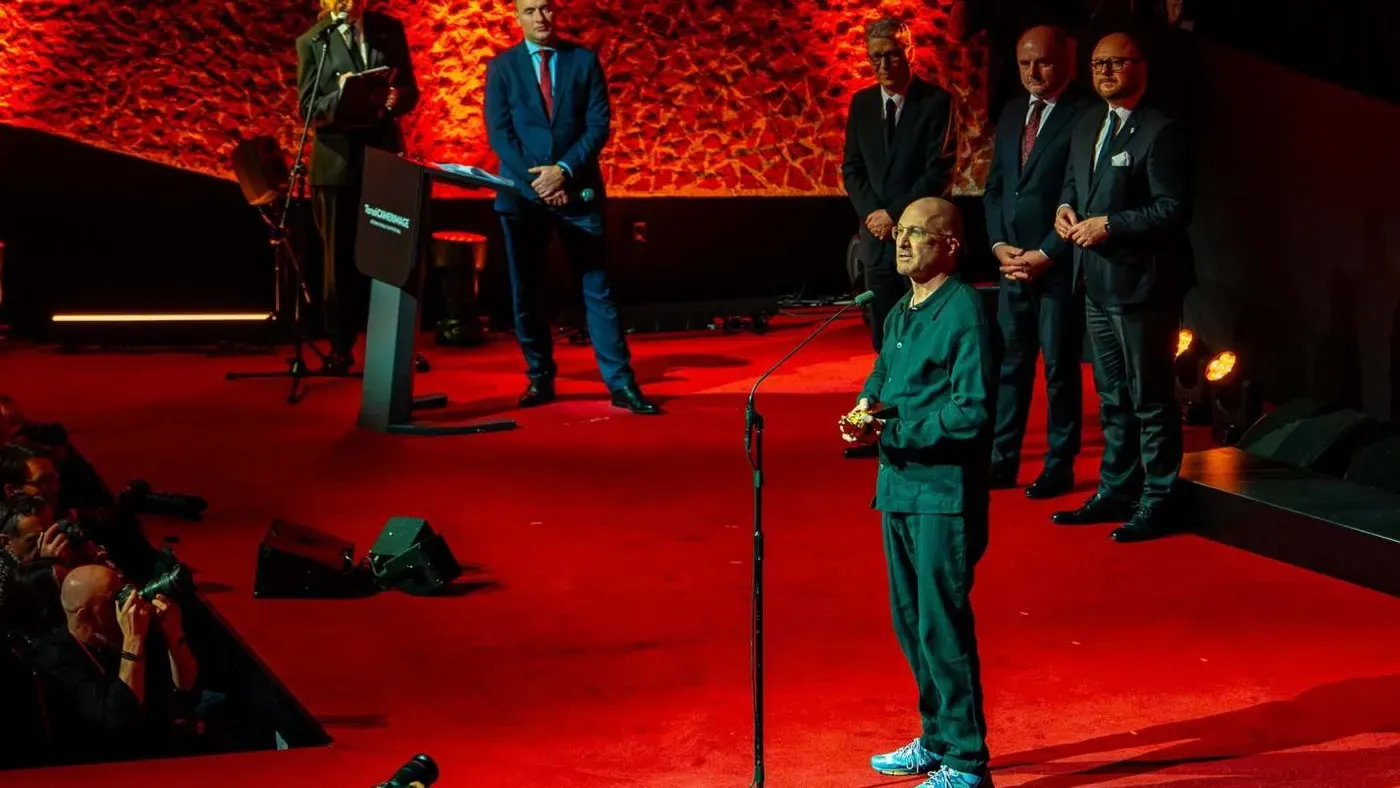
Camerimage, the world's premier festival celebrating cinematography, marks its 34th year in Torun, Poland, from November 7 to 14. Founder Marek Zydowicz is at the helm, tackling a range of contentious issues.
Zydowicz has been championing cinematographers and below-the-line artists since launching Camerimage in 1993. This year's festival will address pressing topics such as the rise of generative AI, budget constraints, and the decline of theatrical releases. The event will also honor Darren Aronofsky with its director award.
Aronofsky is a prominent advocate for AI adoption in filmmaking, which has sparked heated debates within the industry. Camerimage's decision to recognize him reflects the festival's commitment to exploring diverse perspectives on this issue. Generative AI will be a key focus area at the festival, with dedicated workshops and discussions planned.
Joe Walker, editor of acclaimed films like Dune and 12 Years a Slave, is being honored by Camerimage for his contributions to cinematography. He will also chair the Main Competition jury during the festival. Polish cinematographer Janusz Kaminski, whose film Disclosure Day is competing in the main competition, is set to receive THR's Visionary award.
Camerimage founder Marek Zydowicz spoke with a publication ahead of this year's event, emphasizing the festival's openness to various techniques and technologies. However, he clarified that fully AI-generated films will not be accepted at Camerimage.
Zydowicz believes in preserving the human element in filmmaking, insisting that the eye cannot be replaced by technology. He views cinematography as an art form, rather than a technical process, which requires human creativity and intuition.
The Lodz Film School has been instrumental in shaping Poland's rich tradition of producing exceptional cinematographers. Founded after World War II, it built on the legacy of pre-war Polish cinema, which had a profound impact on the country's cultural identity.
Polish filmmakers of the past had to navigate the complexities of communist censorship, where subtle hints in dialogue or images could convey forbidden messages. This led to a unique sensitivity in their work, as they sought creative ways to express themselves within the constraints of the time. Technological limitations and Poland's isolation from Western developments forced them to find innovative solutions.
As a result, Polish filmmakers absorbed various cinematic traditions, both those that were officially sanctioned and those that were smuggled in from abroad. The relationship between directors and cinematographers became crucial in shaping the visual language of their films. This collaboration gave rise to original forms of cinematic imagery.
The influence of this artistic tradition can be seen in the work of Polish cinematographers today. Many notable filmmakers have taught at film schools, including those in Lodz, where students were also exposed to the history of painting. Over time, a distinct artistic heritage emerged, characterized by diversity and creativity.
This legacy is evident in the range of films produced by Polish cinematographers, from Hollywood blockbusters to independent art cinema. Their work has gained international recognition, demonstrating the enduring impact of Poland's cinematic tradition.
The choice of Darren Aronofsky as this year's director honor recipient was deliberate. His use of AI in production is a topic of ongoing debate within the industry, and it's likely that his decision will spark discussion among attendees.
Aronofsky's body of work is characterized by its thought-provoking nature, often challenging viewers to confront uncomfortable aspects of human existence. While his films may be difficult to watch, they frequently prompt a deeper examination of ourselves and others.
The award recognizes Aronofsky's over thirty years of filmmaking, during which he has consistently pushed the boundaries of cinematic storytelling. His artistic achievements are a testament to his innovative spirit and commitment to exploring complex themes through film.
The intensity of Darren Aronofsky's films is undeniable, as seen in his portrayal of addiction in Requiem for a Dream and his exploration of distorted reality in Black Swan. His visual imagination knows no bounds, as evident in The Fountain's ambitious depiction of love, mortality, and spiritual longing.
Aronofsky's ability to balance intimacy and spectacle, tenderness and brutality, is a hallmark of his filmmaking style. He often incorporates religious imagery into stories about deeply personal struggles, encouraging audiences to question their own values and empathize with those whose pain may otherwise go unseen.
The combination of formal boldness and human concern that defines Aronofsky's work is a key reason why Camerimage is honouring him. This unique approach has been a driving force behind his innovative storytelling and cinematic vision.
While Aronofsky's interest in AI is a separate discussion, it reflects his ongoing curiosity about the tools available to filmmakers. However, this does not mean that Camerimage is endorsing or judging how he uses technology; rather, it highlights his willingness to explore unfamiliar territory as an established artist.
Camerimage's policy towards AI-generated work is clear: the organization does not accept productions created entirely by artificial intelligence. The focus remains on the art of cinematographers, who use a range of techniques and technologies to bring stories to life.
While some may see AI as a tool for creating moving images, Camerimage values the human element in filmmaking. This includes hybrid films that balance live actors with AI-generated elements, allowing artists to decide how much technology intervenes in the creative process.
Ultimately, Camerimage respects the diversity of techniques and technologies used in filmmaking, from extensive visual effects to limited resources. However, any use of advanced digital techniques must respect the rights and wishes of those lending their likenesses and voices to a project.
The organization's commitment to valuing cinematographers' creative contributions is unwavering, even as technology continues to evolve and shape the film industry. By embracing innovation while prioritizing artistic integrity, Camerimage remains dedicated to celebrating excellence in cinematic storytelling.
The integration of artificial intelligence in filmmaking continues to be a topic of interest and debate within the industry. At Camerimage, we are aware that AI will eventually play a role in film production, but for now, our focus remains on selecting films for competition based on artistic merit rather than technological innovation.
Camerimage's honoree Joe Walker is an exceptional editor whose work has been a driving force behind some of the most critically acclaimed films of recent years. His collaborations with Denis Villeneuve have pushed the boundaries of editing, demonstrating its ability to shape narrative and emotional impact in a wide range of genres.
Walker's use of time organization in Arrival was particularly noteworthy, allowing audiences to experience the story through a unique temporal framework. Similarly, his work on Dune maintained a delicate balance between visual grandeur and character-driven storytelling.
His collaborations with Steve McQueen have showcased Walker's extraordinary sensitivity to performance, shot duration, and silence. By carefully crafting images that resonate emotionally, Walker has made significant contributions to films such as Hunger, 12 Years a Slave, and Widows.
Walker's editing style is characterized by its ability to evoke emotional responses from audiences while maintaining a deep connection between what they see and feel. This makes him an ideal choice to chair the Main Competition jury at Camerimage, bringing valuable perspective and insight to the competition.
As Joe Walker takes on this new role, festival-goers will have the opportunity to engage with his work in greater depth through post-screening discussions. We are confident that his presence will add a rich layer of discussion and analysis to our events.
Camerimage is also recognizing the significant contributions of Poland's own Janusz Kaminski, who will receive this year's Visionary award.
The Camerimage festival has consistently recognized the artistic contributions of cinematographers, elevating their status from mere technicians to true artists in the filmmaking process.
Poland's Janusz Kaminski is one such visionary, whose work has left an indelible mark on cinematic history with films like Schindler's List and Saving Private Ryan. His mastery of imagery has become a benchmark for the profession, as he seeks to find the perfect visual form to convey the emotional truth of each story.
Camerimage has previously honored Kaminski's exceptional talent, awarding him the Golden Frog for his work on The Diving Bell and the Butterfly. This film stands out not only for its poignant portrayal of a true story but also for its ability to transport viewers into the world of another person, thanks in no small part to Kaminski's cinematography.
Kaminski's collaboration with Steven Spielberg has yielded some remarkable films, but his work transcends any single partnership. His unique approach can be seen in other notable projects, such as The Diving Bell and the Butterfly, where he skillfully captures the essence of a complex story.
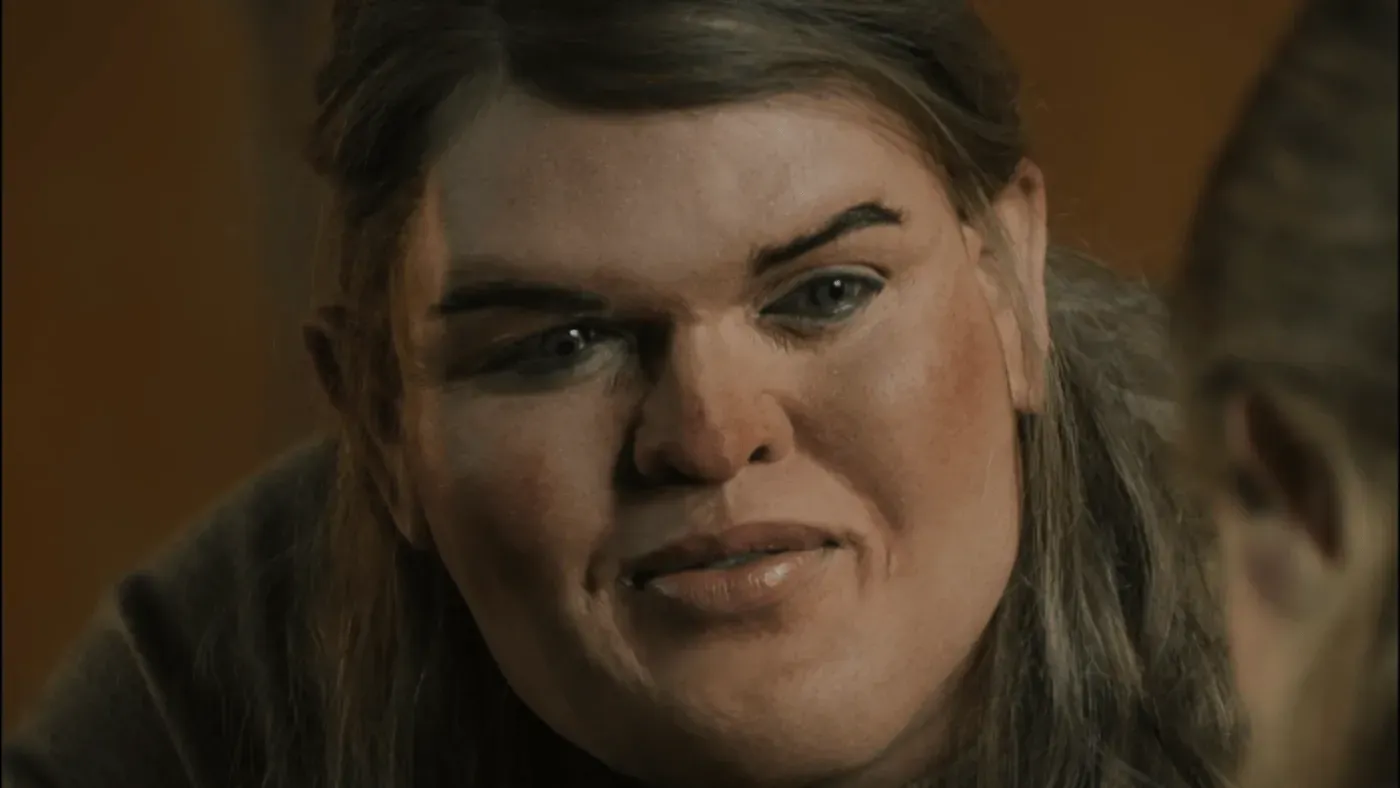
This year, Camerimage included another Kaminski-directed film, Disclosure Day, in its Main Competition lineup. The cinematography in this film is striking, with halation effects that create an unsettling sense of unease, drawing viewers into the narrative.
Kaminski's influence on audiences and young filmmakers alike cannot be overstated. His vision has set a new standard for the profession, inspiring others to push the boundaries of their craft.
Camerimage has long championed the idea that cinematographers are artists in their own right, not simply technical collaborators. However, this perspective is not universally recognized within the industry.
Despite the existence of various awards and recognitions for cinematography, mainstream media coverage often overlooks these talented individuals, focusing instead on directors and actors. The term "below the line" may acknowledge their role in production, but it fails to capture the full extent of their creative contribution.
As we continue to celebrate the artistry involved in filmmaking, it's essential that we provide these artists with suitable working conditions and opportunities for their talents to shine.
Financial constraints are a significant challenge facing cinematographers and other below-the-line professionals today, particularly when filmmakers are expected to deliver more with fewer resources. The growing concern about AI and its potential impact on people's livelihoods is also causing considerable anxiety in the industry. While understanding these concerns, it's crucial to recognize that an artist's contribution cannot be replicated by a generated image.
A cinematographer brings a unique blend of skills and experiences to their work, drawing from a lifetime of observations, relationships, emotions, and world views. This human perspective is essential in informing decisions made on set, giving films a spiritual dimension that technology alone cannot replicate. As working methods evolve with the aid of technology, it's clear that the artistic input of cinematographers remains indispensable.
Younger filmmakers are under immense pressure to navigate the changing landscape of filmmaking, having grown up amidst the rapid advancements in technology and AI. Despite these challenges, it's essential that we continue to recognize and value the creative contributions of below-the-line artists throughout the year, not just during awards season.
Facts based on reporting originally published by The Hollywood Reporter.
You may republish this story, in full or in part, if you credit Noti Group and link to it (licence CC BY 4.0). Photos are not included.