






UK's Steel Industry Faces High Electricity Costs Challenge
The UK's steel industry is facing significant challenges due to high electricity costs, with prices reaching nearly £30 per megawatt hour.
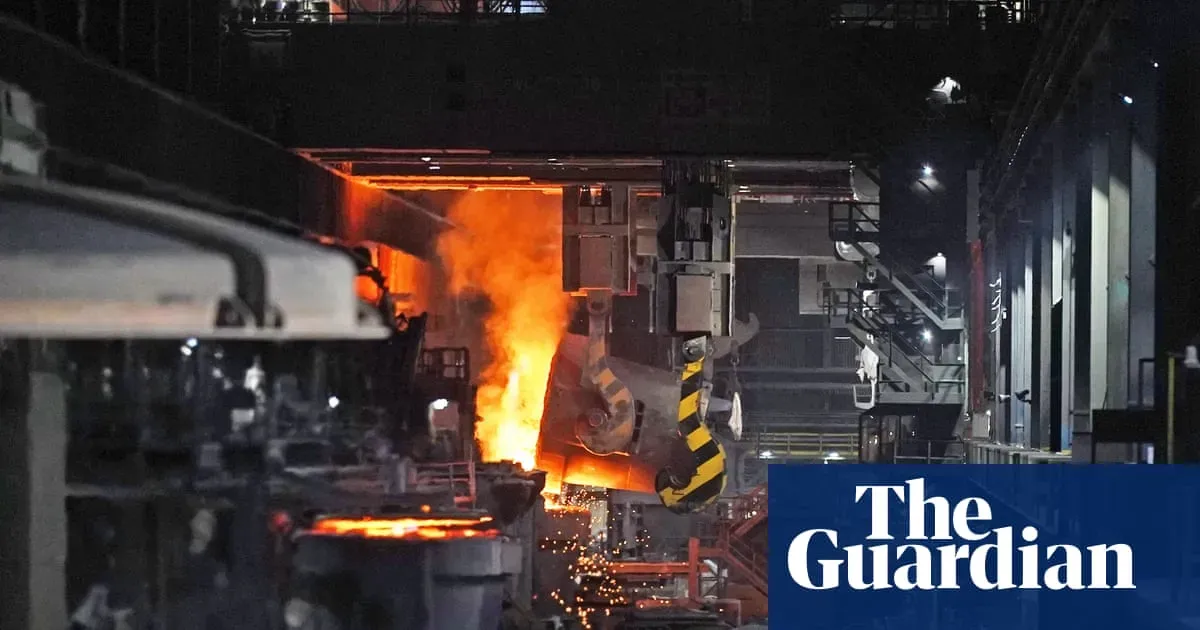
The UK's steel industry is facing significant challenges as electricity costs have surged to nearly £30 per megawatt hour (MWh), a level not seen in three years, according to analysis by the lobby group UK Steel.
This increase has pushed British steelmakers further behind their European rivals on electricity costs. The premium paid by the UK industry over its French counterpart is at an all-time high, with France enjoying lower electricity prices that are driven mainly by its nuclear reactors.
Energy prices have long been a major concern for businesses in the UK, with many citing them as one of the main obstacles to growth and development. For Andy Burnham, who aims to reindustrialize the UK, high electricity costs represent perhaps the biggest challenge he faces.
The UK's reliance on gas for power generation is a key factor contributing to its high electricity prices. This is particularly problematic for cleaner steelmaking processes that rely on electric arc furnaces, which are more expensive to operate due to the cost of electricity.
The UK's steel industry continues to struggle with exorbitant electricity costs, making it difficult for manufacturers to compete globally. The country's reliance on imports from European rivals has increased due to high production costs, with about 75% of exported steel worth around £3 billion going to the EU.
Comparisons with France and Germany show that the UK's gap in electricity prices remains substantial. While the difference with France had narrowed slightly to £18 a megawatt hour (MWh) last year, it still lags behind the £153 reached in 2022 due to global gas market disruptions caused by Russia's invasion of Ukraine.
Government policies have contributed significantly to the UK's high electricity costs, but efforts made under Keir Starmer's leadership have helped reduce some of these additional expenses. However, more drastic measures are needed to bring down prices and make British steelmakers competitive with European counterparts.
The UK Steel lobby group has proposed a price cap that would cost around £51 million annually, which the government could fund by paying the difference when prices exceed this threshold. The industry would then reimburse the government if prices fall below the cap. This option is seen as a necessary step to support struggling steelmakers.
According to Peter Brennan, director general of UK Steel, direct subsidies are the only viable solution to help British steelmakers compete with global rivals. He emphasized that the current situation is unsustainable and called for immediate action to address the industry's high electricity costs.
The UK government's efforts to revitalize British manufacturing are being hindered by high electricity costs for steelmakers, putting them at a disadvantage against EU rivals.
To address this issue, the government has announced measures to support over 100,000 workforce opportunities in key growth sectors, including professional and business services, defence, construction, financial services, clean energy, life sciences, advanced manufacturing, and the creative industries.
The government's plans include reducing electricity bills for manufacturing businesses by up to 25% and cutting costs for electricity-intensive businesses by around £1 billion per year.
Facts based on reporting originally published by The Guardian Business.
You may republish this story, in full or in part, if you credit Noti Group and link to it (licence CC BY 4.0). Photos are not included.