





Microsoft Unveils Vision for Frontier Ecosystem with Copilot OS
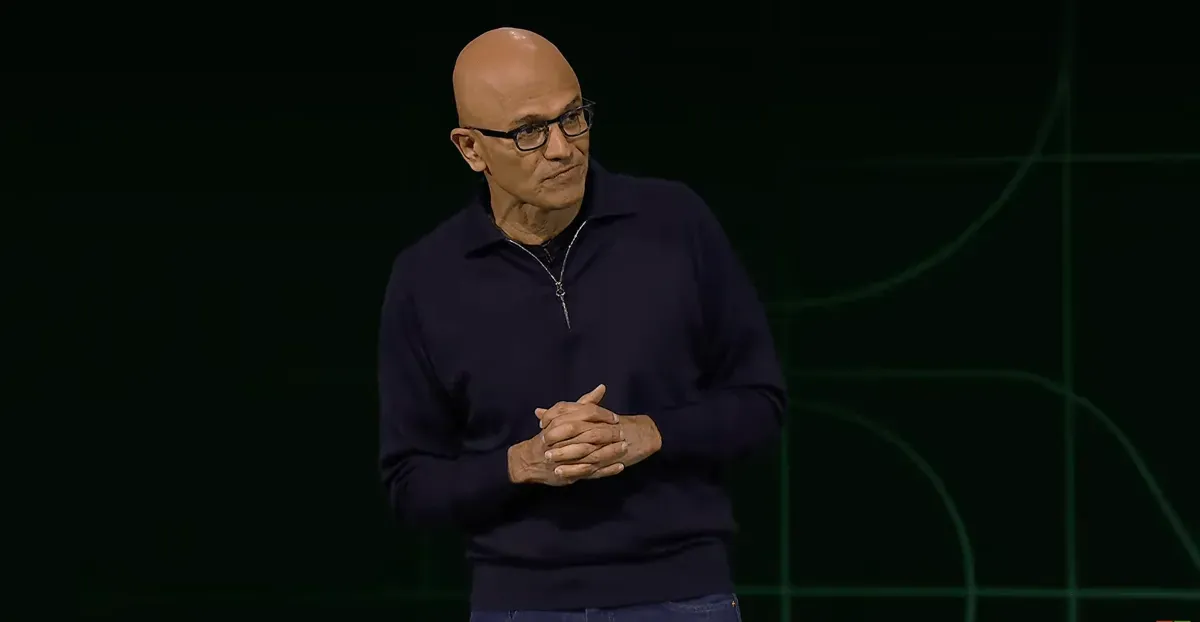
Microsoft CEO Satya Nadella unveiled his company's vision for a frontier ecosystem during the opening keynote at its Ignate event, announcing that Word, Excel, and PowerPoint are now available inside Copilot.
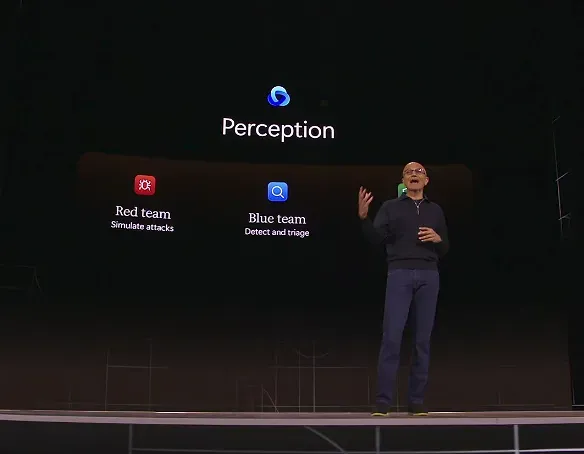
Microsoft CEO Satya Nadella unveiled his company's vision for a "frontier ecosystem during the opening keynote at its Ignite event, announcing that Word, Excel, and PowerPoint are now available inside Copilot, which he described as the new OS for work.
This marks a significant shift in how software is used. Rather than an application like Word being the central focus, with assistants like Clippy providing support, Microsoft envisions a future where agents drive tasks and applications become plugin components of their work. These agents will draw context from various sources, including emails, meetings, calendars, chats, and files.
Users can now create documents, spreadsheets, and presentations directly in Copilot, and the resulting files remain editable in their respective Office applications. This integration is a key part of Microsoft's Copilot redesign, which was first announced in September.
The rollout includes autonomous agents and new governance tools, with Nadella describing this as a major step toward making these features generally available.
Microsoft's Copilot Autopilot is being positioned as a persistent AI agent that can take on responsibilities across various services such as email and calendars. This cloud-based autonomous agent can be authorized to complete tasks assigned to it as part of its role, allowing users to delegate more complex workloads. The agent will use Copilot Credits for billing purposes, although the final pricing structure has yet to be announced.
Microsoft's intelligence platform, Microsoft IQ, is also now generally available, featuring a context layer called Work IQ that helps agents understand company communications and relationships. This platform houses Work IQ, which Nadella described as a deep understanding of a company's internal dynamics. It encompasses various aspects such as people, their relationships, emails, meetings, chats, and projects.
The decision on whether to grant autonomous agents access to internal documents and messaging data will be determined by each company's IT review. This is a critical consideration for organizations looking to implement these new features, which are designed to enhance productivity and collaboration. Companies must weigh the benefits against potential security risks associated with granting AI access to sensitive information.
Copilot Workspaces is currently available through Microsoft's Frontier early-access program as a collaborative environment. However, it will soon be possible to bring personal Autopilot agents into these shared workspaces. This feature promises to enhance team productivity and collaboration by allowing people and agents to drive toward common goals with shared context.
Nadella stated that until now, AI interactions have been largely limited to single-player experiences. With Workspaces, this is set to change, enabling a truly multiplayer experience where both humans and agents can work together towards a common objective.
Microsoft's Satya Nadella emphasized the challenge of trusting AI technology during his presentation, highlighting that even accurate answers from models cannot be relied upon without understanding their internal workings. This lack of transparency raises questions about how to trust powerful AI systems, which he acknowledged is a fundamental issue.
In contrast to the usual hype surrounding AI capabilities, Nadella downplayed the mystique surrounding these technologies. He conceded that the inner workings of AI thought processes remain difficult to grasp, making it impossible to fully rely on their self-governance. This concern underscores the need for a more nuanced approach to AI development and deployment.
To address this issue, Microsoft proposes separating the supply of intelligence from the authority granted to it. Each Autopilot agent will be assigned a unique ID, allowing administrators to restrict its permissions or block it entirely if necessary. Furthermore, all agent activities will be logged for human review, enabling closer oversight and accountability.
This approach marks a significant departure from the typical focus on AI capabilities, instead emphasizing the need for control and regulation. By acknowledging that AI systems can't always be trusted, Microsoft is shifting the emphasis to limiting their autonomy rather than making them trustworthy. This will require businesses to carefully consider how much authority they delegate to agents.
Ultimately, it remains to be seen whether these safeguards can effectively mitigate the risks associated with untrustworthy intelligence. Businesses and users will need to weigh the benefits of delegating tasks to AI agents against the potential consequences of mistakes or rogue actions.
Microsoft has launched a comprehensive initiative aimed at establishing industrywide standards for AI governance and security. Dubbed the AI Transparency Initiative, it involves collaboration with over 40 major companies, including Adobe and Mastercard. The goal of this effort is to create an open standard that makes AI more accessible, safer, and transparent.
As part of its ongoing efforts to develop a robust AI ecosystem, Microsoft has also expanded the capabilities of Agent 365, its existing control plane for managing AI agents across enterprise environments. The new agent sheriff feature extends identity, security, and management systems to AI agents, providing observability at every layer of the stack.
The integration of Agent 365 with its business analytics tool is designed to provide customers with a clear understanding of their AI usage and associated costs. According to Nadella, this can be thought of as an ERP system for AI usage, allowing businesses to see exactly what drives spend and connect it to outcomes that drive business value.
Microsoft has acknowledged that the estimations of assisted work hours are determined by a model, rather than direct measurement of time saved. This concession highlights the need for businesses to carefully evaluate the potential return on investment (ROI) from AI implementations.
The company's CEO, Judson Althoff, has emphasized the capabilities and cost-effectiveness of Copilot compared to other AI tools like Claude or ChatGPT. According to him, anything that can be done with these alternatives can be achieved better with Copilot at a lower cost.
Businesses will need to carefully weigh the benefits of delegating tasks to AI agents against the potential consequences of mistakes or rogue actions, as they consider implementing AI-powered solutions in their operations.
Microsoft's CEO Satya Nadella briefly addressed last week's global outage that affected services like Exchange Online and Teams, acknowledging the critical role of digital infrastructure in modern work. He noted that his company takes the trust placed in its services extremely seriously, but also hinted at the need for improvement.
In a presentation focused on delegating more autonomy to software agents, Microsoft seemed to address growing public concerns over data center projects by highlighting its previously discussed community-first AI infrastructure plan." This move comes as the tech giant is asking organizations to consider extending more power to these agents, amidst increased scrutiny of its existing infrastructure.
The presentation's emphasis on granting software agents greater autonomy serves as a reminder that businesses will need to carefully assess the benefits and risks of relying on AI-powered solutions in their operations.
Facts based on reporting originally published by Ars Technica.
You may republish this story, in full or in part, if you credit Noti Group and link to it (licence CC BY 4.0). Photos are not included.