


Microsoft Cuts Back on Maker Space Program The Garage
Microsoft is winding down its centralized maker space program, The Garage, after 17 years due to internal restructuring efforts.
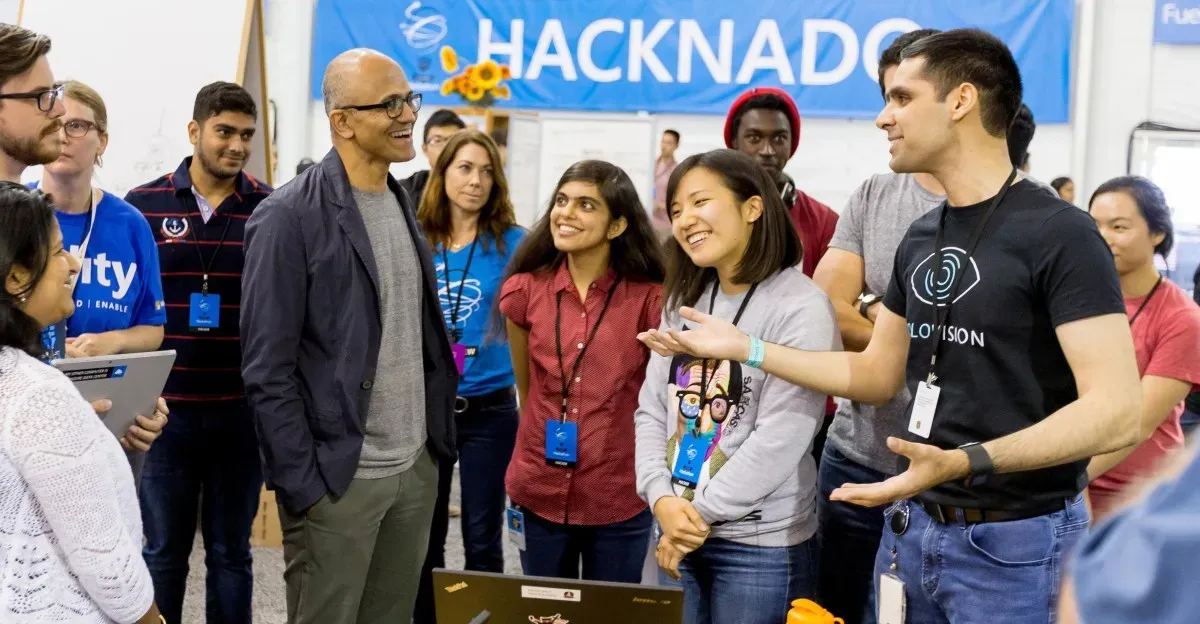
Microsoft has announced plans to shut down its popular maker space program, The Garage, which has been a hub for employee-led innovation and experimentation over the past 17 years. According to internal documents, the company will be winding down the centralized function of The Garage.
The Garage was a key facility where employees could work on prototypes, build hardware, and turn their hobbies into full-fledged Microsoft products. Located at the company's Redmond campus in Washington state, it served as the central hub for around 15 locations across various regions worldwide. Employees from different departments would come together to collaborate on projects during hackathon events.
Microsoft employees have been using The Garage to develop a wide range of innovative apps and services over the years. One notable example is the AI-powered Seeing AI app, which was born out of a 2015 hackathon event and has since become a valuable tool for people who are blind or have low vision. Another successful project that emerged from The Garage is Mouse Without Borders, an app developed by employee Tuong Do in his spare time.
The app allows users to control up to four PCs with a single mouse and keyboard, making it easier to manage multiple devices at once. Microsoft employees have also used The Garage to develop new learning tools and accessibility features for popular products such as Word, Microsoft Edge, and PowerPoint.
One of the most impressive success stories to come out of The Garage is the Xbox Adaptive Controller, an accessibility-focused gaming device that was a collective effort by employees across Xbox and Surface teams. The controller originated from a hackathon event where employees were experimenting with using Kinect motion-sensing technology to track movements and translate them into an Xbox controller.
Microsoft CEO Satya Nadella has regularly attended Garage hackathons, giving employees the opportunity to showcase their projects and attract the attention of senior executives. This level of support and encouragement has been instrumental in driving innovation within the company.
The decision to shut down The Garage program marks a significant shift for Microsoft's employee-led innovation efforts. While the company will continue to support individual initiatives and projects, it is unclear what the future holds for these types of collaborative workspaces.
The Garage locations, once a hub for innovation and collaboration within Microsoft, are set to undergo significant changes as the company winds down its operations. This move will likely have far-reaching consequences for employees who relied on these spaces to develop new skills and work on projects.
One notable example of the impact of The Garage is the creation of the Xbox Adaptive Controller, a device that was nearly cut due to budget constraints but ultimately became a star of Microsoft's 2019 Super Bowl commercial. An executive at the company saw the potential of the project and brought together a team of more than 80 employees to bring it to life.
The closure of The Garage will also have implications for Microsoft's annual employee hackathon event, which may be reimagined or even eliminated altogether. According to an internal FAQ, the hackathon team is working to adapt the program to meet the changing needs of employees and customers in today's technological landscape.
Employees who spoke with the company expressed concerns about the closure of The Garage, seeing it as part of a broader trend of cutbacks within Microsoft. One former employee noted that the library used to house thousands of resources for learning and research, similar to The Garage's maker spaces and workshops.
Microsoft has stated its gratitude to employees, volunteers, and partners who helped build The Garage, and is committed to continuing its legacy in new forms. However, it remains unclear what these "new forms will look like or how they will meet the needs of employees who relied on The Garage for innovation and collaboration.
The closure of The Garage raises questions about the future of collaborative workspaces within Microsoft and whether anything can replicate the unique mix of resources and opportunities that the company provided. Employees are left wondering what this means for their own professional development and the types of projects they will be able to pursue in the future.
As part of its efforts to reimagine its programs, Microsoft is re-examining its approach to innovation and collaboration within the company. This includes re-evaluating the role of hackathons and other events that brought employees together to work on new ideas and projects.
As part of its ongoing efforts to revamp Windows 11, Microsoft has introduced a revamped Photos app that seamlessly integrates images and videos from various sources, including PCs, OneDrive, and iCloud.
The new Photos app boasts a redesigned viewer, which offers improved HDR viewing capabilities and enhanced file type support. This update aims to provide users with a more streamlined and efficient way of browsing through their digital media.
Microsoft has also upgraded the native editor within the Photos app, allowing for faster loading times and quicker editing processes. Users can now easily crop and edit photos, including those in HDR, HEIC, or WebP formats.
The company's focus on performance optimization is evident in its claims that Windows 11 is now more responsive and capable of running smoothly even on lower-end hardware with just 8GB of RAM.
Microsoft has made significant strides in improving the overall user experience by tweaking various aspects of the operating system, including Start, File Explorer, Search, and Edge. These enhancements are designed to make Windows 11 feel faster and more efficient.
One notable example of Microsoft's collaboration efforts is its partnership with Ikea on a new line of Xbox-inspired furniture and accessories, which debuted in physical stores earlier this month and is now available for online ordering.
Meanwhile, Nvidia has released an updated GPU driver that leverages Microsoft's Advanced Shader Delivery technology to speed up game launches by offloading shader compilation to the cloud. This innovation promises to reduce stuttering and CPU spikes during gameplay.
Microsoft has made its Xbox PC app more versatile by integrating Advanced Shader Delivery for games purchased on various platforms, including Steam. This means that users can enjoy this feature regardless of their game source as long as they have the Xbox PC app installed.
Advanced Shader Delivery is a system that allows for smoother gameplay and reduced stuttering, and it's now available in two popular titles: Gears of War: E-Day and Call of Duty: Modern Warfare 4. This innovation promises to enhance user experience by minimizing CPU spikes during gameplay.
In other news, Microsoft has donated $10 million to the Trump White House ballroom project, putting it among the middle-tier tech donors. The list of major contributors includes big names such as Apple, Amazon, Nvidia, Google, and Meta, each donating between $5 and $25 million.
The donation amounts reveal a diverse range of contributions, with some companies giving more than others. Microsoft's $10 million contribution puts it in a unique position among the tech industry donors to this particular project.
Microsoft has also made changes to its return-to-office policy for Xbox employees. Starting February 1st, 2027, most Xbox employees will be required to work from the office at least four days a week. This change comes after feedback from Xbox staff and an internal memo.
Some Xbox employees have expressed concerns that this new policy could be seen as a stealth layoff, while others note that the previous three-day rule was often lightly enforced. The shift in policy aims to create more opportunities for teamwork among Xbox staff.
Microsoft is working on improving its Edge browser by developing a feature called seamless updates. This innovation would allow users to update their browser without needing to restart it, addressing issues like insecure TLS certificates and other problems that require patching.
Microsoft's recent endeavors have been making headlines in various sectors, from technology to gaming.
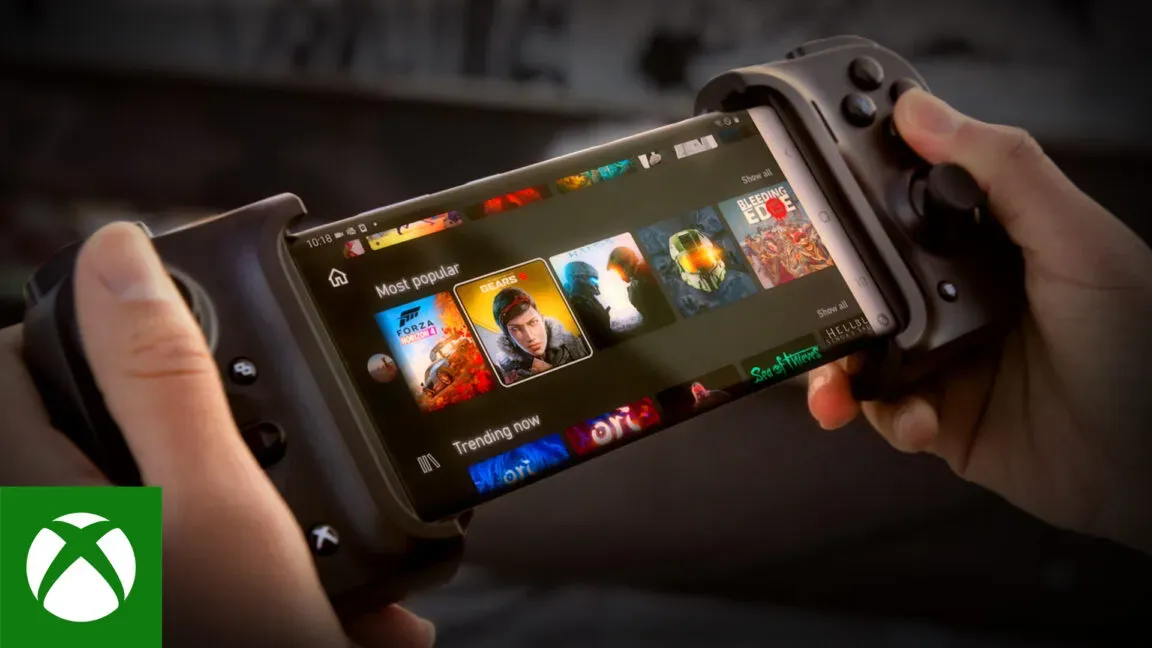
The tech giant is reportedly planning to launch an Xbox next-generation handheld device for the holiday season of 2027, according to a new report.
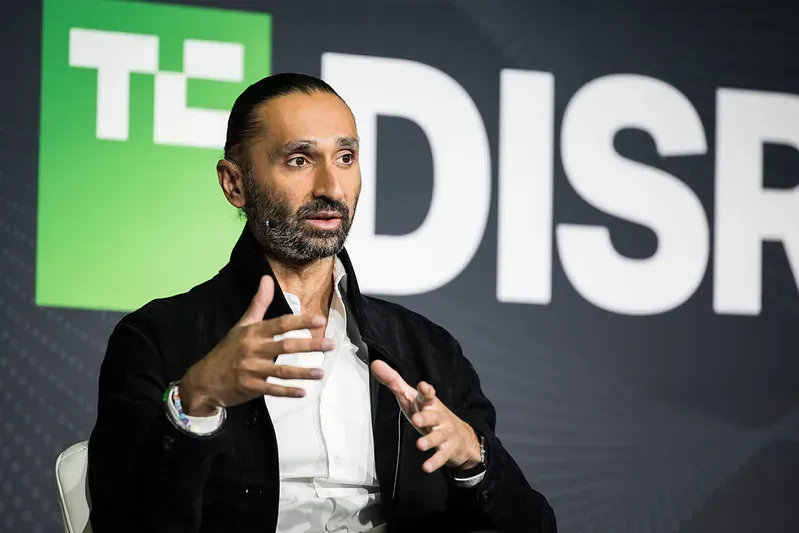
This move comes as part of Microsoft's broader strategy for its Xbox brand, which includes developing a family of devices, as described by CEO Asha Sharma.
Sharma has previously hinted at this approach, suggesting that the next Xbox console may not be just one piece of hardware but rather a range of products designed to cater to different needs and preferences.
The report also mentions that Microsoft is planning fresh rounds of layoffs within its Xbox division, with further cuts expected in November and January.
These developments are taking place against the backdrop of Microsoft's ongoing efforts to revamp its Edge browser, which includes developing seamless updates that would enable users to update their browser without needing to restart it.
Microsoft's decision to abandon a major data center project in the UK has also been met with interest, as the company walks away from a deal with Nscale for a new facility in Loughton, Essex due to delays and power supply issues.
Microsoft's decision to abandon its beloved maker space has raised eyebrows among tech enthusiasts and industry insiders alike. The move comes as the company is gearing up to release a major update for Xbox console owners, which will bring frame rate-boosting technology to more than 300 games.
This new technology is expected to have a significant impact on the gaming experience, particularly for those with lower-end hardware like the Xbox Series S. Cyberpunk 2077, Battlefield 6, and Assassin's Creed Shadows are just a few of the many titles that will benefit from this update. However, console owners will have to wait a little longer to get their hands on it.
In related news, Microsoft is taking a more cautious approach to AI development, with CEO Satya Nadella warning earlier this month that all AI models should be treated as compromised." This stance has been reinforced by Hayete Gallot, executive vice president of Microsoft Security, who stated that frontier models from any origin cannot be trusted.
Microsoft's new Project Perception is being positioned as a solution to securing AI models. The system is designed to help cybersecurity professionals secure and control AI agents, with an agentic security approach. This move underscores the company's commitment to addressing the growing concerns surrounding AI development and deployment.
As Microsoft continues to navigate the tech landscape, it has also been experimenting with new dashboard designs for Xbox consoles. Xbox CTO Scott Van Vliet is reportedly working on a retro-themed option that would allow users to choose from different visual styles. While this is still an experimental phase, it's clear that the company is open to exploring fresh ideas and pushing the boundaries of user experience.
Facts based on reporting originally published by The Verge.
You may republish this story, in full or in part, if you credit Noti Group and link to it (licence CC BY 4.0). Photos are not included.