




Meta Unveils Cutting-Edge Technology at Annual Product Event
Meta CEO Mark Zuckerberg showcased innovative products including agentic chatbots and smart glasses, but notably left out Instagram and Facebook from his presentation.
Meta's annual product event was a showcase for cutting-edge technology, with CEO Mark Zuckerberg taking the stage to unveil several innovative products. In a rare moment of introspection, Zuckerberg began his keynote speech by saying that building is an act of love, describing it as a way to share one's values and pour heart and soul into creations.
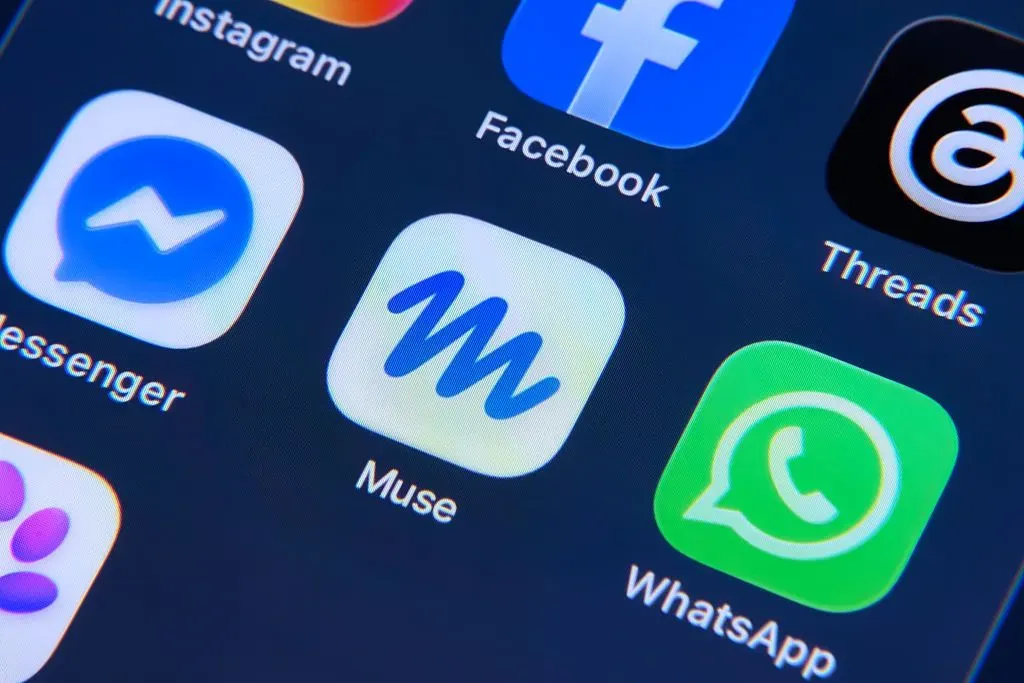
This emotional tone was short-lived, however, as Zuckerberg quickly transitioned into discussing the latest developments from Meta's research labs. The company has been working on agentic chatbots like Muse, which promises to revolutionize human-computer interaction. Also showcased were smart glasses and a quirky AI gadget inspired by Tamagotchis.
The absence of Instagram and Facebook from Zuckerberg's presentation was notable, given that these social media platforms are the foundation upon which Meta's $2 trillion valuation is built. Instead, the focus was on emerging technologies that aim to push the boundaries of human innovation.
For months, Meta has been at the center of controversy surrounding its alleged role in designing addictive products that harm young users. This has led to a slew of lawsuits and high-profile whistleblower testimony, with internal emails and documents being used as evidence by lawyers and prosecutors.
The negative publicity has had little impact on public opinion, however. A recent Pew Research Center poll found that two-thirds of Americans have an unfavorable view of Zuckerberg personally.
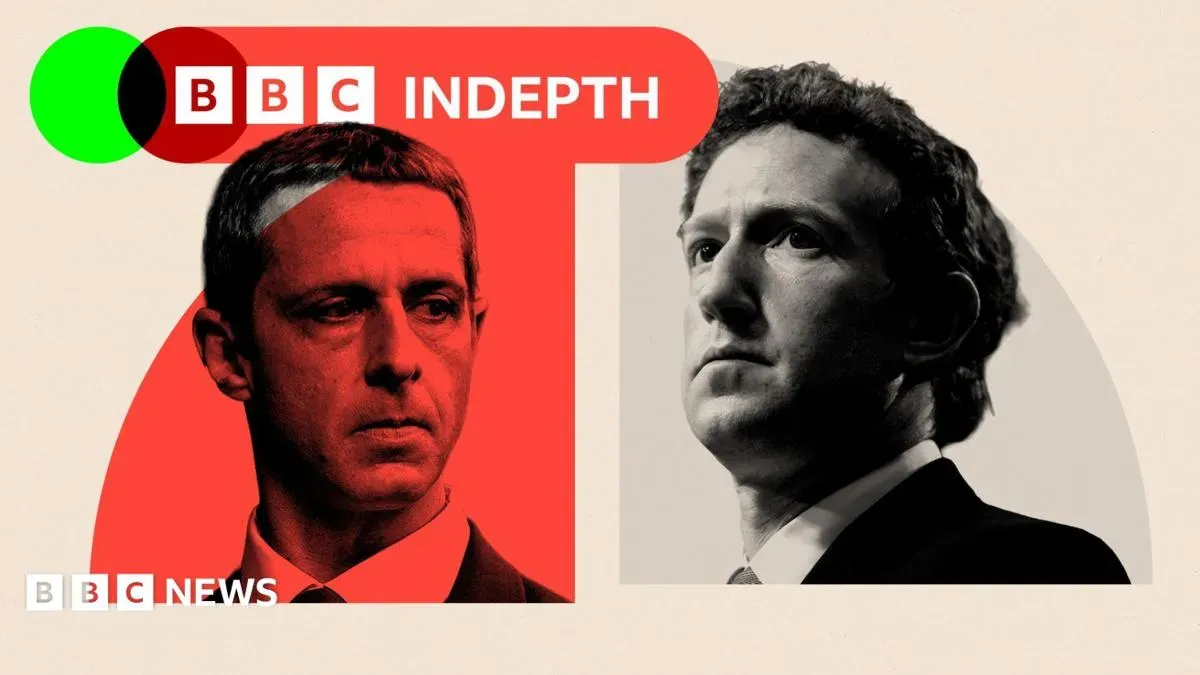
This perceived image problem is unlikely to be alleviated by the new film The Social Reckoning, which dramatizes whistleblower claims that Meta executives knew their products were harming young people. In a telling portrayal, actor Jeremy Strong plays Zuckerberg as a ruthless figure who prioritizes profits over social responsibility.
Some observers have likened this moment in time to the "Big Tobacco era, when public opinion turned against the tobacco industry due to its role in causing harm and deception. However, it seems that Meta's situation is more complex than a simple narrative of villainy versus virtue.
Despite the bad press, Meta's products continue to thrive, with user engagement on its apps reaching new heights. The company's AI assistant has already gained traction among users, who are eager to explore the possibilities offered by this emerging technology.
Despite a year of intense scrutiny over its handling of sensitive topics, Meta continues to thrive as a business entity. The company's resilience has led some to wonder if it has developed a reputation that is impervious to criticism.
Recent revelations have raised concerns about the safety and well-being of users on Meta's platforms. Last summer, reports emerged that the company had allowed its chatbots to engage in conversations with children that were deemed unsuitable for their age group. This led to changes in the company's policies, which now prohibit such interactions.
In addition to these internal issues, Meta has faced a series of high-profile lawsuits over the past year. In March, a jury awarded $6m to a 20-year-old woman who claimed that her use of Instagram and YouTube had caused her mental health problems. The case was significant not only for its financial award but also because it highlighted the potential risks associated with social media use.
Meta has been at the center of several other lawsuits in recent months, including one brought by New Mexico over child safety issues. A jury found that Meta had failed to warn the public about the dangers posed by its platforms and fined the company a total of $942m. The judge presiding over the case described Meta as a public nuisance akin to air pollution.
The company has also faced criticism for its handling of allegations related to social media addiction among young users. In May, Meta agreed to pay $9m to settle a lawsuit brought by a Kentucky school district that claimed the company's product design had contributed to a youth mental health crisis.
Meta struck an even larger settlement in the summer with 48 US states and several territories. The deal was worth $18bn and involved significant changes to the company's platform, including time limits for young users and night-time blocks on use. Meta denied any wrongdoing as part of the settlement but did agree to implement new safety measures.
The company still faces a number of ongoing lawsuits, including one scheduled to start later this month in Los Angeles. This case also relates to allegations of social media addiction among young users and is likely to continue the scrutiny of Meta's business practices in the coming months.
Several countries have taken drastic measures to protect their youth from social media's influence. In December last year, Australia became the first country to ban social media for children entirely. This move reflects a growing sentiment among governments worldwide to regulate social media companies and their impact on young users.
The distrust of tech giants is palpable, with many people questioning the ethics of these companies. A recent survey by Reuters/Ipsos found that 85% of Americans believe social media can be addictive for children, while 61% support increased government oversight. This widespread concern highlights the need for greater accountability from social media companies.
Associate Professor Alison Taylor of New York University's Stern School of Business has expressed her concerns about Meta's trust issue. She believes that once the public loses faith in a company, it can be difficult to regain. It feels like... the trust deficit is so big, I just don't know that they're going to be able to recover, she says.
Despite facing numerous challenges and controversies, Meta has reported an increase in user numbers for some of its apps, including Instagram and WhatsApp. The company saw a 3% year-on-year rise in users and a 28% boost in revenue during the second quarter compared to the same period last year.
Meta's decision to temper its pursuit of the teen market has been seen as a strategic move to mitigate potential risks. However, competitors like TikTok and YouTube are still more popular among young users. This indicates that while Meta may be adapting to changing circumstances, it is not yet immune to criticism.
The company's settlement with 48 states was widely regarded as a significant win for Meta. By avoiding testimony from top executives, including Zuckerberg, and preventing the release of internal documents, the company was able to sidestep admitting wrongdoing. The stock price surged immediately after the announcement, rising by 4%, and has since increased by over 25% in the last month.
Critics argue that Meta has been testing consumer tolerance for bad behavior and has so far managed to withstand the backlash. Patrick Moorhead, founder of Moor Insights & Strategy, believes that they're in a remarkably good position despite the challenges they face. This suggests that while social media companies may be facing criticism, their business models remain resilient.
Meta's AI personal assistant app, Muse, has been making waves since its launch last month. This app is significant because it's an AI agent, capable of carrying out multiple tasks over several hours, unlike chatbots that typically focus on a single task at a time.
The capabilities of Muse are impressive, as demonstrated by a New York Times tech reporter who used the app for two weeks. The app was able to automatically call his dental insurer, order groceries, and even track his credit card spending in a spreadsheet without any manual intervention from him.
However, to utilize all these features, users have to share sensitive information with Meta, including their credit card details, purchase history, and access to their email inbox. This raises concerns about the company's reputation on privacy, which has been marred by several controversies over the years.
The Cambridge Analytica scandal, which broke a decade ago, is one such instance where millions of Facebook users' data was compromised and used for political purposes without their consent. The incident damaged Meta's reputation and raised questions about its handling of user data.
Just days after Mark Zuckerberg's keynote at Meta Connect, another New Mexico jury found the company liable for misrepresenting how it uses personal information on Facebook. Meta has disputed this verdict, stating that it will defend itself against what it calls attempts to distort its record.
Despite these concerns, some users seem willing to share their data with Meta in exchange for the convenience offered by Muse. The app has gained over five million downloads and more than three million weekly active users since its launch a month ago, outpacing the adoption rate of ChatGPT when it was first introduced in the North American market.
Meta's vision is to integrate Muse with its line-up of AI smart glasses, allowing users to access personal superintelligence hands-free. The company seems committed to this initiative, and experts believe that Meta is making a strategic investment to position itself as a leader in this emerging category.
Forrester principal analyst Kate Winick notes that Meta's move into smart glasses is an attempt to own the market for now, regardless of its eventual size. This strategy suggests that the company is confident about its ability to adapt and evolve with changing user needs.
Meta's smart glasses have been met with skepticism and concern over their potential for covert filming, earning them the label of pervert glasses" from some critics.
The company has taken steps to mitigate this issue by disabling users' ability to tamper with the light that indicates a photo or video is being captured, in an effort to prevent misuse.
Despite these measures, concerns about user safety and privacy persist. Campaign groups, such as the Heat Initiative, continue to question Meta's commitment to protecting consumers' sensitive information.
One of the key concerns raised by critics is that users must opt into many of the company's promised protections, rather than having them enabled by default. This has led some to suggest that Meta may be prioritizing convenience over security.
In an effort to address these concerns, Mark Zuckerberg highlighted the personal virtual machine, a self-contained computer system running inside Meta's cloud that will store users' data securely. He assured customers that this system would keep their information safe and private.
However, recent reports have raised questions about the effectiveness of this system in protecting user data. Some social media users claim to have experienced issues with Muse, including unauthorized access to emails, which Meta has denied is possible without user consent.
The company's response to these allegations has been swift, with officials pushing back against claims that Muse can read emails without permission and emphasizing that any such actions would require explicit user consent.
As Meta continues to navigate its latest controversies, it's clear that users may be willing to make concessions on privacy if it means convenience and utility.
The company's significant revenue from social media advertising has been a major driver of its financial success, with recent figures showing $60.8bn in revenue and $15.9bn in profit for the second quarter of this year.
This consistent profitability has enabled Meta to invest heavily in new technologies such as the Metaverse and AI infrastructure, with a current long-term debt of $83.7bn according to its latest financial statement.
Despite these significant investments, Meta executives remain optimistic about the company's pivot towards AI, with Andrew Bosworth, chief technology officer, describing it as a key tool for achieving personal goals and objectives.
Ultimately, Meta's future will depend on whether users can trust the company to handle their data responsibly.
Facts based on reporting originally published by BBC News Business.
You may republish this story, in full or in part, if you credit Noti Group and link to it (licence CC BY 4.0). Photos are not included.