


Starbucks to Acquire Chipotle Mexican Grill
The potential acquisition of Chipotle by Starbucks has sparked mixed reactions from investors, with Chipotle's stock price surging and Starbucks' shares dropping.
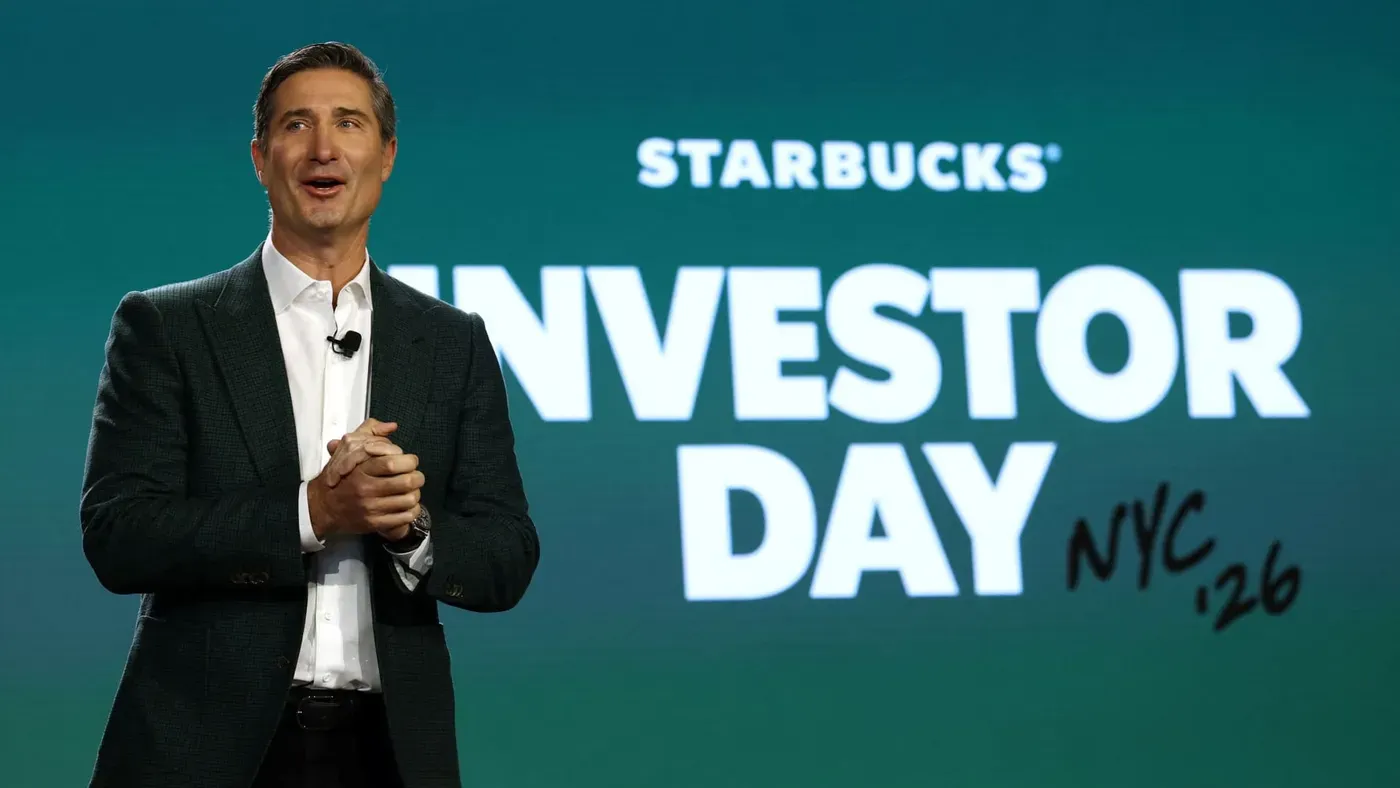
A potential acquisition of Chipotle Mexican Grill by Starbucks has been making waves in the market, leaving investors divided on its feasibility for both companies. According to reports, Starbucks has been working with advisers to explore a takeover proposal, but it's unclear if the coffee giant will proceed.
The deal would bring together two of the largest restaurant chains in the US, combining their sales and operations. With annual domestic sales of around $31 billion, Starbucks is currently the second-largest chain by sales, while Chipotle ranks seventh with over $11 billion in system-wide sales. This potential union has sparked a reaction from investors.
Chipotle's stock price surged by about 7% in afternoon trading following the news, while shares of Starbucks dropped roughly 4%. The fluctuations are consistent with market behavior when deal rumors emerge, as they often lead to a decrease in the acquirer's value and an increase in the target's share price. However, this development highlights the mixed feelings among investors about the proposed takeover.
The implications of such a deal would be far-reaching for both companies. For Starbucks, it could provide entry into the fast-casual market, while for Chipotle, it might mean greater resources and expertise to expand its operations. But not everyone is convinced that this combination makes sense.
It's worth noting that analysts are skeptical about the likelihood of a successful takeover, with one expert estimating the odds as "relatively low, around 20%. Despite these reservations, both Starbucks and Chipotle have declined to comment on the matter, leaving investors and observers waiting for further developments.
Brian Niccol's departure from Chipotle in 2024 marked a significant change for the company he had led out of crisis just over six years earlier. As CEO, Niccol successfully steered Chipotle through a period of intense scrutiny following foodborne illness outbreaks that had severely impacted its reputation.
Following Niccol's departure, Chipotle's traffic took a hit in 2025 as budget-conscious consumers visited its restaurants less frequently. This decline was reflected in the company's stock performance, which traded at a 20% discount from the previous year despite Thursday's significant price increase.
The poor showing in 2025 has had lasting effects on Chipotle's valuation, with shares losing approximately 40% of their value since Niccol left the company. Despite this, there are signs that Chipotle is making progress towards recovery, as hinted at by CEO Scott Boatwright during a recent earnings conference call.
A potential acquisition by Starbucks would be a major coup for Brian Niccol, who could leverage his experience in leading companies through significant challenges to drive growth and improvement at the coffee giant. This takeover would also have the potential to create a new multi-brand restaurant conglomerate, following the models established by Yum Brands , Restaurant Brands International and Roark Capital-backed Inspire Brands.
Starbucks' extensive international presence, with around 23,000 locations worldwide, could provide Chipotle with an opportunity to rapidly expand its global reach. Currently, Chipotle has only about 100 foreign locations, leaving significant room for growth in this area.
The strategy of expanding into new markets through strategic acquisitions is one that has been successfully employed by other restaurant companies. For instance, Yum Brands has utilized its experience in international operations from KFC and Pizza Hut to launch Taco Bell globally outside the US.
A potential acquisition of Chipotle by Starbucks could also unlock synergies between the two companies. While a coffee shop and a burrito chain may seem like an unlikely pairing, there are areas where they can complement each other's strengths.
One area where cost savings could be achieved is in corporate overheads. By combining their operations, it's possible that some redundant roles could be eliminated, resulting in cost cuts for the merged entity.
The U.S. real estate footprint of both companies also presents an opportunity for shared development and operating efficiencies. A significant proportion, roughly 90%, of Chipotle restaurants are located within a mile of a Starbucks cafe, according to research from analyst Jim Salera.
This geographic overlap could be leveraged through a combined rewards program, allowing customers of both chains to benefit from the partnership. Such a move would also enable the companies to better understand and serve their overlapping customer base.
McDonald's made a significant investment in Chipotle in 1998, but by 2006, it had divested its ownership. This decision was likely due to the struggling performance of McDonald's restaurant investments at that time. The Golden Arches' focus on its core business may have led to a re-evaluation of its other ventures.
One notable attempt by McDonald's to integrate Chipotle into its operations involved franchising some of Chipotle's restaurants to its own franchisees. However, this effort was met with resistance from Chipotle's leadership, who wanted to maintain control over their brand and operations. This shows that there were cultural differences between the two companies.
Chipotle's founder Steve Ells and his team had a clear vision for their Mexican-inspired chain, which did not align with McDonald's goals. They resisted suggestions to add drive-thru windows or introduce a breakfast menu, preferring to stay true to their brand identity. This independence was likely a key factor in Chipotle's success.
Starbucks has been undergoing its own transformation under the leadership of CEO Niccol, who joined the company more than two years ago. His efforts have shown early signs of improvement in the U.S. market, but there is still work to be done. The goal is ambitious: Starbucks aims to become the world's greatest customer service company," as outlined in a memo to employees in September.
As part of its broader strategy to improve customer loyalty, Starbucks has been focusing on enhancing its customer experience. This initiative is likely to have a significant impact on the company's performance and reputation. With its global reach and diverse customer base, Starbucks has a unique opportunity to set a new standard for customer service.
Starbucks' plans to integrate a new chain into its operations would require careful consideration and planning. The company is reportedly exploring other deals, including the sale of a majority stake in its Japan business. This move could free up resources and allow Starbucks to focus on its core strategy without the added complexity of integrating a new brand.
Acquiring Chipotle would require significant senior management time and resources from Starbucks, which is still executing its turnaround strategy. The company has been investing heavily in labor, cafe makeovers, and store equipment to improve its service and customer experience.
This effort has come at a cost, as evidenced by the company's recent quarterly earnings reports, which have been weighed down by expenses related to these initiatives. Layoffs and store closures are also expected to cut costs in the long term but have yet to yield significant savings.
A potential acquisition of Chipotle would be an even more substantial expense, given its market capitalization of around $42 billion. Starbucks' own debt burden, which stood at approximately $9.4 billion as of June, would likely balloon if it pursued a deal with Chipotle, potentially reaching six times its current level if financed primarily through debt.
An all-stock deal might mitigate the impact on earnings but could still dilute per-share earnings by around 10%, according to estimates from analyst Sharon Zackfia.
A takeover deal between Starbucks and Chipotle would pose significant challenges due to the different operating cultures of the two companies. Typically, employees within a company tend to be loyal to the brand that is perceived as stronger or offers more career opportunities.
The history of mergers and acquisitions in the restaurant industry provides cautionary tales for any potential deal. For instance, Jack in the Box's acquisition of Del Taco in 2022 resulted in dismal performance from both companies involved. The combined entity saw shares plummet by a staggering 73% over the course of its ownership.
This failed partnership highlights the difficulties that can arise when two brands with distinct operating styles are merged under one umbrella. During their time together, Jack in the Box was forced to close dozens of locations due to declining sales, while Del Taco struggled with even more severe same-store sales declines for over a year straight.
Facts based on reporting originally published by CNBC.
You may republish this story, in full or in part, if you credit Noti Group and link to it (licence CC BY 4.0). Photos are not included.