







Oil prices surge 5% to $105.3 a barrel due to Middle East tensions and hurricane threat
Global bond markets are experiencing widespread selling as investors fear higher energy costs could fuel inflation.
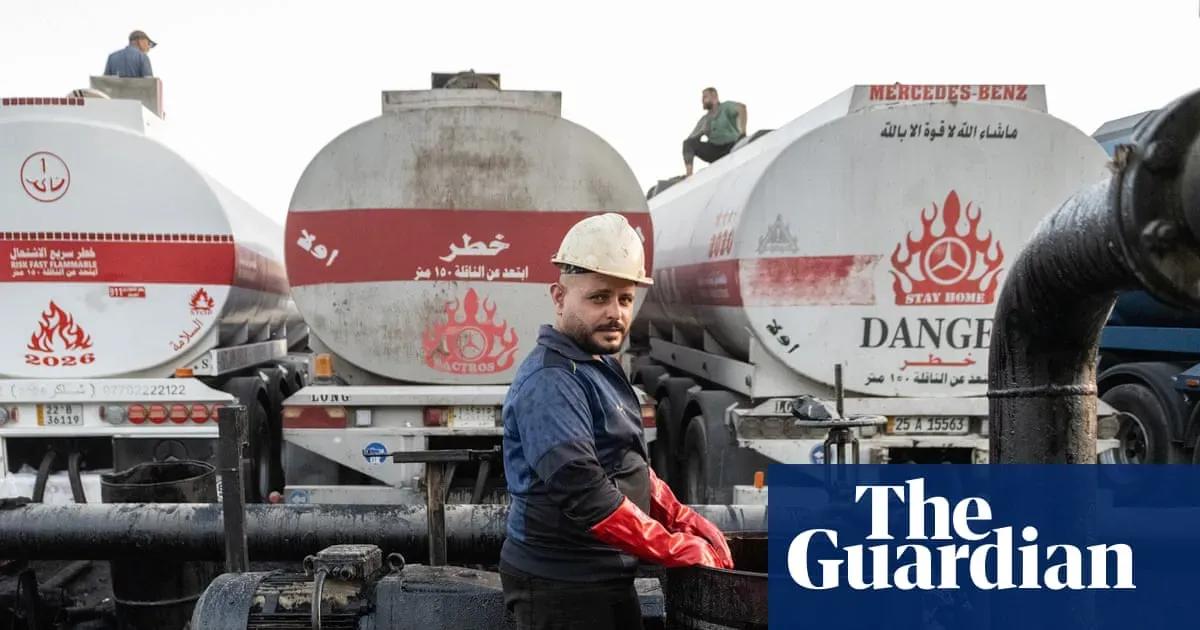
Oil prices surged by 5% to $105.3 a barrel on Thursday due to escalating tensions in the Middle East and concerns about production disruptions from a hurricane threat off the US coast.
The sharp rise in oil prices triggered widespread selling across global bond markets, with investors fearing that higher energy costs could fuel inflation. This anxiety spilled over into stock markets, where shares took a hit as investors sought safe havens for their money.
In the UK, yields on government bonds rose to their highest levels since 2007. The yield on the 10-year gilt, which measures the cost of borrowing for the government, climbed by six basis points to 5.515%. This increase reflects growing concerns about the impact of rising oil prices on inflation.
The 30-year bond, the UK's benchmark long-term borrowing rate, also saw its yield rise by three basis points to 6.0117%. This level is the highest since January 1998, when global markets were grappling with the aftermath of the Asian financial crisis.
Market volatility has increased in anticipation of a potential escalation of tensions between the US and Iran. Unnamed officials within Donald Trump's administration have reportedly been asked by the White House to draw up options for strikes against Iran before the US midterm elections.
The escalating tensions between the US and Iran have cast a dark shadow over hopes of a peaceful resolution before the upcoming midterm elections.
According to reports, a limited operation against Iran could be followed by more substantial action after the midterms, raising concerns about further destabilization in the region.
As the conflict with Iran enters its eighth month, attacks on tankers in the Strait of Hormuz have reached their highest levels, severely disrupting traffic and fueling fears about oil supply disruptions.
The latest attack occurred on Wednesday, when a tanker was hit by projectiles off the north coast of Qatar, resulting in casualties according to the United Kingdom Maritime Trade Operations.
Meanwhile, Tropical Storm Isaias has strengthened into a hurricane, putting pressure on oil production in the Gulf of Mexico as Shell and Chevron have shut down operations ahead of its expected landfall this weekend.
Global bond markets continued their downward trend on Thursday, with investors growing increasingly concerned about rising debt levels and increasing government spending. In France, the 10-year yield surged by six basis points to 4.931%, narrowly missing its 24-year high of 4.994% set just last week.
Germany's benchmark 10-year yield also climbed, increasing by two basis points to 3.504%. Meanwhile, the US 10-year treasury yield rose by five basis points to 5.331%, a significant jump in what is considered top-quality government debt. This increase in yields reflects falling bond prices as investors become more cautious.
The sell-off extended to global stock markets, with Japan's Nikkei share index plummeting 1.4% and the South Korean Kospi dropping 2.6%. European stocks also suffered losses, including a 0.9% decline for the Stoxx Europe 600 and a 0.4% drop for the UK's FTSE 100 in early trading on Thursday.
Facts based on reporting originally published by The Guardian Business.
You may republish this story, in full or in part, if you credit Noti Group and link to it (licence CC BY 4.0). Photos are not included.