

Adobe Dominance Challenged by Open Source Apps
Developer Brandon Thomas has created a suite of seven open source apps that replicate Adobe's software, using Anthropic's Claude Opus 5.5 AI model.
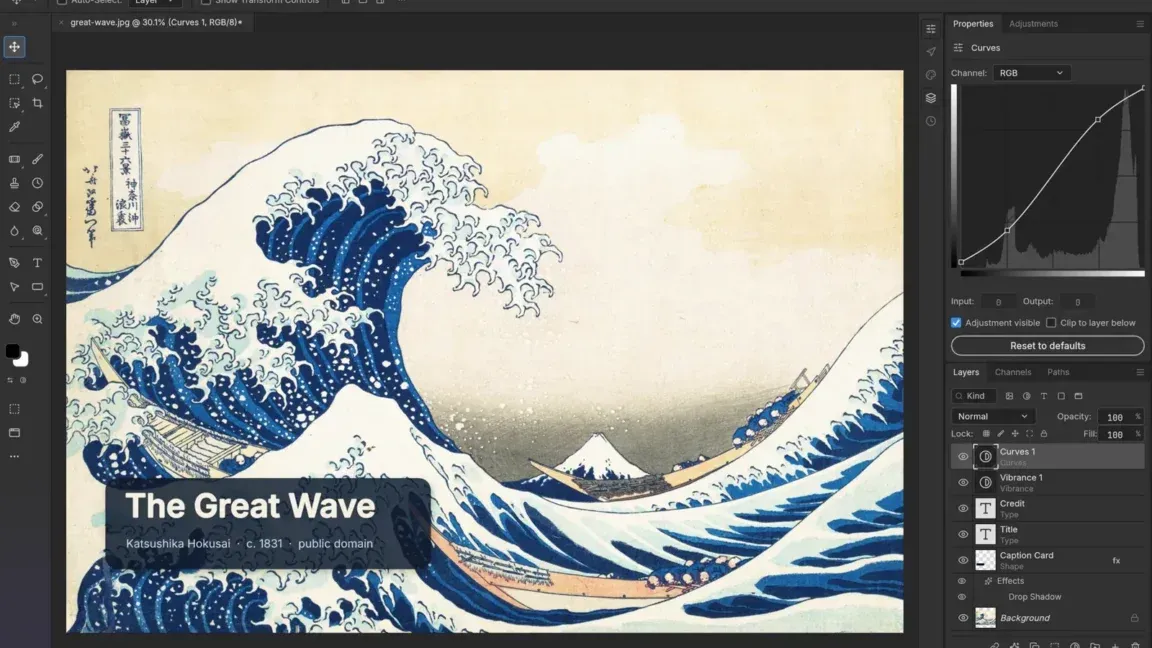
A bold challenge has been issued to Adobe's dominance in the creative software market. Developer Brandon Thomas has unveiled a suite of seven open source apps that closely replicate the look, feel, and functionality of Adobe's well-known software.
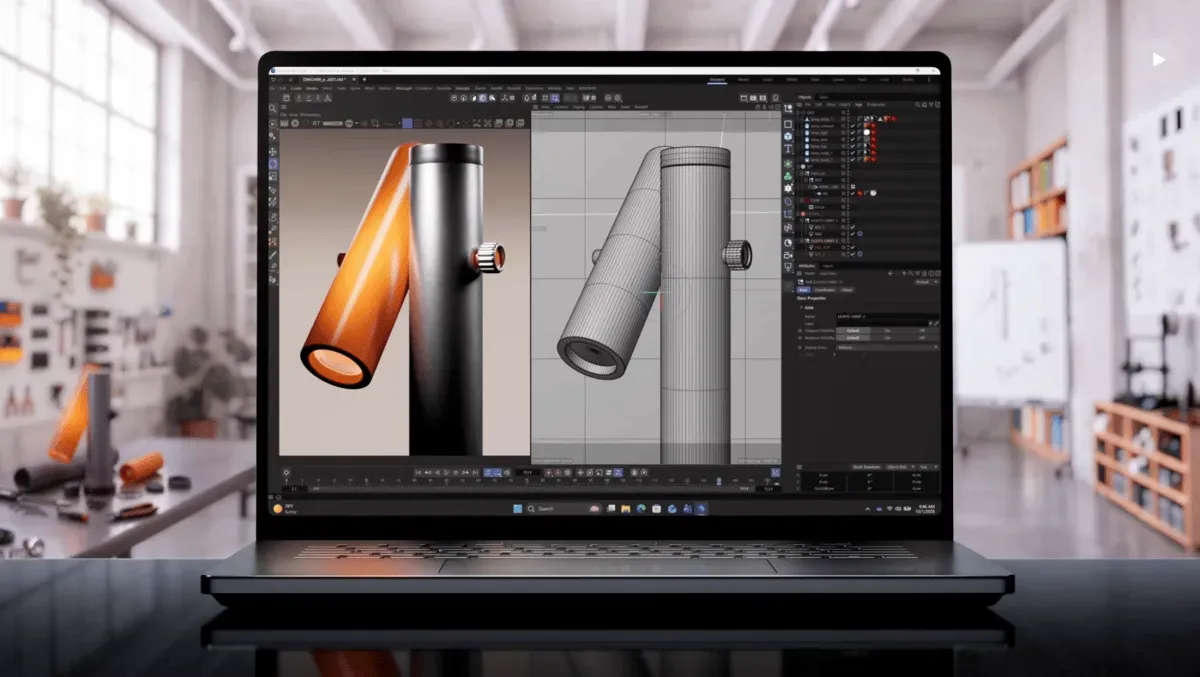
The new apps are based on reverse engineering technology powered by Anthropic's Claude Opus 5.5 AI model. This allows for precise recreation of the user interface and tools found in Photoshop, Illustrator, Premiere, Lightroom, After Effects, InDesign, and Acrobat Pro, all without any proprietary code or intellectual property.
Thomas has described his approach as creating "clean-room replacements" for Adobe's closed source software in Rust, with WebAssembly versions available for use directly in a web browser. This suggests that the new apps are designed to be compatible with a wide range of platforms and devices.
The project is still in its early stages, and Thomas acknowledges that the current version has many shortcomings. However, he is confident that his team will be able to refine and improve the software over time, potentially making it a viable alternative to Adobe's Creative Suite.
The developer behind a series of open source applications designed to rival Adobe's Creative Suite has set an ambitious goal for feature parity. According to Thomas, who is leading this project, his team aims to achieve 100% compatibility within just a month.
However, Thomas later clarified on Hacker News that while achieving 99% parity may take some time, he is confident it will not be a drawn-out process spanning years. Instead, the developer estimates it will be measured in months.
Thomas' decision to create these open source alternatives was motivated by his frustration with Adobe's business practices. He cited being "bit by the dark pattern 'cancellation fee' one too many times" as the catalyst for this project.
To fund development of these applications, Thomas plans to sell token-based access to a pre-existing visual AI model and integrated development environment (IDE). This revenue stream will ensure that the apps are properly supported and do not become abandoned projects.
Thomas's vision for a future where developers can easily create open source alternatives to popular paid software seems increasingly feasible, given his recent achievements.
The ability to recreate 1:1 functional equivalents of commercial software like Photoshop is now within reach, thanks in part to AI tools that have streamlined the development process.
Facts based on reporting originally published by Ars Technica.
You may republish this story, in full or in part, if you credit Noti Group and link to it (licence CC BY 4.0). Photos are not included.