







UnitedHealth Group Beats Earnings Expectations with Strong Financial Performance
The company's profits far exceeded analyst forecasts, driven by increased revenue and adjusted earnings per share.
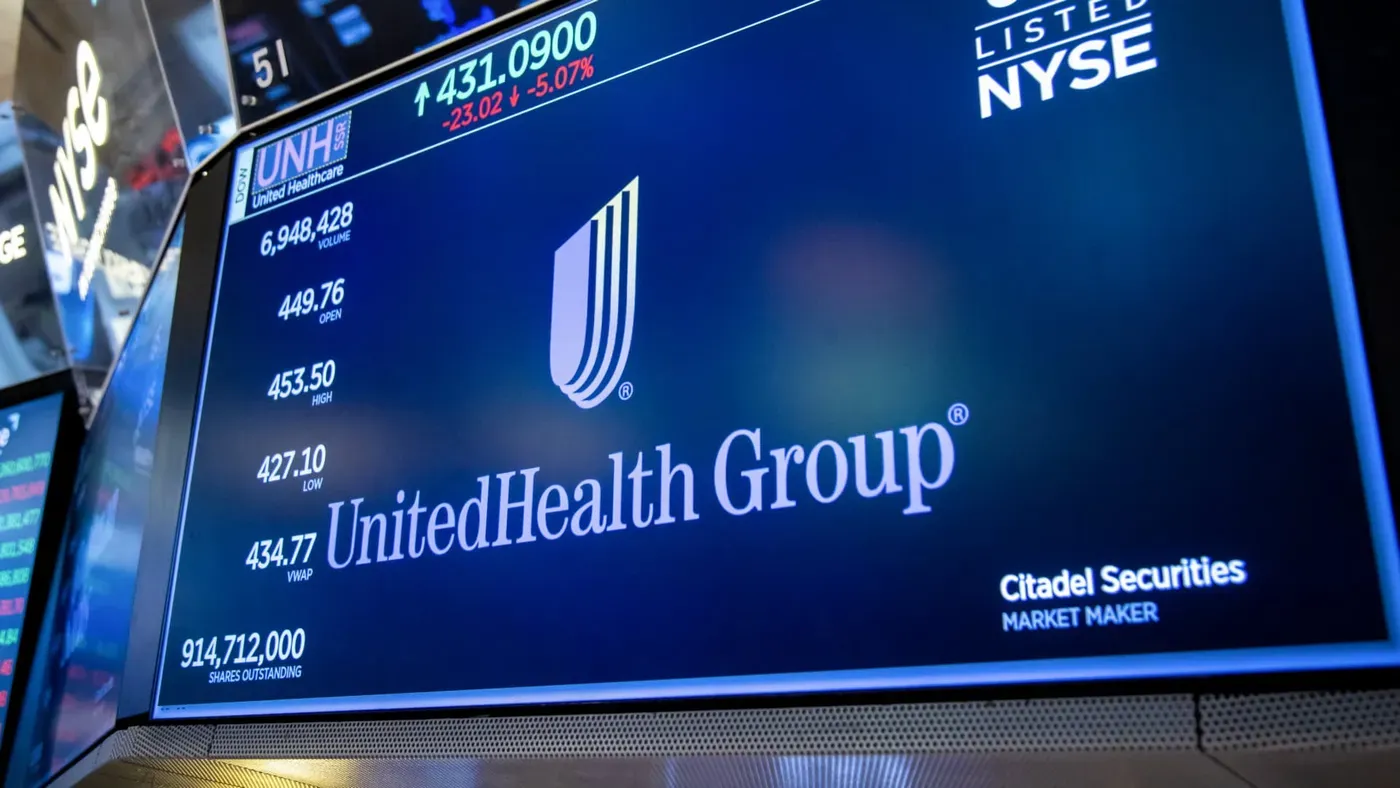
UnitedHealth Group has exceeded investor expectations with its third-quarter earnings report, posting profits that far outpaced analyst forecasts. The nation's largest private insurer reported a significant increase in revenue and adjusted earnings per share, signaling a strong financial performance.
The company's full-year profit outlook has been revised upwards to at least $20.50 per share, up from an earlier projection of between $19.50 and $20 per share. This revised forecast reflects the insurer's ongoing efforts to manage medical costs and optimize its business operations.
UnitedHealth is achieving its turnaround plan by implementing a range of strategic initiatives aimed at stabilizing margins. The company is reducing membership in unprofitable markets, exiting contracts that are not financially viable, and increasing investments in artificial intelligence and value-based care.
The insurer's focus on value-based care has been instrumental in driving these improvements, as it ties doctor and facility compensation to patient health outcomes, quality of care, and cost effectiveness.
The news sent a positive signal to investors, as UnitedHealth Group's shares rose by approximately 3% in premarket trading following the release of its quarterly results.
In line with analyst expectations, the company posted a significant increase in net income for the third quarter, reaching $4.11 billion, or $4.56 per share. This represents a substantial improvement from the same period last year, when the insurer earned $2.35 billion, or $2.59 per share.
However, revenue declined slightly to $112.69 billion compared to $113.16 billion in the prior-year quarter. Despite this reduction, both UnitedHealthcare and Optum, the company's insurer and healthcare unit respectively, exceeded analysts' operating earnings estimates for the period.
The medical cost ratio, a key indicator of the company's financial performance, came in lower than expected at 88.4% for the third quarter. Analysts had forecasted a ratio of 89.9%, indicating that UnitedHealth was able to collect more premiums than it paid out in benefits during this period.
Medical costs continued to be a concern for UnitedHealth Group in the recent quarter, exceeding historical norms according to company officials. This trend has been a persistent issue for insurers, particularly those operating Medicare Advantage plans, for over two years.
The company's medical care ratio showed significant improvement during this period, however, DeVeydt cautioned against misinterpreting these results. He suggested that underlying cost trends may be more relevant than the improved ratio when assessing the company's performance.
The No Surprises Act, a federal law implemented in 2022, has contributed to increased costs through its independent dispute resolution (IDR) process. This process allows providers and insurers to resolve disputes over out-of-network payments, but it adds at least 1 percentage point to total medical costs.
Elevated costs for inpatient services and pharmacy expenses remain a concern, particularly for specialty drugs used to treat cancer and rare diseases. These costs can ultimately be passed on to consumers through higher premiums.
UnitedHealth Group's efforts to control medical costs are yielding positive results, particularly in value-based care initiatives that steer patients towards the right providers and emphasize preventive care.
The company has seen a significant reduction in acute hospital admissions among its members, with a 15% decline year-over-year through the third quarter. Conversely, home health admissions have risen by 10%, indicating a shift towards lower-cost settings for patient care.
This trend suggests that UnitedHealth's initiatives are successful not only in controlling costs but also in providing patients with better care options. By reducing hospital admissions and increasing home-based care, the company is achieving a delicate balance between quality and cost.
The insurer's use of AI-powered tools to reduce administrative burdens on physicians will likely have a compounding effect on medical cost management through 2027 as these programs expand, contributing to its ongoing efforts to manage high medical costs.
Facts based on reporting originally published by CNBC.
You may republish this story, in full or in part, if you credit Noti Group and link to it (licence CC BY 4.0). Photos are not included.