






Airport Attacks Leave Dozens Dead and Hundreds Injured in Riyadh
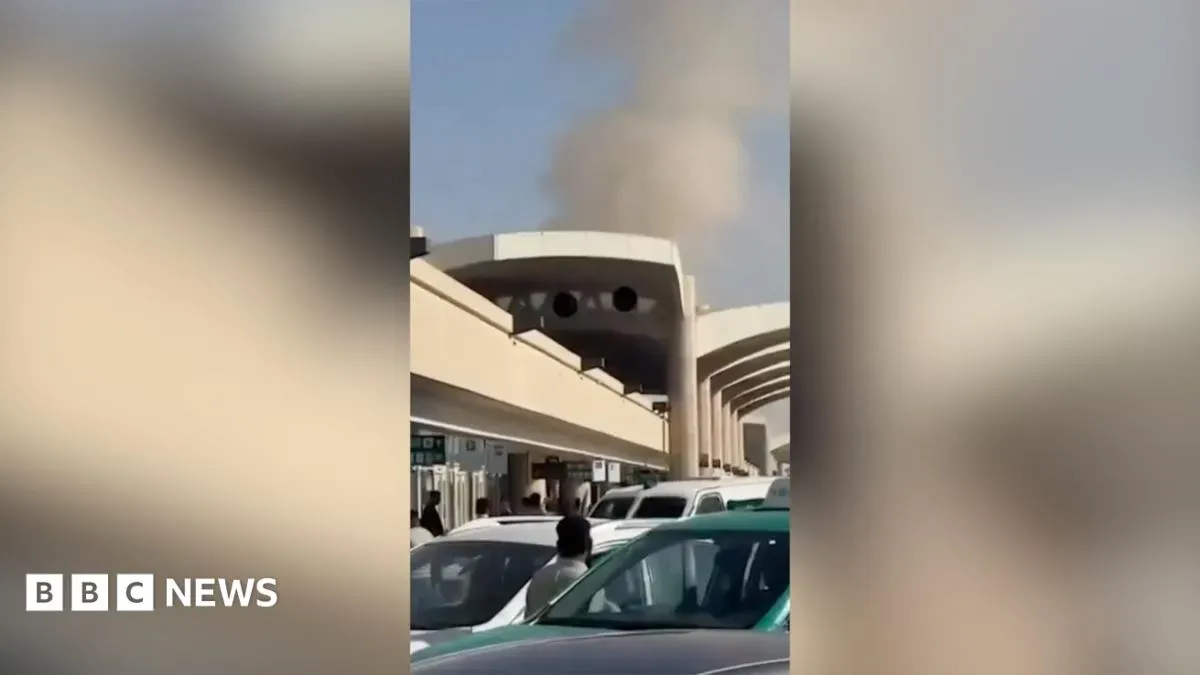
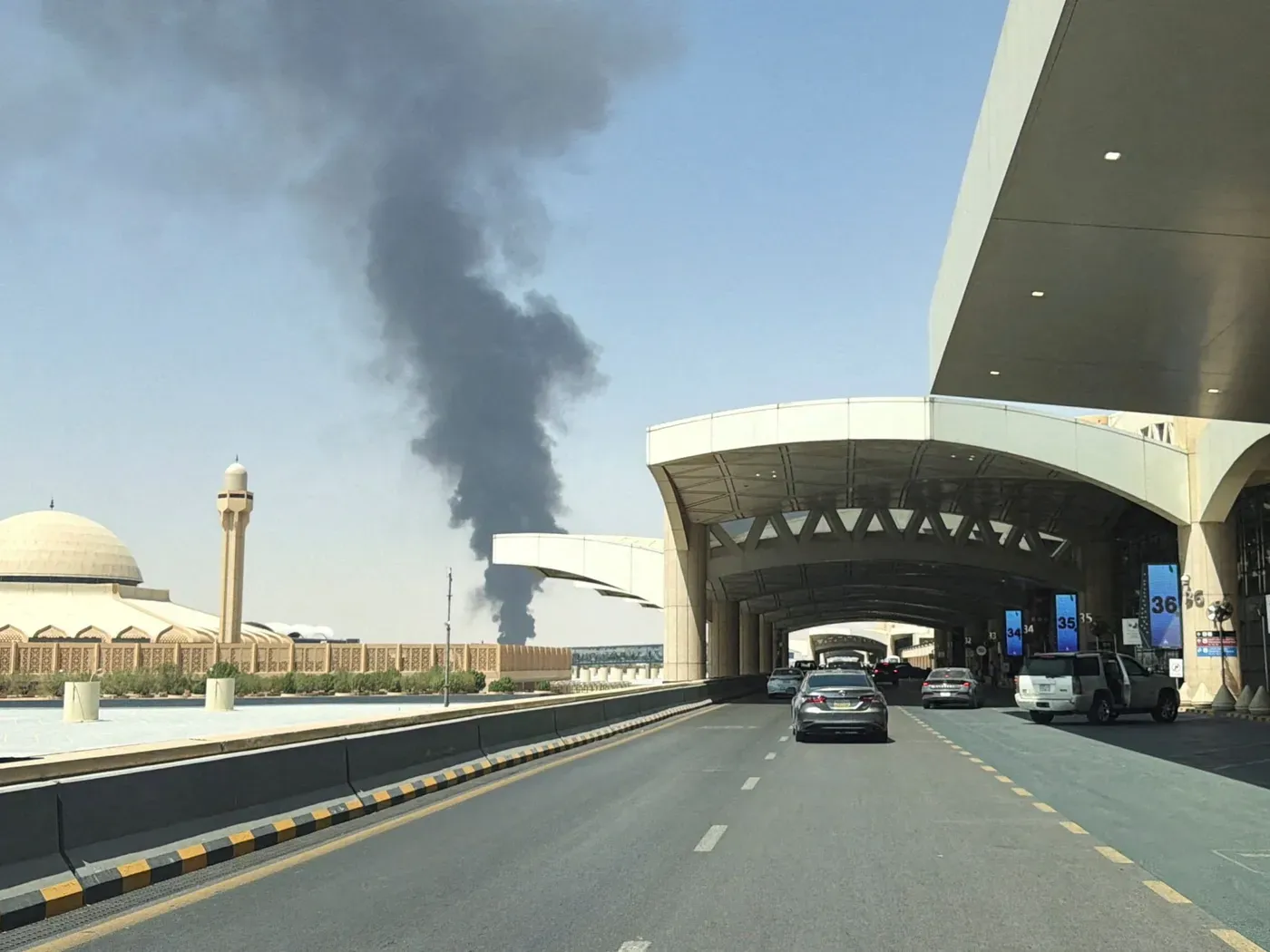
A projectile struck terminal areas at King Khalid International Airport in Riyadh, leaving at least 13 people dead and more than 300 injured.

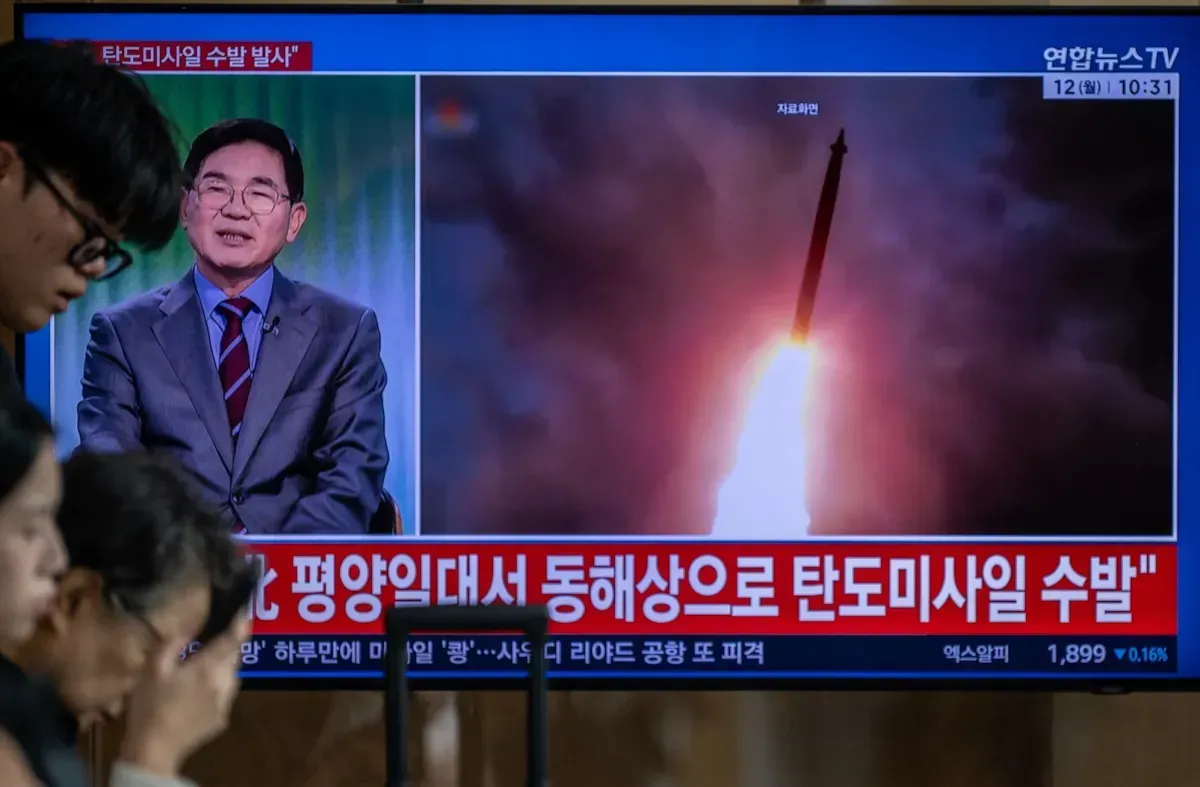
Deadly attacks on two airports in Saudi Arabia over the past week have exposed the vulnerability of air travel to geopolitical conflicts in the Middle East.
The latest assault took place at King Khalid International Airport in Riyadh, where a projectile struck terminal areas, leaving at least 13 people dead and more than 300 injured. This attack marks one of the deadliest incidents in Saudi Arabia's airports in over a decade. The conflict has already forced airlines to re-evaluate their routes and schedules.
Air travel is increasingly caught up in the escalating tensions between countries in the Middle East. Threats and actual attacks have compelled carriers to cancel flights for extended periods, sometimes even months. As a result, some airlines are redirecting planes destined for cities like Dubai and Doha to alternative locations.
Aviation experts warn that this new reality marks a significant shift from previous decades when civil aviation was largely spared from direct targeting. "It's a new paradigm," said Mark Zee, founder of OpsGroup, an independent organization focused on aviation safety.
Airport security protocols are being reevaluated in light of growing threats to aviation, with officials acknowledging that current measures may not be sufficient to protect against emerging dangers.
The focus on preventing unauthorized access to aircraft and airport facilities has long been the primary concern for airport security, but this approach may no longer be adequate given the increasing sophistication of potential threats.
Experts point out that there is currently no foolproof way to defend against drone attacks, which are becoming a major concern due to their ability to evade traditional security measures and cause significant disruption.
The closure of King Khalid International Airport has highlighted the impact of such incidents on air travel and business operations, with several major oil companies pulling out of an energy conference in the country over safety concerns.
The Federal Aviation Administration (FAA) has issued a warning to US carriers about potential safety risks when flying in or over Saudi Arabia. This development comes as Delta Air Lines had been set to debut its new route from New York to Jeddah on February 28.
The introduction of this new service was part of the kingdom's efforts to boost tourism and attract international investment, as outlined in the Vision 2030 plan. The plan aims to diversify Saudi Arabia's economy away from oil and towards more sustainable sectors.
Air traffic in the country has been growing rapidly, with a significant increase in scheduled airplane seats this year compared to 2023, according to data from aviation-data firm Cirium. However, this growth has slowed down recently.
Travelers' willingness to visit the region will depend on their individual risk tolerance, as stated by industry experts. Energy companies tend to have higher risk thresholds due to their reliance on in-person visits to large projects, while academics generally have a lower bar for potential risks.
Western airlines have been forced to adapt their flight routes to avoid potentially hazardous airspace over Russia for four years now. This change of course came about after Russia's invasion of Ukraine in 2022, prompting carriers to reroute flights away from Russian skies.
The detours have not only increased the time and distance of flights but also significantly boosted fuel costs, which have risen even further this year due to ongoing conflicts in the Middle East. Despite a partial recovery in air traffic to Dubai and Doha since a key escalation on February 28, passenger numbers remain below pre-war levels, according to data from flight tracking firm OAG.
The impact of these disruptions is evident in seat capacity across the region, which has declined by 5.7% in October compared to last year, translating to approximately 2.2 million fewer seats available. As a result, some airlines have opted to abandon flights to destinations like Dubai and Doha until regional tensions ease.
Facts based on reporting originally published by CNBC.
You may republish this story, in full or in part, if you credit Noti Group and link to it (licence CC BY 4.0). Photos are not included.