






Two PFAS Linked to Increased Liver Cancer Odds
A recent study has identified two per- and polyfluoroalkyl substances (PFAS) associated with a substantial risk of liver cancer.
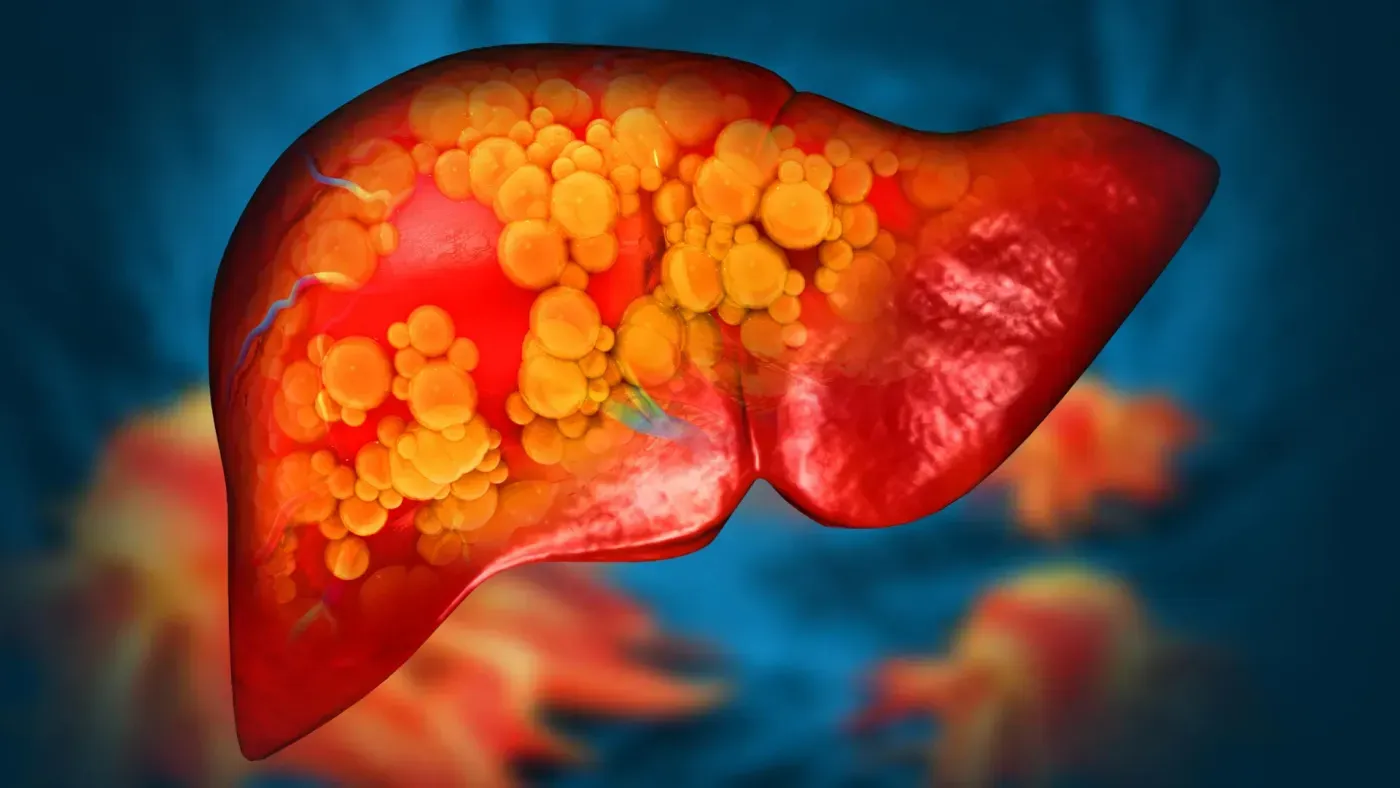
A recent study from the University of Southern California has shed light on two lesser-known "forever chemicals linked to significantly increased odds of developing liver cancer. The researchers identified two per- and polyfluoroalkyl substances (PFAS) associated with a substantial risk of liver cancer.
People who are genetically predisposed to fatty liver disease may be particularly vulnerable to the harmful effects of certain PFAS, which accumulate in the body for years or even decades. This condition, also known as metabolic dysfunction-associated steatotic liver disease (MASLD), is now considered one of the fastest-growing underlying causes of liver cancer.
The widespread presence of PFAS in everyday products has raised concerns about their impact on human health. Hundreds of items contain these substances, including nonstick cookware, food packaging, stain-resistant fabrics, and firefighting foam. Their nickname forever chemicals reflects their ability to resist degradation and persist in the environment for extended periods.
The prevalence of PFAS contamination is alarming, with drinking water systems across roughly half of U.S. water systems testing positive for these substances. Moreover, an estimated 99% of the global population has measurable concentrations of PFAS in their blood, highlighting the widespread exposure to these chemicals.
Research has increasingly linked PFAS exposure to a range of health problems, including disruptions in thyroid function and immune system issues, as well as several types of cancer. The connection between PFAS and liver cancer is particularly concerning, given the poor prognosis for this type of cancer: its five-year survival rate is below 20%.
Researchers believe that exposure to certain types of PFAS can hinder the liver's ability to break down fats, leading to an accumulation of fat in the organ over time.
This interference can contribute to the development of fatty liver disease and potentially increase the risk of cancer, according to lead author Jesse Goodrich, PhD. PFAS have been linked to an increase in fat accumulation in your liver, and over time, that can actually increase the risk of liver cancer, he explained.
A study involving 223 participants who developed hepatocellular carcinoma (HCC) and a matched control group found significant associations between certain PFAS compounds and liver cancer. The team measured concentrations of 12 different PFAS compounds in blood samples collected an average of 7.8 years before the participants' diagnosis.
The Multiethnic Cohort Study (MEC), which has been tracking over 215,000 participants from diverse backgrounds since the 1990s, provided valuable data for this investigation. The study's stored blood samples obtained decades before some participants became ill allowed researchers to examine exposures that precede disease.
PFHpA and PFNA were identified as the two PFAS compounds with statistically significant associations with liver cancer in this study.
The study focused on a subset of PFAS compounds that have received less attention from researchers.
These lesser-known chemicals, including PFHpA and PFNA, were introduced as substitutes for older PFAS compounds like PFOA and PFOS due to concerns about their persistence in the human body.
According to Vaia Lida Chatzi, MD, PhD, professor of population and public health sciences and pediatrics at the Keck School of Medicine, studying only legacy compounds can lead researchers to overlook important associations with liver health.
PFHpA and PFNA were found to have statistically significant associations with liver cancer in this study.
The USC investigation has shed new light on the relationship between inherited genetic characteristics and exposure to forever chemicals, specifically PFHpA.
In a pioneering study, researchers calculated a polygenic risk score to estimate an individual's inherited susceptibility to fatty liver disease based on multiple genetic variations. This allowed them to examine how PFAS exposure may interact with genetic predisposition to influence the likelihood of developing liver cancer.
The association between PFHpA exposure and liver cancer was found to be significantly stronger among individuals with a high genetic predisposition to fatty liver disease.
This suggests that inherited difficulties in processing liver fats and exposure to certain environmental chemicals can reinforce one another, potentially increasing the chances of developing liver cancer when both factors are present.
Medical professionals may soon have new tools at their disposal to identify individuals who would benefit from earlier cancer screening. Assessing both PFAS exposure and genetic susceptibility could help doctors detect liver cancer at an earlier stage, which is associated with substantially better survival rates.
The study's findings have significant implications for public health, particularly in terms of actionable steps individuals can take to mitigate their risk of developing liver cancer.
While previous studies have linked PFAS exposure to various health problems, this research is among the first to investigate its connection to liver cancer specifically. The USC Norris Comprehensive Cancer Center program has received substantial funding from the National Cancer Institute and the National Institute of Environmental Health Sciences to explore the potential contribution of PFAS exposure to liver cancer.
The researchers used data from the Multiethnic Cohort, a diverse group that provides valuable insights into health disparities across different ethnic and demographic groups. According to senior author V. Wendy Setiawan, PhD, this study adds to the growing body of evidence suggesting a link between some PFAS chemicals and liver cancer.
In addition to investigating PFAS exposure, the researchers aim to broaden their investigation to include other environmental exposures that may contribute to cancer development. This long-term goal is to gain a better understanding of how cumulative exposure to various chemicals over a person's lifetime affects cancer risk.
The research team has made significant progress in identifying potential links between PFAS exposure and liver cancer, but there is still much work to be done. Further studies will help build the evidence needed to inform prevention efforts for diverse communities and reduce harmful exposures.
Funding for this research was made possible by grants from the National Cancer Institute and the National Institute of Environmental Health Sciences. The support enabled a thorough investigation into the potential health risks associated with two specific forever chemicals".
The study's findings have significant implications for public health, particularly in communities that may be exposed to these substances through contaminated water sources or other means. To build on this research, further studies are necessary to establish more definitive links between exposure and disease risk.
Facts based on reporting originally published by ScienceDaily Health.
You may republish this story, in full or in part, if you credit Noti Group and link to it (licence CC BY 4.0). Photos are not included.