





Sudan's Darfur and Kordofan regions face increased famine risk due to conflict and drought
A global food crisis monitor reported that half of Sudan is affected by an El Nino-induced drought, exacerbating the impact of conflict and displacement.
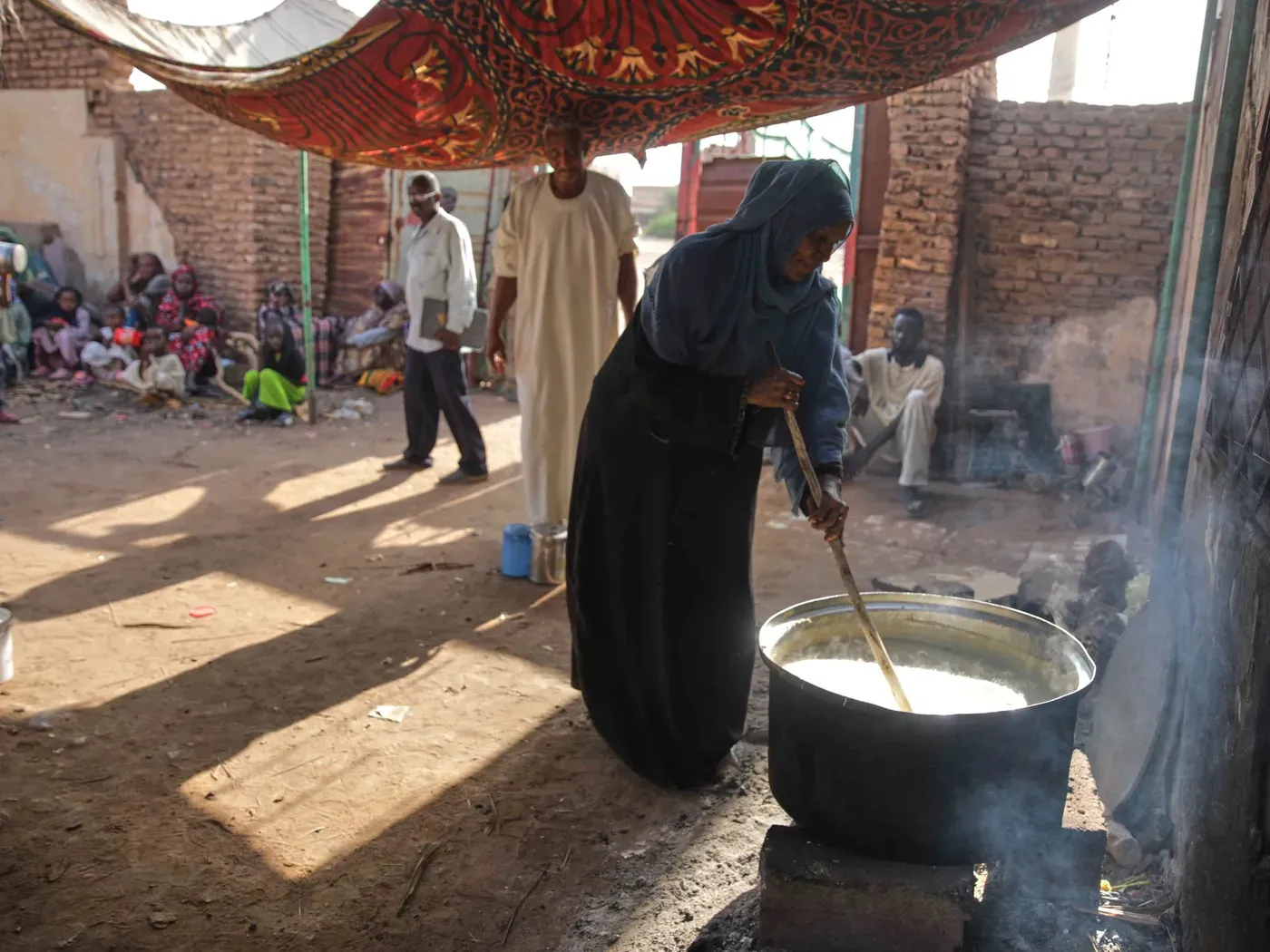
Famine risk in Sudan's Darfur and Kordofan regions has increased significantly due to ongoing conflict and drought, according to a global food crisis monitor.
The Integrated Food Security Phase Classification (IPC) reported that an El Nino-induced drought has affected half of the country, exacerbating the impact of conflict and displacement. This has led to reduced food availability, higher prices, and affected livelihoods in the regions.
In addition to food shortages, the IPC highlighted severe limitations on healthcare services, with many areas having no access to medical care at all. The scarcity of clean water has also become a major concern, leaving a population already struggling with malnutrition highly vulnerable to disease and death.
A global initiative that includes 21 organizations and intergovernmental institutions such as UNICEF, the World Bank, WFP, and WHO is working to enhance food security through the IPC.
The ongoing conflict and drought in Sudan have taken a devastating toll on the country's agricultural sector, affecting nearly two-thirds of cropland in North Darfur and half of that in South Darfur, West Kordofan, and South Kordofan.
Severe water shortages and limited opportunities for recovery are threatening livelihoods in these regions. The IPC has reported a worsening trend in acute malnutrition, with areas such as Nyala experiencing alarming rates of severe acute malnutrition among children accessing nutrition services.
In North Darfur, delayed rains have impacted crop cultivation, while "critically low" food stocks have exacerbated food insecurity. Western Kordofan is suffering its worst drought since 2004 due to poor rainfall.
The IPC assessment in May revealed that nearly 19.5 million people - over 40% of the population - were facing high levels of acute food insecurity, with 135,000 people classified as being in Phase 5, the most severe classification indicating extreme food shortages and malnutrition.
Tensions between Sudan's military and paramilitary Rapid Support Forces (RSF) escalated into open fighting in April 2023, marking the start of the country's ongoing conflict.
The violence has spread across the country, with the army controlling central and eastern regions, while the RSF holds sway over Darfur region in the west and parts of the south. The arid Darfur region, roughly the size of Spain, has been particularly affected by the fighting, with displacement camps being overrun and thousands killed through ethnic cleansing.
The conflict's devastating impact on Sudan's population is evident in the staggering number of displaced people, with approximately 13 million forced to flee their homes since the start of the war.
Facts based on reporting originally published by Al Jazeera.
You may republish this story, in full or in part, if you credit Noti Group and link to it (licence CC BY 4.0). Photos are not included.