


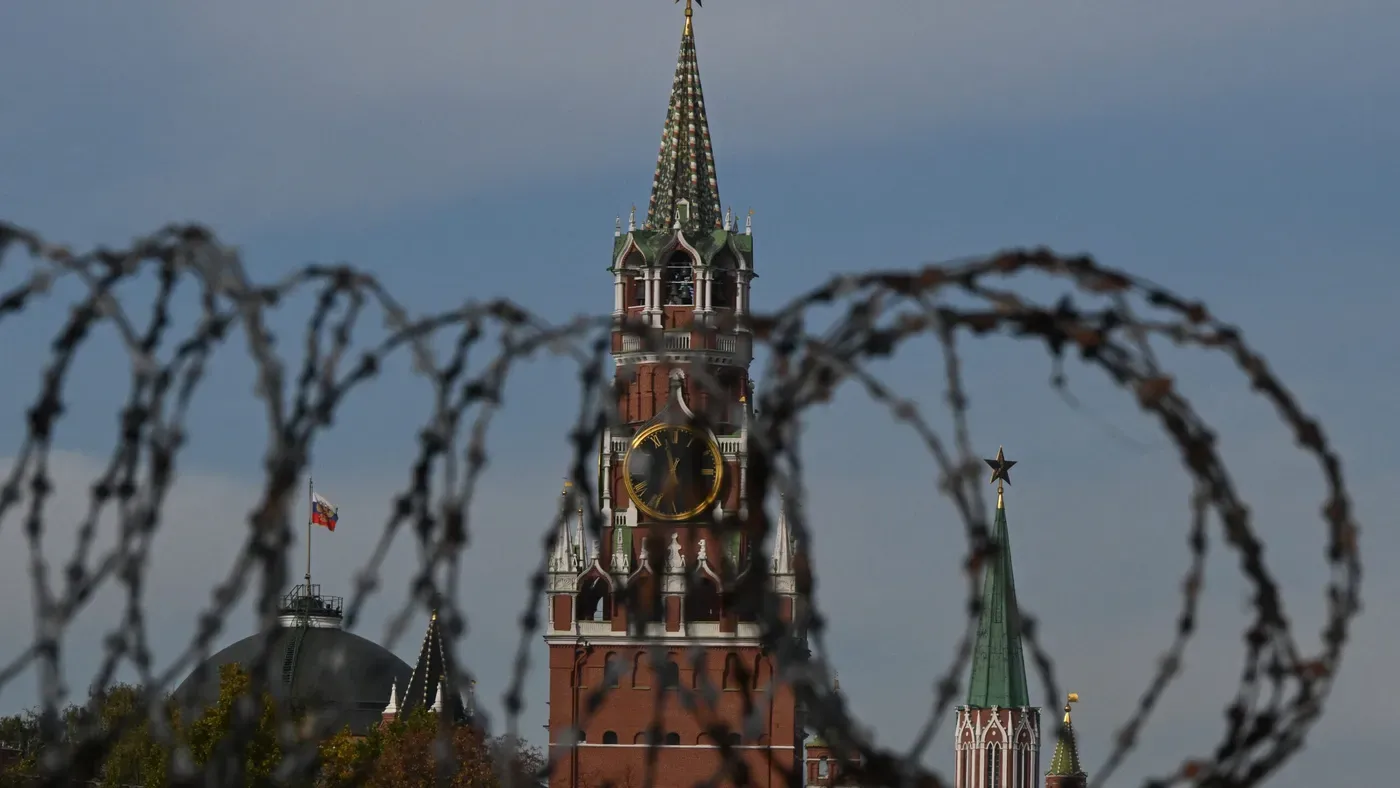


Russian Attacks on Ukrainian Energy Facilities Cause Widespread Power Outages
A series of Russian attacks on Ukrainian energy facilities have resulted in power outages across several regions, causing disruptions to daily life for thousands of people.
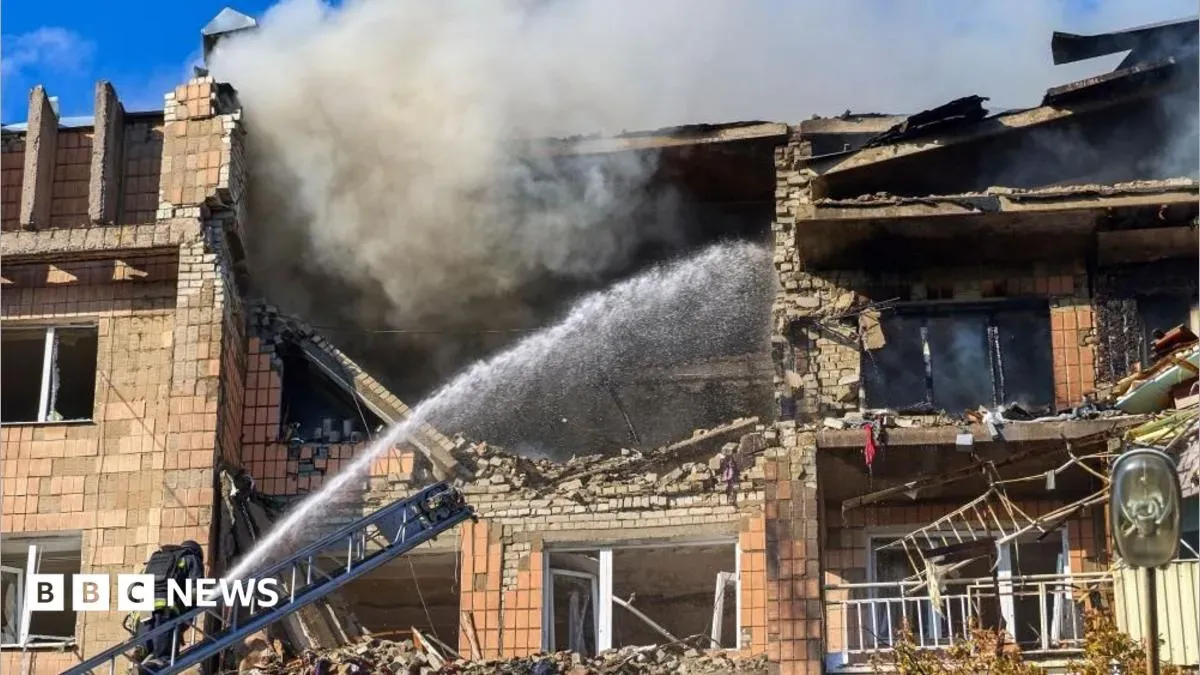
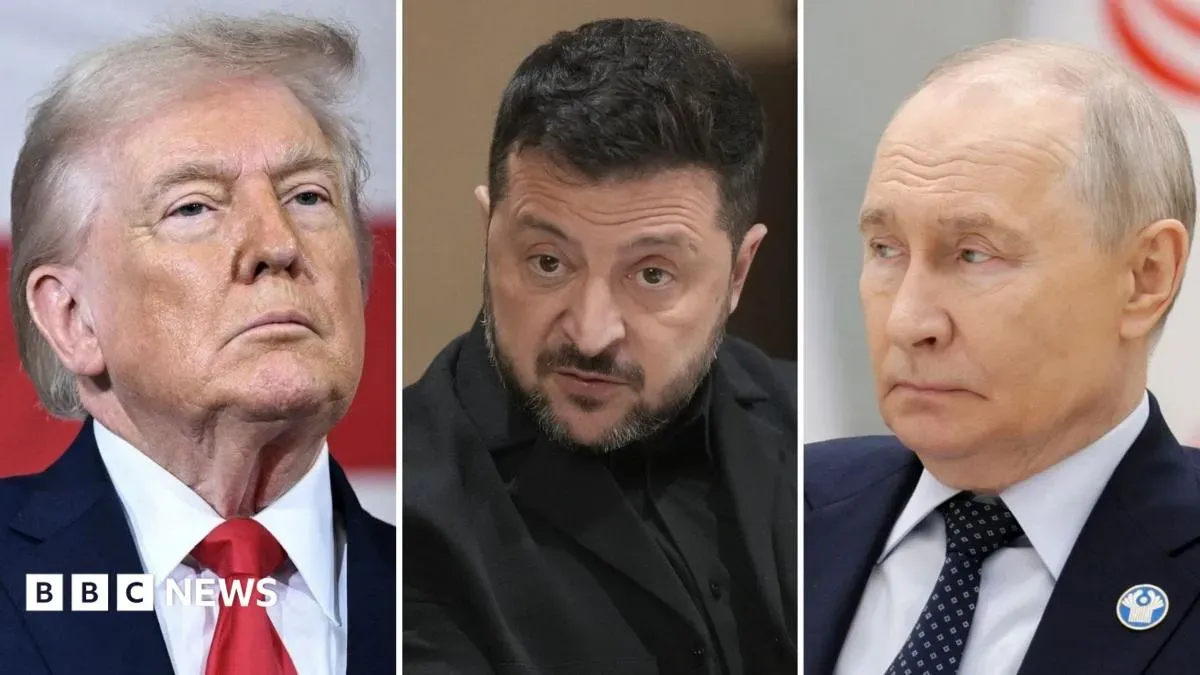
Russia has launched a series of attacks on Ukrainian energy facilities just hours after US President Donald Trump announced an agreement for an energy ceasefire between the two countries.
According to Volodymyr Zelensky, Ukraine's president, Russia targeted six key energy sites including gas stations and other infrastructure. This move comes despite Trump's statement on Sunday that the truce would be effective immediately.
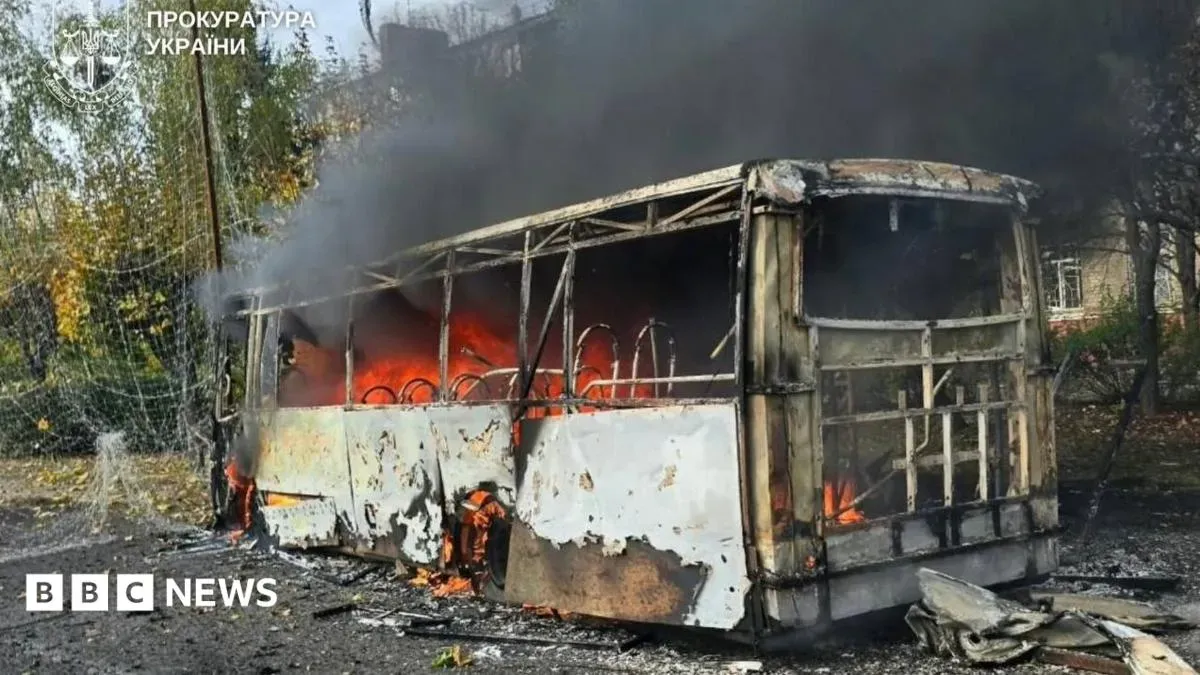
The attacks have resulted in power outages across several regions in Ukraine, with reports of blackouts in the city of Izyum following a Russian strike that destroyed the local power grid. Additionally, energy and railway infrastructure in western Ukraine was also targeted overnight.
Ukraine's state news agency Ukrinform reported the disruptions to power supplies, which have left many residents without electricity. The attacks have caused significant disruption to daily life for thousands of people across the country.
President Zelensky has confirmed that 33 people were injured as a result of the strikes on energy facilities across Ukraine.
Electricity rationing has been implemented in certain regions of Ukraine to prevent overloading damaged infrastructure, according to Ukrenergo. This measure aims to mitigate the impact of recent strikes on energy facilities. The decision comes as Ukraine faces a significant challenge in maintaining its power grid after repeated attacks.
President Zelensky took to social media platform X to express his views on the latest developments. He stated that Russia's actions demonstrate its unwillingness to accept an energy ceasefire, which was initially proposed by former US President Donald Trump. This stance contradicts Zelensky's earlier position when he welcomed the idea of a truce as a significant step towards ending the conflict.
In Kyiv, a residential building in the Darnytskyi district suffered damage from a drone strike on Monday evening. Mayor Vitali Klitschko reported that one person had lost their life and 11 others were injured in the incident. The attack also set several cars ablaze in the building's courtyard.
The recent escalation of strikes on energy infrastructure has been ongoing for months, with both Ukraine and Russia engaging in tit-for-tat attacks. These exchanges have disrupted energy supplies on both sides of the conflict. Moscow claims that its targets are legitimate military objectives supporting Ukraine's operations.
Data from BBC Verify suggests a significant increase in strikes targeting Russian-controlled oil and gas facilities in 2026 compared to the same period last year. The analysis highlights the ongoing pattern of escalation, with both parties intensifying their attacks ahead of winter.
The escalation of tensions between Ukraine and Russia has been evident in recent months, with a significant increase in reported Russian attacks on Ukrainian energy sites. According to data from the Armed Conflict Location and Event Data project (Acled), this year has seen 2.4 times as many reported Russian attacks targeting Ukraine's energy network compared to previous periods.
The situation is further complicated by the efforts of US President Donald Trump, who has been urging Ukraine to cease its strikes on Russian oil infrastructure. This move comes in an attempt to facilitate a recent deal between Russia and the US, which would allow for the release of diesel fuel onto the global market. In exchange, the US has temporarily lifted sanctions on energy imports from Russia.
The deal has sparked mixed reactions among European officials, with some expressing support for Trump's call for a sustained energy ceasefire. UK Prime Minister Andy Burnham, for instance, stated that Britain "strongly supports this initiative. Meanwhile, EU foreign policy chief Kaja Kallas noted that the bloc would welcome an energy ceasefire, but only if it is reciprocated by Russia.
However, not all European officials share this optimism. Estonia's foreign minister has expressed skepticism about the effectiveness of the ceasefire, stating that it is not working". Despite these mixed signals, the situation remains tense, with both sides continuing to engage in escalating attacks ahead of winter.
- Volodymyr Zelensky
- Vitali Klitschko
- #DonaldTrump
- #VolodymyrZelensky
- #VitaliKlitschko
- Film and TV premieres
Facts based on reporting originally published by BBC News World.
You may republish this story, in full or in part, if you credit Noti Group and link to it (licence CC BY 4.0). Photos are not included.