






SpaceX Shifts Focus Away from Traditional Launch Contracts
The US space program's reliance on private companies like SpaceX may be evolving as the company scales back its involvement with the government.

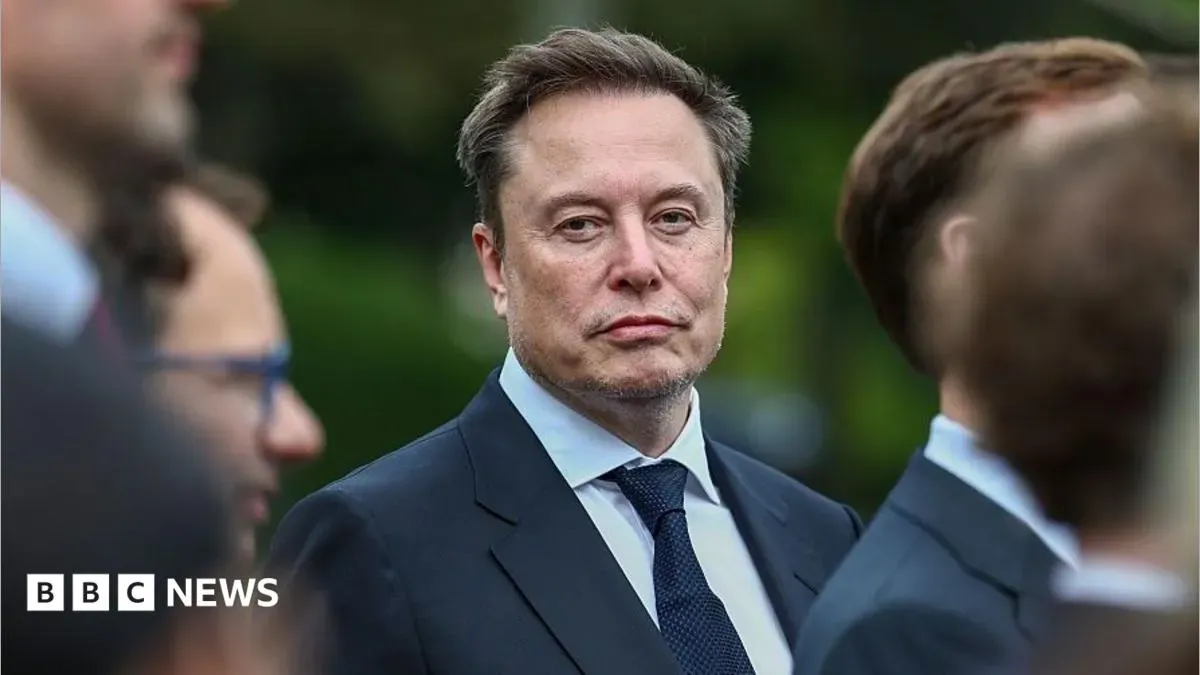
SpaceX has been a key player in the US space program for nearly two decades, thanks in large part to the efforts of its CEO Elon Musk and president Gwynne Shotwell. The duo has consistently delivered high-quality products to the government at lower costs than their competitors.
Their success was not without its challenges, as they faced opposition from established players like Boeing and Lockheed Martin, as well as regulatory hurdles. However, Musk and Shotwell persevered, suing when necessary and advocating for fair playing fields.
As a result of their hard work, SpaceX has become an indispensable contractor to the US government, providing services such as launch vehicles and cargo transport. The company's Dragon spacecraft has been a crucial component of NASA's cargo program, delivering essential supplies to the International Space Station.
SpaceX's relationship with the government has evolved significantly over time, shifting from one of dependence on government contracts to one of mutual reliance. While the company still fulfills its existing obligations, it appears increasingly disinterested in pursuing new contracts outside of specific areas like data services.
One such area is Starshield, a military communications and observation system that leverages SpaceX's expertise in satellite technology. Despite this focus on specialized projects, there are indications that SpaceX may be scaling back its involvement with the US government more broadly.
Lori Garver, a former NASA deputy administrator, seems to be struggling to come to terms with this new reality. She notes that she "cannot wrap my head around a future yet where SpaceX stops flying Dragon and Falcon."
The question remains whether SpaceX's shift in focus is a temporary adjustment or a more permanent change in the company's business strategy.
SpaceX's shift away from traditional launch and in-space flight contracts has raised questions about its long-term commitment to serving NASA and the US government. The company has been reducing its reliance on these types of deals, signaling a potential change in its business strategy.
This move comes after 15 years of SpaceX partnering with the US government to provide low-cost and innovative spaceflight services. During this period, the company's collaboration with NASA revitalized America's access to space, offering a more affordable and efficient way to launch satellites and cargo into orbit.
For SpaceX, prioritizing artificial intelligence as its future revenue source may be seen as a savvy business decision, especially considering the billions of dollars it would have had to leave on the table in government contracts. However, this shift raises concerns for NASA and the US Space Force, which are facing growing challenges from China's rising space program and Russia's aging infrastructure.
The partnership between SpaceX and NASA has been instrumental in advancing US space capabilities. In 2006, a $278 million award to develop a cargo delivery spacecraft helped SpaceX expand rapidly during its early days. This contract was followed by an even more significant award in December 2008, worth $1.6 billion for a dozen Dragon cargo flights to the International Space Station.
This funding arrived at a critical time for SpaceX, which was struggling to meet payroll and develop the Falcon 1 rocket. The partnership between NASA and SpaceX helped stabilize the company's finances and paved the way for future collaborations. Over the past two decades, NASA has awarded contracts worth approximately $20 billion to SpaceX, cementing their mutually beneficial relationship.
The impact of SpaceX's shift in focus on its partnership with NASA is still uncertain. While some see it as a natural evolution of the company's business strategy, others worry that it may signal a decline in US spaceflight capabilities. As the US government confronts growing challenges from China and Russia, the need for reliable partners like SpaceX is more pressing than ever.
The question remains whether this shift is a temporary adjustment or a permanent change in SpaceX's priorities. If the company is indeed moving away from traditional launch and in-space flight contracts, it could have significant implications for NASA and the US Space Force, which rely on these services to advance their missions.
SpaceX's success in winning national security contracts for the US military has been a game-changer for the company. In 2014, Elon Musk and Gwynne Shotwell filed a lawsuit against the US Air Force to challenge the exclusive contract held by United Launch Alliance.
The lawsuit was successful, with SpaceX eventually being allowed to bid on national security launch contracts. This move proved beneficial for the military, as launch costs plummeted after SpaceX became a major player in the industry.
Today, SpaceX's Falcon 9 and Falcon Heavy rockets are the only viable option for large-scale satellite launches required by the US military. The company has consistently delivered spaceflight services to the government on time and within budget, whereas other contractors have struggled with delays and cost overruns.
SpaceX's dominance in the market is a result of its ability to deliver complex missions efficiently and effectively. In contrast, no other commercial space company has been able to match SpaceX's level of success over the past 15 years.
NASA had attempted to support competitors such as Blue Origin, Sierra Space, Rocket Lab, Orbital Sciences, Boeing, and others in order to reduce reliance on a single provider. However, despite receiving significant funding, these companies have failed to achieve the same level of success as SpaceX.
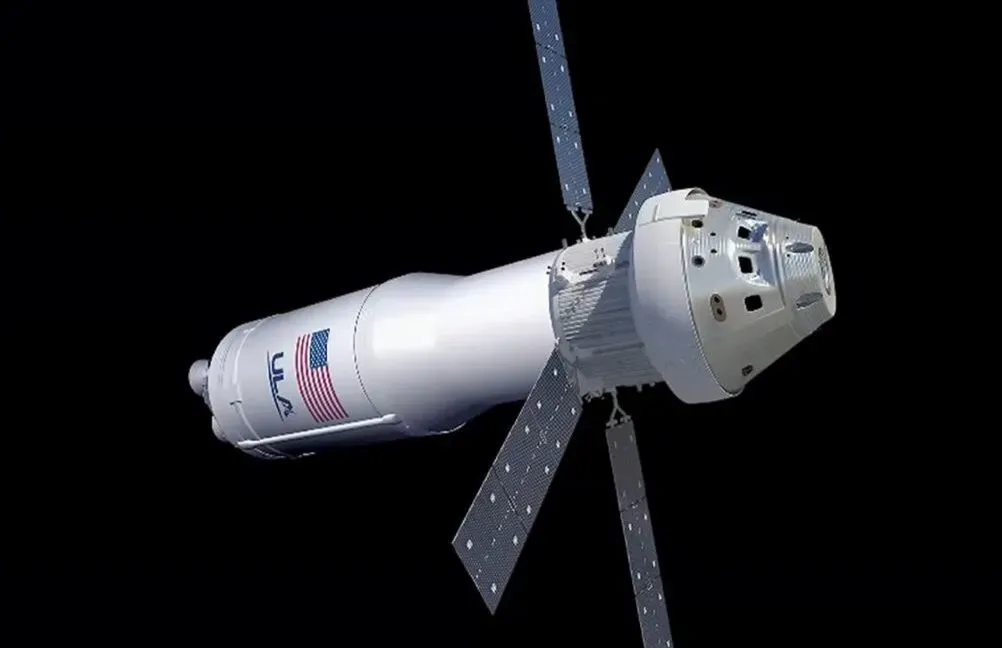
The US military invested $2 billion in United Launch Alliance's rocket development, hoping it would provide an alternative to Falcon 9. However, this effort has yet to bear fruit, and SpaceX remains the go-to choice for national security launches.
SpaceX's achievements have had a significant impact on NASA's operations. In mid-2020, the company successfully flew astronauts Doug Hurley and Bob Behnken to the space station, ending NASA's reliance on Russian transportation services since 2011.
This achievement marked a major turning point in the relationship between SpaceX and NASA, with the agency now having an alternative option for transporting its astronauts.
NASA's reliance on private contractors has become increasingly evident, particularly when it comes to its lunar ambitions. The space agency turned to SpaceX once again in 2021, this time seeking a Moon lander that could be developed within its limited budget. Congress had only allocated funds for what was essentially a champagne project, but NASA needed something more substantial.
In response, NASA received three proposals from private companies vying to develop a lunar lander. While none of these options were ideal, SpaceX's $2.89 billion proposal stood out as the most feasible given its budget constraints.
The agency's decision to partner with SpaceX was not without controversy, however. Critics argued that Starship presented an oversized and technically demanding solution for what should be a relatively straightforward mission. Nevertheless, NASA had limited alternatives, making SpaceX its only viable option at the time.
As a result of this partnership, NASA found itself increasingly dependent on SpaceX for two of its most critical programs: the Artemis Program to land humans on the Moon and the International Space Station. This power imbalance became even more pronounced as the years went by.
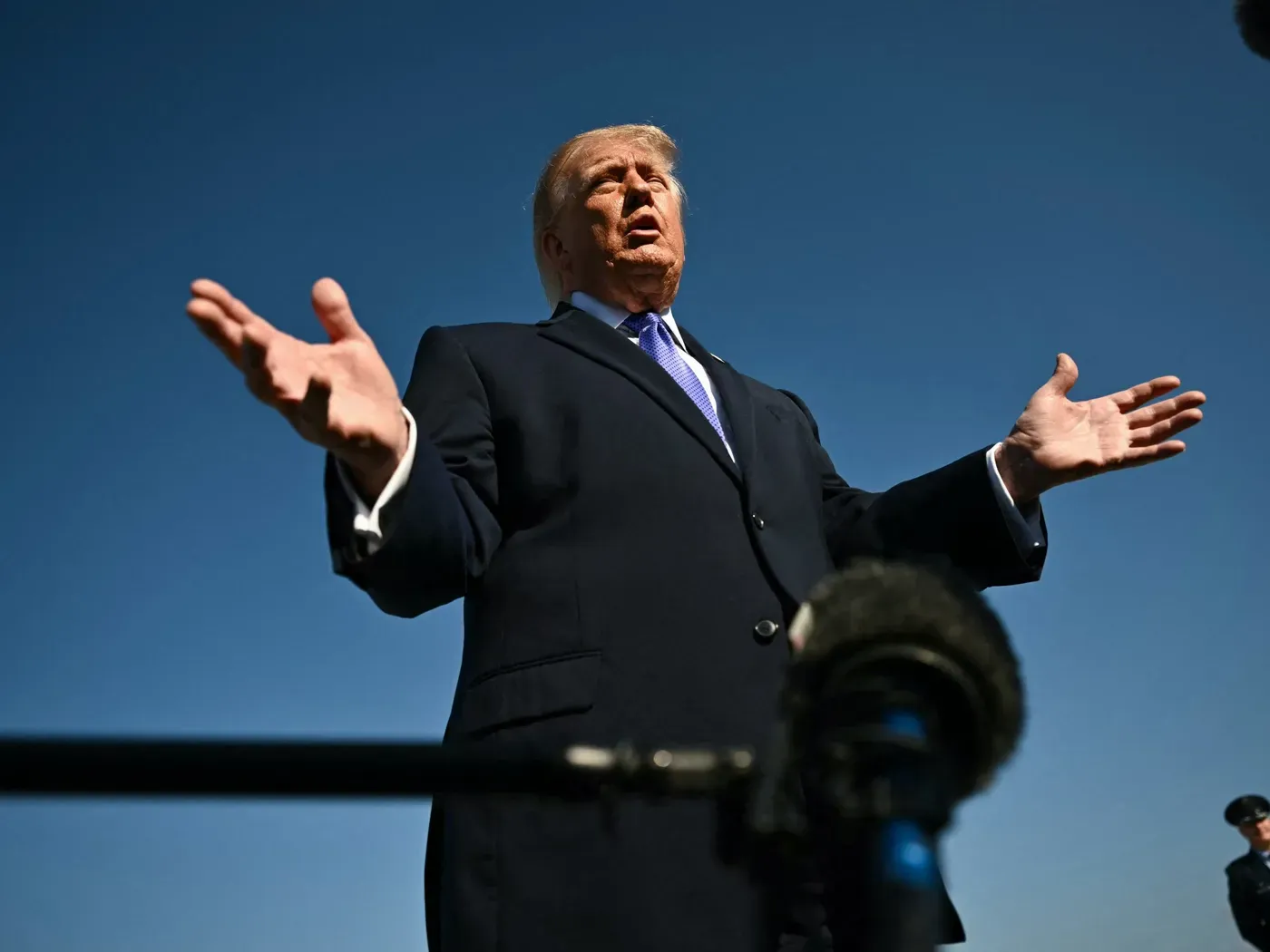
The relationship between SpaceX and NASA took a public turn in June 2025 when tensions arose between Elon Musk and President Trump. The president threatened to terminate SpaceX's government contracts, prompting Musk to retaliate by threatening to decommission the Dragon spacecraft.
While this standoff ultimately subsided, it highlighted the precarious nature of their partnership. A Pentagon review conducted in July 2025 revealed that many of SpaceX's contracts with the US Department of Defense were essential and could not be easily replaced.
Musk's response to Trump's threat underscored the fact that SpaceX was no longer beholden to the government for its survival. With the company now playing a crucial role in several high-profile space programs, it had become clear that the US government needed SpaceX more than vice versa.
Critics have argued that this shift in power dynamics is detrimental to the country's interests, with one expert describing Musk's actions as "utterly irresponsible.
SpaceX's acquisition of xAI has been driven by Elon Musk's growing conviction that artificial intelligence is the key to unlocking the next industrial revolution.
This vision has led Musk to focus on building a comprehensive AI ecosystem, encompassing software, hardware, and computing power for both terrestrial and space-based applications.
The potential merger between SpaceX and Tesla would give Musk even more control over his companies' assets, which he could then deploy towards developing data centers, autonomous vehicles, robots, and massive rockets.
Musk's ambition is to create a vertically integrated AI powerhouse, capable of designing and manufacturing the chips and infrastructure needed for data centers, as well as developing and training the AI models that will provide its intelligence.
Critics argue that this shift in focus away from traditional space technology, such as the Dragon spacecraft and Falcon 9 rocket, could have far-reaching consequences for the US space program.
Musk has expressed frustration with the government's slow pace and lack of ambition in pursuing space-related projects, often likening working with them to navigating through treacle.
As a result of his growing disillusionment with traditional space technology, Musk is now exploring alternative means of accessing space, which could potentially disrupt the existing industry landscape.
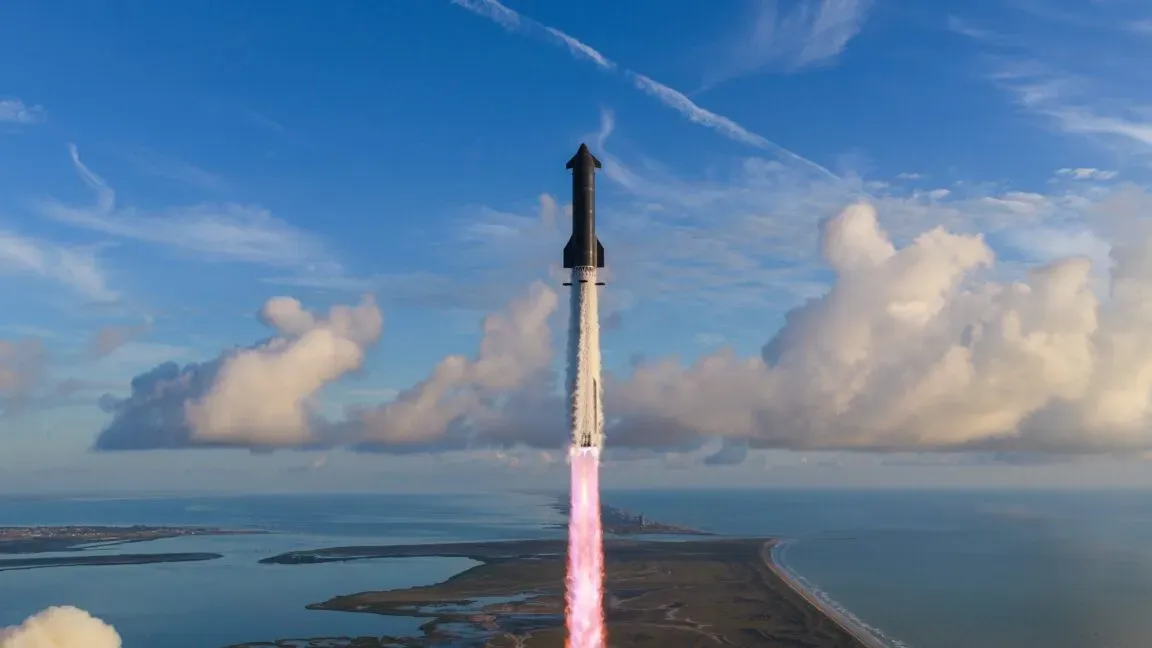
SpaceX's ambitious plans for Starship have led to significant investments from Elon Musk, totaling around $15 billion so far. This substantial funding is being used to develop various components of the massive rocket, including its engines and launch sites in Texas and Florida.
The development of Starship was initially seen as a win-win situation for both NASA and the commercial space industry. The US government had planned to use Starships for its Artemis Program, which aimed to land on the Moon. Meanwhile, private companies were looking forward to frequent and affordable access to space through the launch capabilities offered by Starship.
However, recent developments have raised concerns about SpaceX's commitment to deploying payloads in orbit using the Starship rocket. The company had initially published a Starship Users Guide" in March 2020, which included details on a payload fairing with a clamshell structure designed to open once in space and deploy payloads. But there has been little evidence of progress in this area.
The lack of development in this area is particularly concerning since SpaceX had promised to support Falcon-compatible payload adapters for Starship. This would have allowed existing satellites and other payloads to be easily integrated into the new rocket, but it seems that these plans are no longer being pursued, raising questions about the future of the commercial space industry.
Facts based on reporting originally published by Ars Technica.
You may republish this story, in full or in part, if you credit Noti Group and link to it (licence CC BY 4.0). Photos are not included.