






NASA Outlines Plans for Artemis Program and Lunar Return by 2028
The agency has outlined its plans for returning astronauts to the lunar surface as part of its Artemis Program, with a target date of 2028.
NASA has outlined its plans for returning astronauts to the lunar surface as part of its Artemis Program, with a target date of 2028. The agency held a news conference on Friday to provide details on how it intends to achieve this goal.
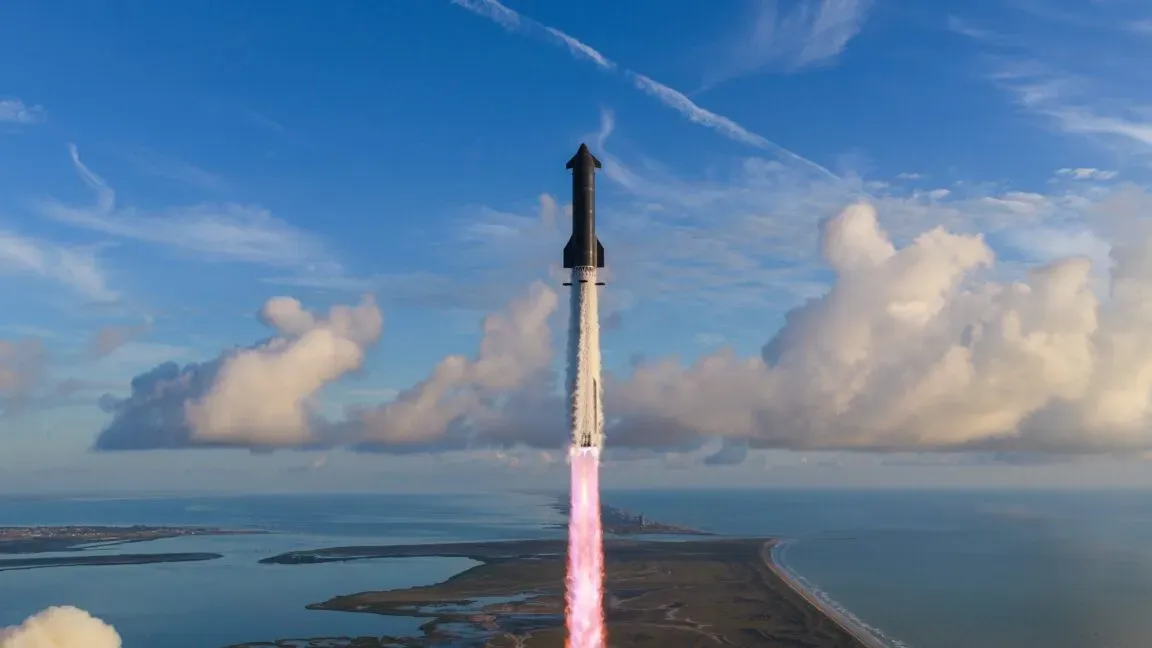
A key aspect of NASA's revised plan is the way it will utilize private spacecraft and launch vehicles. According to the presentation, SpaceX's Starship vehicle will dock with the Orion spacecraft in high-Earth orbit before making its journey to the Moon. This change marks a significant shift from previous plans.
In contrast, Blue Origin's mission architecture includes four launches of the New Glenn rocket, but does not involve refueling one spacecraft from another. Instead, the Blue Origin plan allows for the possibility of its Blue Moon lander rendezvousing with Orion in low-Lunar orbit.
NASA officials have reaffirmed their commitment to launching the Artemis III mission by summer 2027, which will serve as a demonstration involving docking near Earth with both Blue Moon and Starship. They also continue to track toward a 2028 launch of Artemis IV, which would involve an actual lunar landing.
The agency's Administrator Jared Isaacman expressed confidence in NASA's ability to execute its plans, stating that the agency has "the mandate, we have the resources, and the support from our stakeholders to be able to execute."
NASA's Artemis Program has undergone significant changes to accommodate the needs of its lunar lander companies. The agency's Administrator Jared Isaacman expressed confidence in NASA's ability to execute its plans earlier this year. However, the question remains whether these new plans can be implemented within the proposed timeline.
SpaceX engineers had been pushing for a change in the requirement to dock with Orion in a near-rectilinear halo orbit around the Moon. This maneuver was energy-intensive and presented several challenges. With NASA's decision to cancel the Lunar Gateway earlier this year, this problem has been resolved for SpaceX.
The revised plan involves fueling a Starship lunar lander in low-Earth orbit before docking with Orion in high-Earth orbit. The crew will then fly to the Moon inside Orion before transferring into Starship for a landing on the Moon's surface. This change is expected to simplify the mission and reduce the energy requirements.
A key concern surrounding SpaceX's architecture is the number of refuelings required to top off a Starship for a lunar mission. According to reports, NASA officials have indicated that the current estimate is "about 22 tanker launches. However, this figure has been disputed by Elon Musk, who claims it will be significantly lower.
The exact number of refueling launches remains uncertain due to several factors. These include the lift capacity of Starship, as well as the efficiency of transferring cryogenic methane and liquid oxygen between ships in orbit. The process of propellant transfer is also a source of uncertainty.
NASA officials have declined to provide a precise estimate for the number of refueling launches required. This lack of clarity highlights the ongoing challenges faced by SpaceX's lunar lander program, which continues to rely on significant technological advancements and logistical planning.
NASA Administrator Jared Isaacman has clarified the estimated number of launches required by Elon Musk's Starship to reach the Moon, stating that while 6 to 8 launches are possible, it represents an ultimate potential end state for the spacecraft.
In response to NASA's call for a faster approach to lunar missions, Blue Origin has revised its plans. The company will no longer require refueling between vehicles for initial missions, which could significantly streamline its operations and reduce costs.
Blue Origin's revised concept of operations involves launching three transfer stages" into low-Earth orbit using a New Glenn rocket. These transfer stages are modified versions of the Blue Moon Mark 1 lander and will play a crucial role in propelling the spacecraft to the Moon.
Once in orbit, the New Glenn rocket will launch the Blue Moon Mark 2 lander, which will rendezvous with the transfer stages and continue on to the Moon. This approach is not new, but NASA has revealed a significant change that could impact the mission's success.
A chart shared by NASA shows Orion docking with the Blue Moon lander in an elliptical lunar orbit approximately 8,500 km above the Moon's surface. However, the agency is also exploring the option of docking with Orion in low-Lunar orbit, which would significantly reduce the propellant needed for landing and takeoff.
According to Jeremy Parsons, manager of the Artemis Program at NASA, a low-lunar orbit just a few hundred km above the Moon would greatly simplify the lunar landing process. It would also provide more opportunities for astronauts to quickly leave the lunar surface if needed, reducing the mass required for propellant and freeing up space on the vehicle for other uses.
NASA's Orion spacecraft has long been plagued by a critical issue: its inability to reach low-lunar orbit from Earth and return safely. This limitation had forced the agency to rely on workarounds, such as the Lunar Gateway, which placed it in a near-rectilinear halo orbit accessible by Orion.
The problem was further complicated by the fact that lunar lander companies were left to bear the burden of performance required to reach the Moon's surface. To alleviate this issue, NASA has been working closely with these companies to provide assistance and support whenever possible.
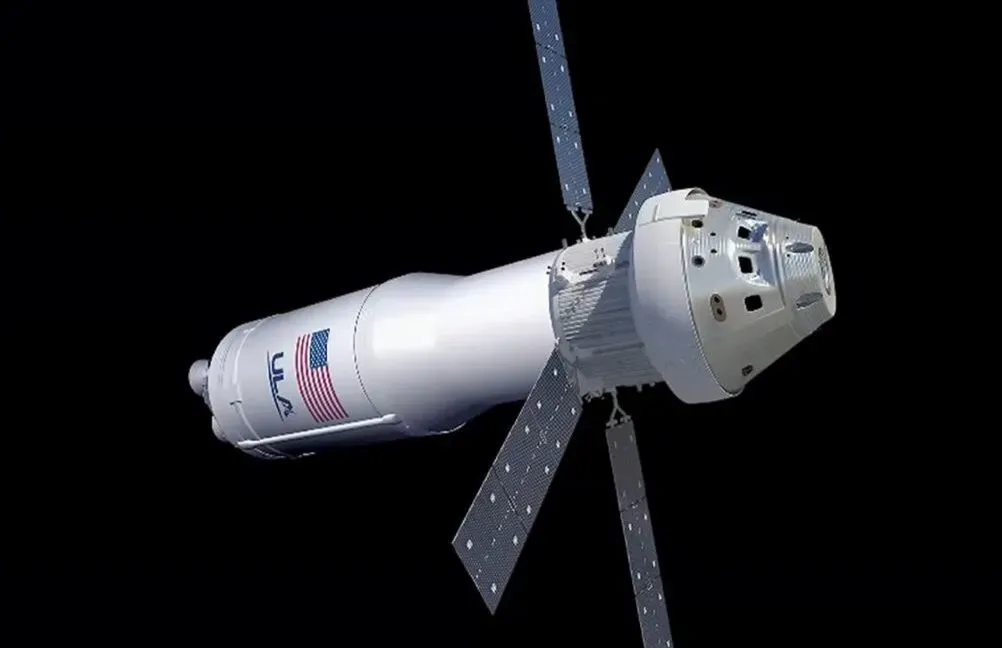
To address the propulsion and spacecraft integration problems holding back Orion, NASA is now collaborating with United Launch Alliance to develop an extended version of the Centaur V upper stage. This new design will enable Orion to reach low-lunar orbit when paired with the core stage of the Space Launch System.
The extended Centaur V upper stage represents a major breakthrough for NASA's lunar lander program. By allowing Orion to enter low-lunar orbit, the agency can significantly reduce the mass required for propellant and free up space on the vehicle for other uses.
This development is expected to have far-reaching benefits for the entire lunar landing effort. With Orion closer to the Moon, lunar lander companies will face fewer challenges in reaching the surface, making their mission timelines more feasible.
The successful integration of Orion with the extended Centaur V upper stage marks a significant milestone in NASA's efforts to return humans to the Moon. By solving this long-standing issue, the agency has paved the way for a safer and more efficient lunar landing program.
Facts based on reporting originally published by Ars Technica.
You may republish this story, in full or in part, if you credit Noti Group and link to it (licence CC BY 4.0). Photos are not included.