






Product-market fit becomes increasingly elusive in AI-driven landscape
Startups are achieving rapid growth but struggle to secure long-term commitments from customers.

The concept of product-market fit has become increasingly elusive in today's AI-driven landscape. Despite startups achieving remarkable growth rates, it appears that not all customers are loyal and products can be easily replicated.
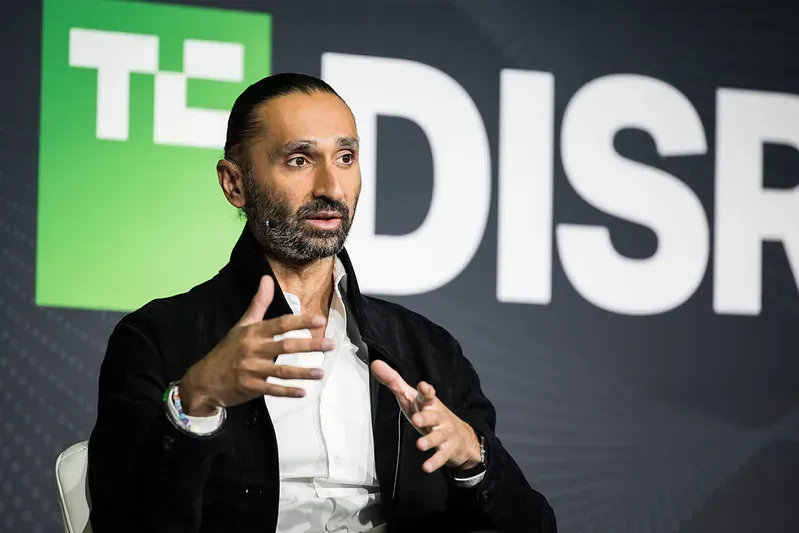
At a recent TechCrunch Disrupt event, Anu Bharadwaj, partner at Iconiq, pointed out the challenges faced by founders in achieving product-market fit. "It's never been easier to gain a bunch of pilots because lots of companies across the board are open to trying new things," she noted.
However, Bharadwaj emphasized that securing long-term commitments from customers is a far more difficult task. "Going from pilot to production is really the hard thing," she said, highlighting the disparity between short-term gains and sustainable growth.
The ease with which companies can now try out new products has led to a proliferation of fake or inflated revenue metrics, making it increasingly challenging for investors to discern genuine success from hype. Bharadwaj warned that founders often obscure the truth by presenting ambiguous figures.
Founders are being called out on social media platforms for inflating their Annualized Run Rate (ARR) numbers by counting pilot customers who may only use a product for a short period of time, thereby overstating expected revenue.
When evaluating a company's revenue quality, honesty is crucial. According to Bharadwaj, companies should separate hype from reality by being transparent about the type of revenue they're generating. This involves looking beyond surface-level numbers and examining the underlying dynamics driving sales.
One red flag is when a small number of customers account for a significant portion of a company's revenue. This can indicate that the product or service is not resonating with a wider audience, making it difficult to sustain long-term growth. Additionally, if customers are easily swayed by competitors offering better prices, this can also be a cause for concern.
To gauge customer loyalty and retention, Vohra recommends tracking engagement metrics such as dollar retention. This involves monitoring how much revenue is generated from repeat customers over time. By setting benchmarks specific to their industry or niche, startups can gain a more accurate understanding of what constitutes success in their space.
Superhuman's founder employed an internal metric called "delighted ARR" to measure the stickiness of its customer base. This metric focused on revenue generated from highly engaged users who were likely to remain loyal to the product. By tracking this metric, Superhuman was able to identify areas where it needed to improve user experience and retention.
The company's emphasis on serving its most loyal customers paid off in the long run. Vohra noted that these dedicated users remained with Superhuman even when alternative options became available. This loyalty was a testament to the product's value proposition and its ability to meet the needs of its core customer base.
When assessing whether a startup has achieved product-market fit, it's essential to have open and honest conversations with customers. Vohra advises founders to ask their customers about the value they derive from the product and how they would feel if they could no longer use it. By doing so, founders can gain a deeper understanding of their customers' needs and make informed decisions about their product roadmap.
Founders who are struggling to achieve product-market fit may need to consider a complete overhaul of their business. According to Vohra, if a startup's traction is below 15%, it's likely time to start from scratch with a new codebase and team.
However, the situation changes when a company reaches around 20% traction. At this point, founders can focus on optimizing their product to reach higher levels of success. This approach may not require a complete pivot, but rather a series of adjustments to improve performance.
At the seed level, it's common for startups to make significant changes as they navigate the market. According to Barudvaj, having a plausible vision is just as important as demonstrating product-market fit at this stage. Founders need to be agile and adaptable in order to respond to changing circumstances.
Dham emphasizes that making multiple pivots can actually be a sign of strength for founders. It shows they're willing to take calculated risks and make tough decisions in response to shifting market conditions.
The message from Dominic, founder of Superhuman Mail, highlights red flags about product-market fit that venture capitalists are increasingly concerned about.
Boston Buy One Pass, Get a Second Free offers TechCrunch's ultimate founder bootcamp experience at a discounted rate for founders who bring their co-founder or partner along. This limited-time deal is available until the BOGO offer expires.
The startup ecosystem is witnessing significant developments, including Warhound's $200M funding to engineer war dogs and arm them with Anduril gear. Other notable news includes Uber putting all 30,000 employees on ChatGPT and Airbnb limiting chores for guests amidst backlash from hosts.
Facts based on reporting originally published by TechCrunch.
You may republish this story, in full or in part, if you credit Noti Group and link to it (licence CC BY 4.0). Photos are not included.