







Southeast Asian cinema looks to build on global recognition momentum
Countries in Southeast Asia need to integrate film into their cultural strategies to sustain their cinematic growth.
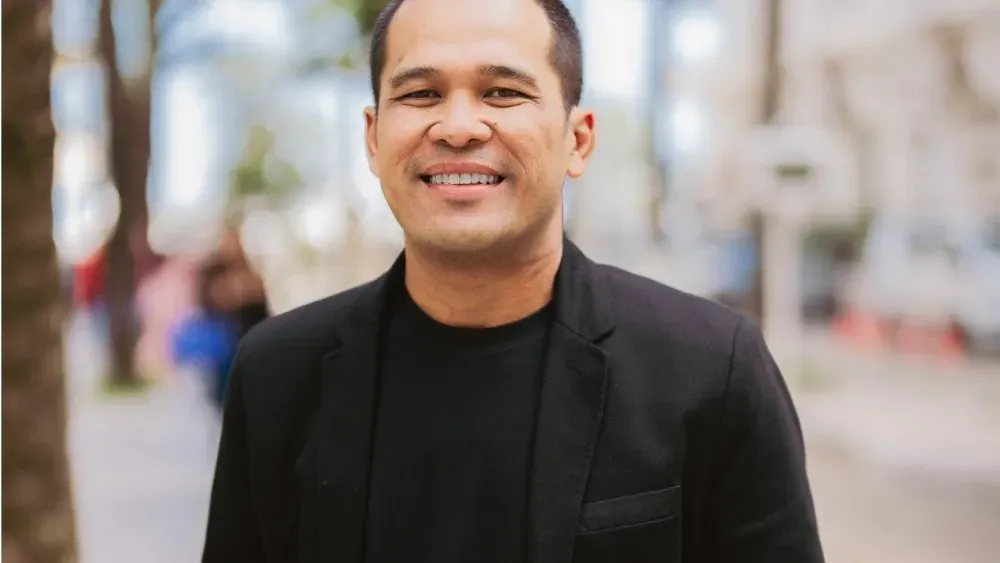
Southeast Asian cinema has made significant strides in terms of quality and global recognition, according to Ifa Isfansyah, festival director of Indonesia's Jogja-Netpac Asian Film Festival (JAFF). However, he believes that countries need to build on this momentum by integrating film into their cultural strategies.
Isfansyah highlights the Philippines as a consistent performer in developing talent and maintaining a presence at international film events. This is not a sudden shift, but rather an anomaly that has yet to become a fundamental part of each country's cultural infrastructure.
As one of Indonesia's leading independent producers, Isfansyah founded Forka Films in 2001 under the name Fourcolours Films, producing notable films such as Kamila Andini's "Yuni" and "Before, Now & Then. His latest collaboration with Andini, Four Seasons in Java, premiered at Toronto's Centerpiece program and Busan this year.
Isfansyah emphasizes that countries must recognize cinema as a vital component of their cultural identity, rather than just a national industry or source of pride. He advocates for long-term investment, institutional support, and international connections to ensure the sustainability of Southeast Asian cinema's global rise.
The 21st edition of JAFF saw a record number of submissions, exceeding 1,000 entries from around the globe. From these, the festival curated a selection of 254 films from 34 countries to feature in its program.
The theme Influx provided an apt backdrop for this year's lineup, which kicked off with Lawrence Fajardo's Filipino drama Silenced Nights. This thought-provoking film tackles pressing issues relevant to today's world, setting the tone for a festival that seeks to engage with contemporary realities rather than avoid them.
JAFF's decision to rethink its approach was driven by the current social, economic, and political climate. The team wanted the festival to remain connected to the world around it, rather than becoming disconnected from the issues that matter. This commitment to relevance is reflected in the opening film, which confronts difficult realities head-on.
The closer, Ueda Makoto's Japanese comedy-drama You Are the Film, serves as a reminder of JAFF's humble beginnings and its focus on independent cinema. The festival's founders were drawn to films that, while perhaps not grand in scale or production, possessed sincerity, imagination, and a strong cinematic voice.
Among this year's submissions, Isfansyah noted a trend towards greater experimentation among filmmakers, particularly in the short film category. Filmmakers are increasingly taking risks with form and blurring the lines between fiction and nonfiction, making shorts a breeding ground for creative innovation rather than just stepping stones to feature films.
The Southeast Asian cinema landscape is undergoing significant transformations, with filmmakers increasingly experimenting with form and narrative.
Films are tackling complex issues and responding to the realities of their surroundings, rather than sticking to traditional storytelling methods or focusing on specific events or institutions.
This shift in focus reflects a broader trend in Asian cinema, where new generations of filmmakers are pushing boundaries and driving change, both creatively and commercially. The way films get financed and reach audiences is also undergoing a significant overhaul.
JAFF Chief Ifa Isfansyah emphasizes that the idea of change should not be reduced to technological or industrial transformations alone. Instead, he argues that we should consider whose voices are shaping the direction of Asian cinema and what kind of future they are building together.
While commercial success can draw in new audiences and boost interest in local titles, it's also essential for independent filmmakers to continue pushing the boundaries of their work, keeping the industry diverse and credible.
The Jakarta International Film Festival (JAFF) is committed to giving back to its community as it celebrates two decades of promoting Southeast Asian cinema globally.
To achieve this goal, JAFF has introduced new initiatives such as JAFF Kids and the JAFF Awards, which recognize individuals, institutions, and organizations contributing to the growth of film culture in Indonesia and beyond. These programs complement existing events like the JAFF Community Forum and JAFF Market, which have become established parallel events.
The festival's focus on community-driven development is crucial to its long-term success, according to Isfansyah. For me, being community-driven does not mean remaining small," he emphasizes. "It means remembering that the festival exists because of the people who build it, participate in it, and give it meaning."
Facts based on reporting originally published by Variety.
You may republish this story, in full or in part, if you credit Noti Group and link to it (licence CC BY 4.0). Photos are not included.