






Scientists make progress in simplifying blood cancer treatment
Researchers at UC San Francisco have developed an innovative method to reprogram immune cells inside the body to fight cancer, potentially removing manufacturing and expense issues associated with current CAR-T therapies.
Scientists have made significant progress in simplifying the treatment of certain blood cancers by reprogramming immune cells inside the body to fight cancer. This breakthrough comes after years of using CAR-T cell therapy, which has shown promise but is hindered by a complex and costly process.
The conventional approach involves collecting a patient's immune cells, sending them to a specialized facility for genetic modification, and then shipping the engineered cells back to the patient. However, this entire process can take weeks and cost hundreds of thousands of dollars, limiting access to CAR-T therapy.
Researchers at UC San Francisco have developed an innovative method that could bypass this cumbersome process by reprogramming immune cells directly inside the body. This approach has the potential to remove many of the manufacturing, expense, and delay issues associated with current CAR-T therapies.
The new technique allows scientists to insert a large stretch of DNA into human T cells at a precise location without first removing the cells from the body. In comparison, the conventional method using viruses to randomly insert DNA performed less effectively in experiments.
Experiments conducted on mice with humanized immune systems showed promising results against aggressive leukemia, multiple myeloma, and even solid tumors. These findings suggest that this breakthrough could have far-reaching implications for cell and gene therapies beyond CAR-T treatment.
The breakthrough has sparked excitement among researchers who see its potential to revolutionize cancer treatment. "This is just the beginning of a big wave of new therapies that will be truly transformational and save a lot of lives," says Justin Eyquem, PhD, an associate professor of medicine at UCSF.
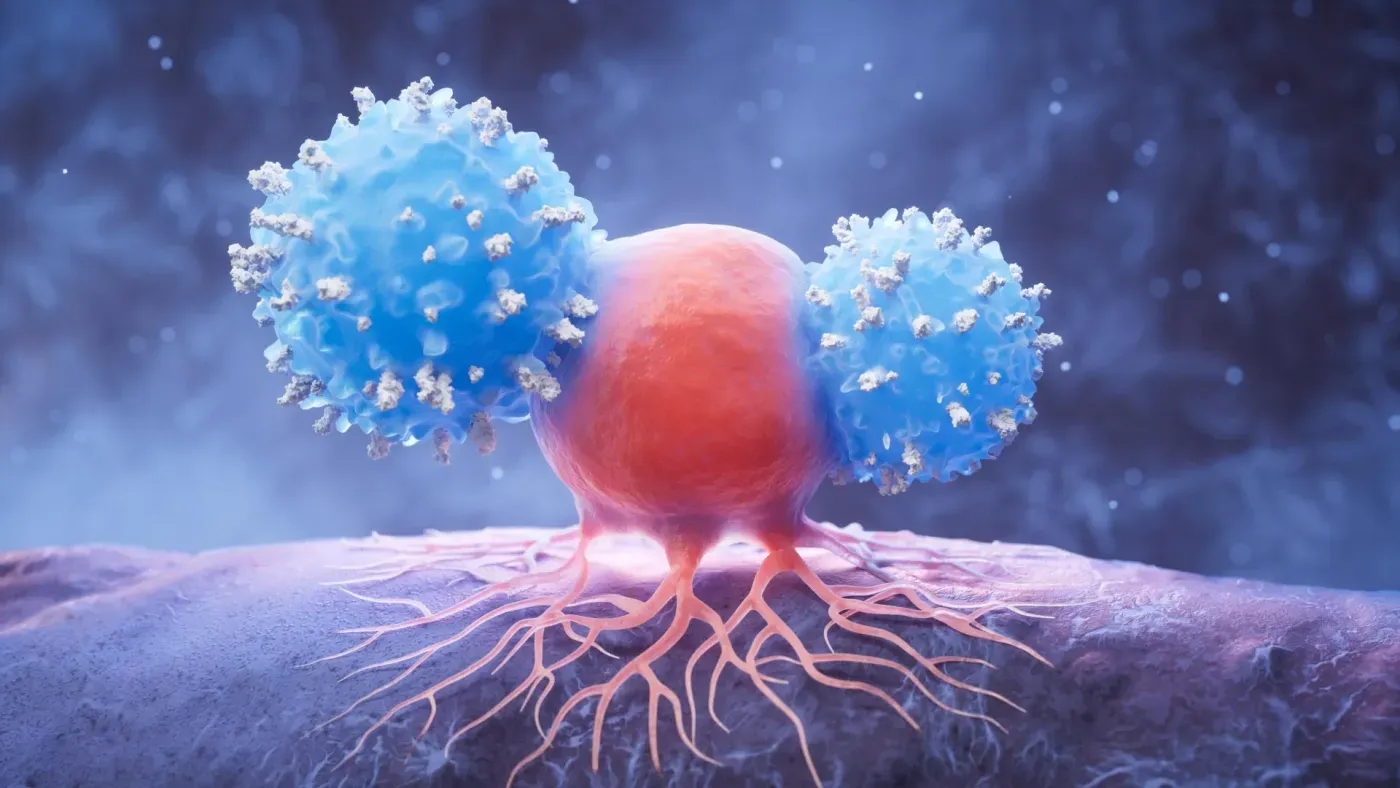
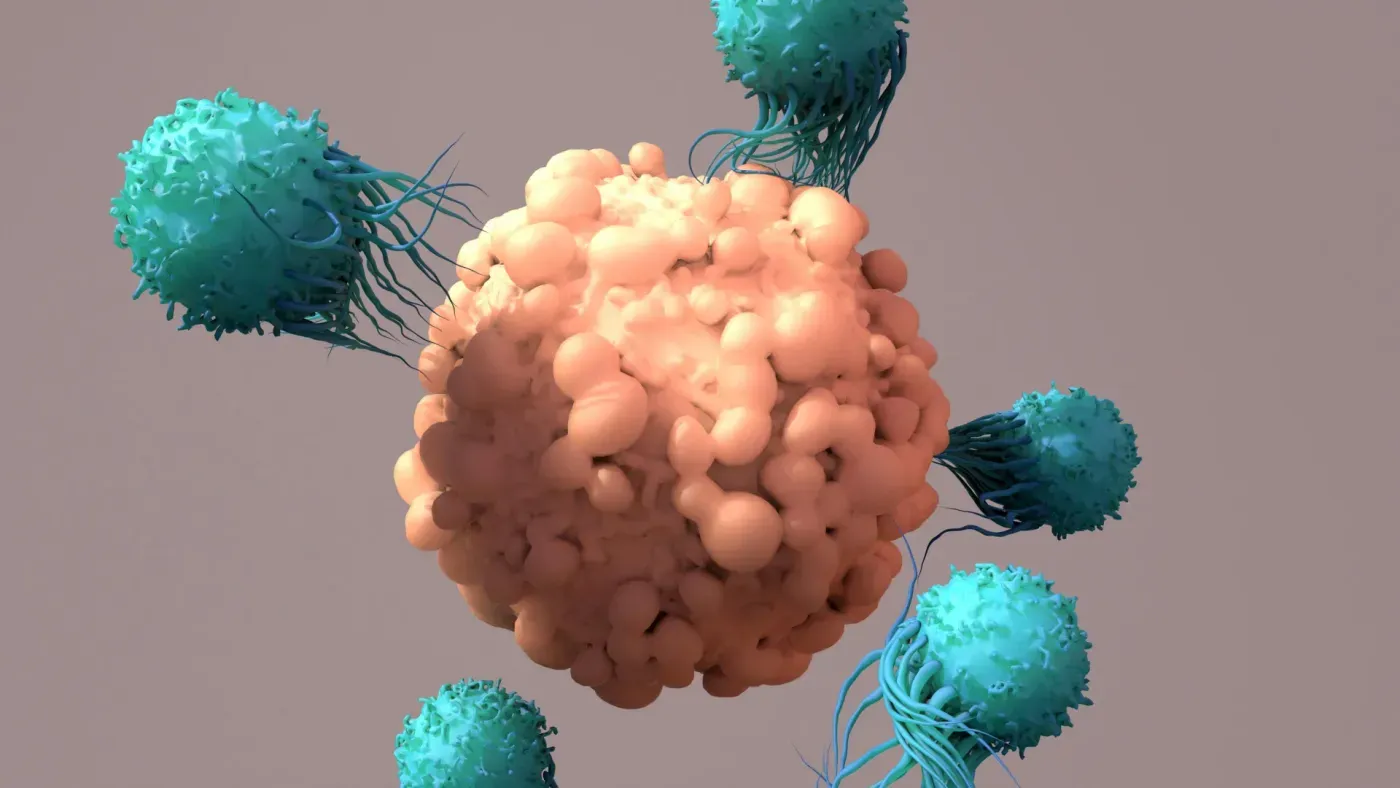
CAR-T cell therapy works by modifying T cells with new genetic instructions. These immune cells are crucial in fighting diseases and can now be reprogrammed to identify and destroy cancer cells more effectively. The modified T cells produce chimeric antigen receptors (CARs), which resemble antennae-like structures on the cell surface.
When these CARs come into contact with a specific protein on a cancer cell, they trigger an attack response from the T cell. This process has been approved by the U.S. Food and Drug Administration for seven CAR-T cell therapies targeting blood cancers.
However, despite their effectiveness, these treatments are not accessible to many patients due to high costs. Each treatment can range between $400,000 and $500,000, making it a significant financial burden on individuals and healthcare systems.
The production of CAR-T cells also requires specialized facilities and takes several weeks, which can be critical for patients whose cancers continue to advance during this time. Patients typically undergo intensive chemotherapy before receiving the engineered T cells, clearing space in the bone marrow but posing significant risks, especially for older or medically frail individuals.
The high cost and limited availability of CAR-T cell therapy have created significant barriers for patients who could benefit from it. As Eyquem points out, this has become a pressing issue on a global scale.
To address these challenges, researchers are exploring an innovative approach: in vivo manufacturing. This method involves producing engineered immune cells directly inside the body, potentially eliminating the need for intensive chemotherapy as a preparatory step.
A key component of this strategy is a system developed by Eyquem and colleagues from various institutions, including the Gladstone Institutes and Duke University. The system relies on two distinct particles that work together to deliver CRISPR-Cas9 gene-editing machinery to T cells circulating through the body.
The first particle carries the CRISPR-Cas9 tools necessary for cutting and altering DNA, while its surface is coated with antibodies that recognize CD3, a protein uniquely found on T cell surfaces. This targeting mechanism ensures that the gene-editing machinery is directed specifically toward T cells.
The gene-editing machinery is designed to target T cells specifically, but ensuring that it reaches its intended location within the body without being destroyed by the immune system is a significant challenge.
To overcome this hurdle, researchers developed a two-particle approach, where one particle carries the gene and the other contains instructions for the cell to produce CARs only when it reaches its intended destination. This targeting mechanism ensures that the gene-editing machinery is directed specifically toward T cells.
The team's strategy also involves designing the particles to evade immediate destruction by the immune system, thereby allowing them to reach their target location intact. As Eyquem noted, this approach was crucial for ensuring that only re-engineered T cells were produced inside the body.
In a critical test of the two-particle treatment, researchers successfully eliminated detectable cancer from mice engrafted with aggressive leukemia after just one injection, with all mice showing significant improvement within two weeks.
The approach of reprogramming immune cells inside the body to fight cancer has yielded another unexpected advantage - the engineered T cells seem to outperform those produced in a laboratory setting.
Researchers have observed that the T cells generated directly within the body appear to retain their full potential and vitality, unlike lab-produced cells which tend to lose some of their capabilities. This difference is significant, as it could indicate that the in vivo method preserves the natural properties of these immune cells.
The technology has the potential to make CAR-T treatments more efficient and accessible to a wider range of patients. Currently, this type of therapy requires patients to undergo a lengthy process of cell collection, modification, expansion, and re-infusion.
However, if successful, the in vivo approach could allow for the necessary genetic engineering to occur directly within the patient, eliminating the need for lengthy waiting periods and potentially reducing costs.
This breakthrough has significant implications for the future of CAR-T therapy. If the technology can be translated into human use, it could make life-saving treatments more widely available, allowing community hospitals to offer these therapies alongside major cancer centers.
Researchers have made significant progress in developing a novel approach to treating cancer by reprogramming immune cells inside the body. This innovative method involves using gene editing tools to modify T-cells, which are a type of immune cell that plays a crucial role in fighting cancer.
The technology has shown promising results in animal studies, with researchers observing a substantial reduction in tumor growth and an improvement in overall survival rates. If successfully translated into human use, this treatment could potentially revolutionize the way cancer is managed, making life-saving therapies more widely available to patients. This breakthrough holds great promise for providing access to effective treatments beyond major cancer centers.
Facts based on reporting originally published by ScienceDaily Health.
You may republish this story, in full or in part, if you credit Noti Group and link to it (licence CC BY 4.0). Photos are not included.