






Breakthrough in Understanding Brain Inflammation Could Lead to New Treatments for Neurological Disorders
Researchers at the University of Birmingham have made a significant discovery about how to reduce harmful inflammation in the brain, which could potentially treat conditions such as Alzheimer's disease and Parkinson's disease.
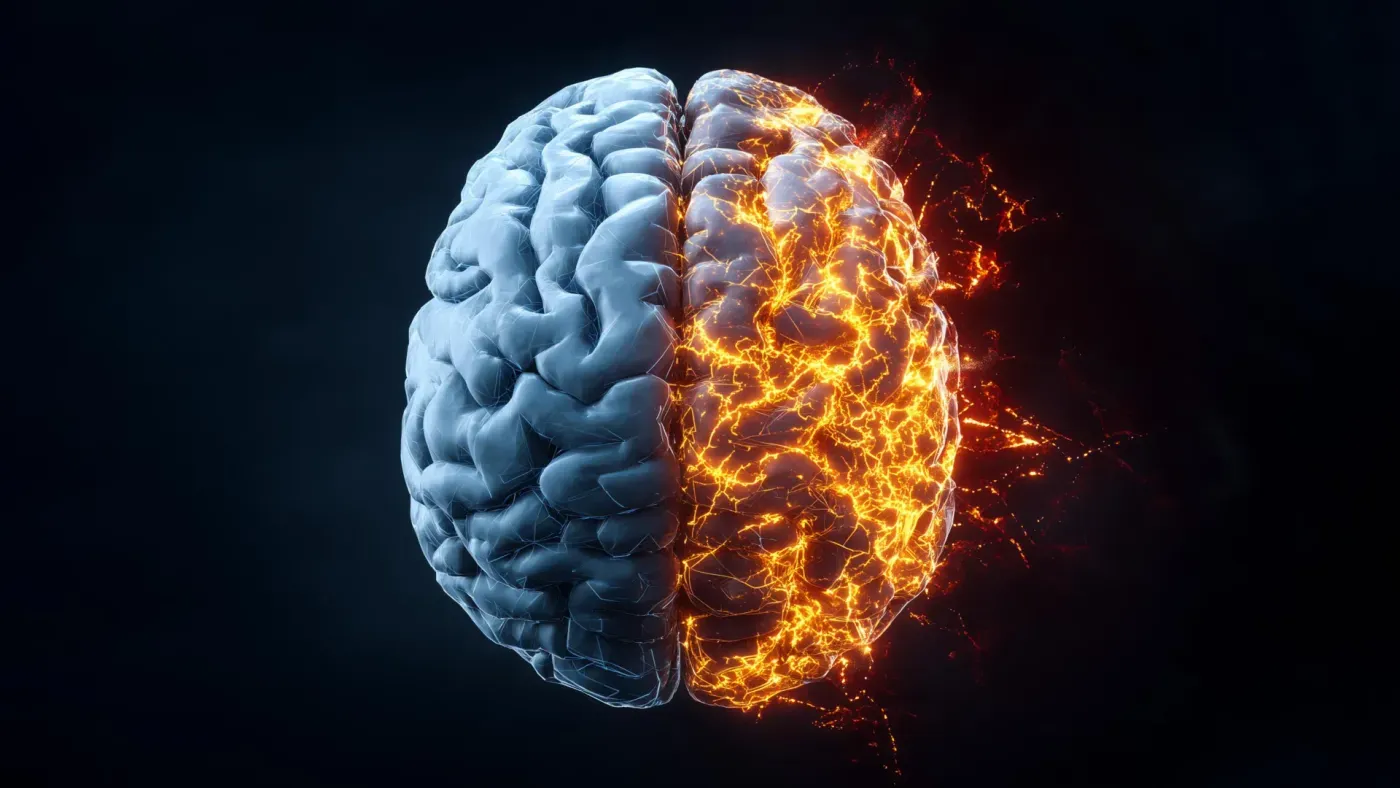
Scientists have made a breakthrough in understanding how to reduce harmful inflammation in the brain, which could potentially treat a range of neurological disorders.
Researchers at the University of Birmingham identified the P2X7 receptor as an important driver of neuroinflammation. This receptor is involved in triggering inflammatory signaling and has been linked to various conditions including Alzheimer's disease, Parkinson's disease, and depression.
The team used live cultures of human brain cells and slices of brain tissue collected during surgery to investigate the role of the P2X7 receptor. Their findings suggest that this receptor promotes the release of cytokines, which are proteins that help regulate inflammatory responses.
When the researchers blocked the P2X7 receptor using a specific antagonist, they observed a significant reduction in inflammation in human brain tissue. This suggests that targeting this receptor could be an effective way to combat neuroinflammation.
The discovery has major implications for treating conditions such as Alzheimer's disease and Parkinson's disease, which are characterized by inflammation in the brain. It may also provide new avenues for treating depression, psychosis, traumatic brain injury, and other neurological disorders linked to inflammation.
The identification of this receptor could have far-reaching implications for some of the most debilitating and widespread brain disorders.
The researchers focused on understanding how microglia, immune cells in the brain, respond to inflammatory signals that can lead to brain disorders such as Alzheimer's and Parkinson's. To study this process, they developed a method for converting white blood cells into microglia-like cells.
This conversion process mimics a natural change that occurs in the human brain during aging. The team took peripheral monocytes from blood samples and converted them into microglia-like cells, which provided a unique opportunity to examine how human microglia respond to inflammatory signals.
When these lab-grown microglia-like cells were damaged or dying, they released specific signals that could be blocked by the P2X7 receptor antagonist. This finding suggests that targeting this receptor may help prevent brain inflammation associated with certain diseases.
To confirm their results, the researchers tested whether the same findings could be replicated in human brain tissue obtained through neurosurgical procedures.
The discovery of a specific drug target that could block brain inflammation linked to neurodegenerative diseases has taken another significant step forward.
Researchers have confirmed their findings by successfully testing them in human brain tissue obtained from neurosurgical procedures. This validation strengthens the case for further investigation and paves the way for potential clinical trials in people suffering from Alzheimer's, Parkinson's, or traumatic brain injury.
The development of new treatments for these conditions is crucial, as existing pharmacological options are often ineffective in reducing neuroinflammation and associated damage.
Facts based on reporting originally published by ScienceDaily Health.
You may republish this story, in full or in part, if you credit Noti Group and link to it (licence CC BY 4.0). Photos are not included.