







UCLA Health Study Links Gut Bacteria to Brain Aging
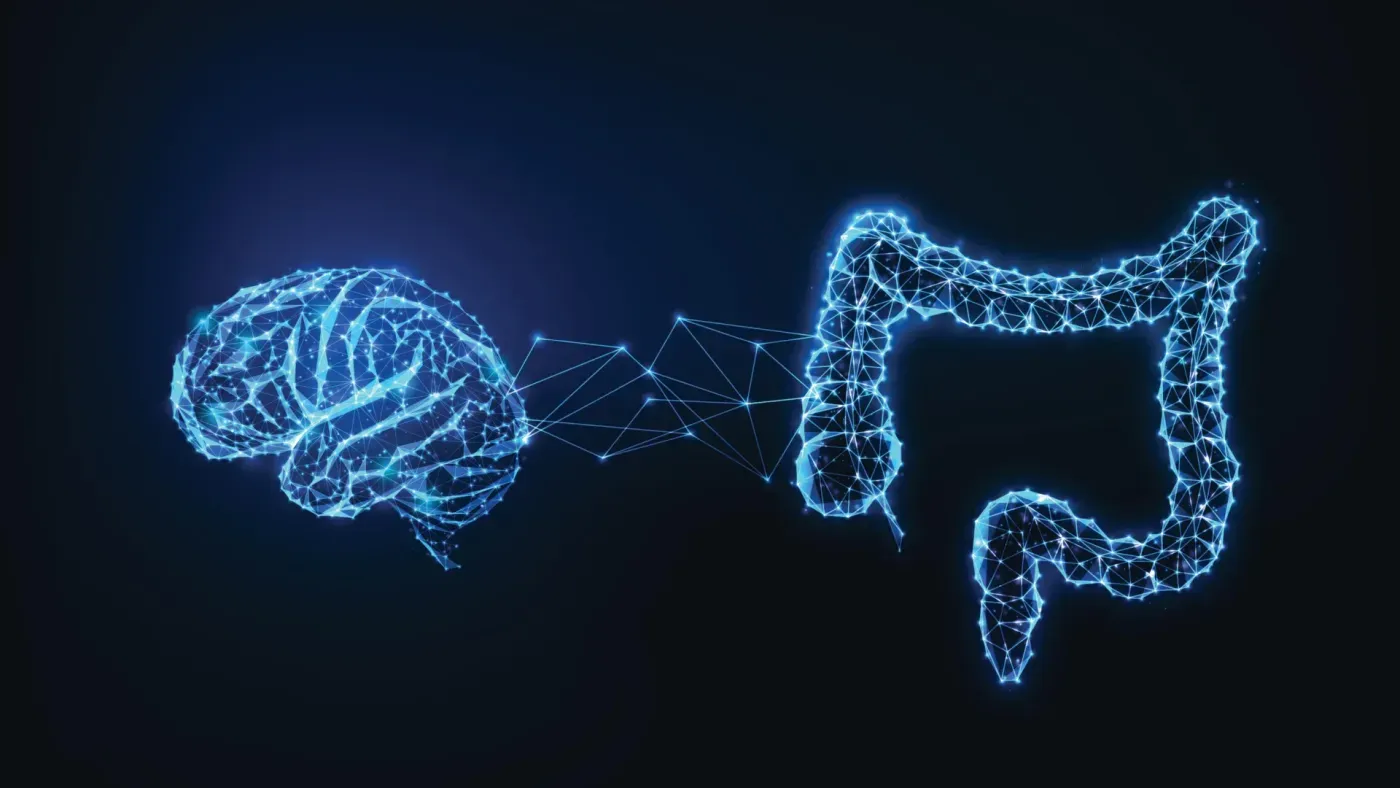
A groundbreaking study by UCLA Health has shed light on a surprising connection between gut bacteria and brain aging, finding that the pace of cognitive decline may be linked to the types of bacteria in our digestive system and the chemicals they produce.
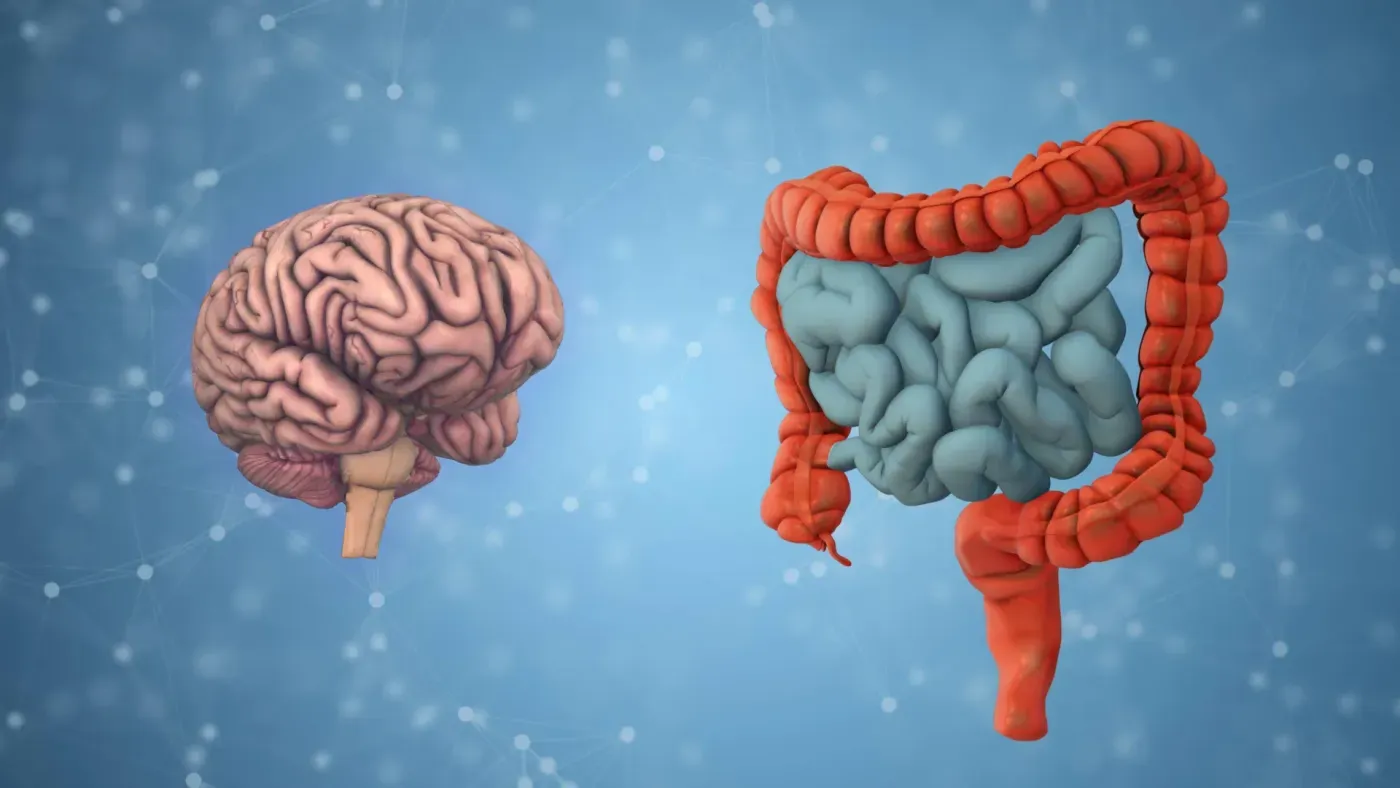
A groundbreaking study by UCLA Health has shed light on a surprising connection between gut bacteria and brain aging. Researchers discovered that the pace of cognitive decline may be linked to the types of bacteria in our digestive system and the chemicals they produce.
For years, scientists have used brain scans to estimate an individual's "brain age," which can differ significantly from their chronological age. Studies have shown that when a person's brain appears older than expected, it is often associated with reduced memory, weakened cognitive abilities, and changes in mood.
However, most previous research has focused on older adults or those already suffering from neurological conditions. This left a significant question unanswered: does an older-looking brain also impact younger individuals who are generally healthy?
To address this issue, UCLA Health researchers conducted a comprehensive study involving nearly 1,500 adults divided into three distinct groups. The team employed a scanning method that measured how different areas of the brain communicate with one another while participants were at rest.
The researchers then created a computer model to estimate each person's age based on these communication patterns and compared it with their actual age. This discrepancy became known as the Brain Aging Index (BAI), providing a valuable tool for assessing cognitive health.
Across all three groups studied, individuals whose brains showed signs of accelerated aging tended to perform poorly on tests that measured working memory and executive function.
These cognitive abilities are essential for holding information in mind, staying focused, planning, and organizing tasks. People with a higher Brain Aging Index exhibited reduced proficiency in these areas.
A notable correlation was observed between the Brain Aging Index and symptoms of depression. This pattern emerged consistently across various brain regions associated with memory and self-referential thought.
Researchers also analyzed stool samples from one study group to explore potential links between gut health and brain aging.
Their findings revealed a connection between higher Brain Aging Index scores and specific types of gut bacteria, as well as certain metabolic byproducts such as fat molecules and cholesterol-related compounds.
Lower levels of the hormone estetrol were also associated with increased brain aging. These biological signals appear to be linked through pathways involving the immune system, blood vessel function, cell communication, and energy production in cells.
The study's findings suggest that gut bacteria may serve as a biomarker for brain aging, potentially allowing researchers to identify individuals at risk of cognitive or mood-related decline earlier in life.
These insights could pave the way for novel strategies aimed at supporting brain health and prevention by targeting the gut microbiome.
Facts based on reporting originally published by ScienceDaily Health.
You may republish this story, in full or in part, if you credit Noti Group and link to it (licence CC BY 4.0). Photos are not included.