





French Authorities Prepare for Widespread Protests on Saturday
Thousands of protesters are expected to gather in Paris and other cities across France, despite strict restrictions on demonstrations.
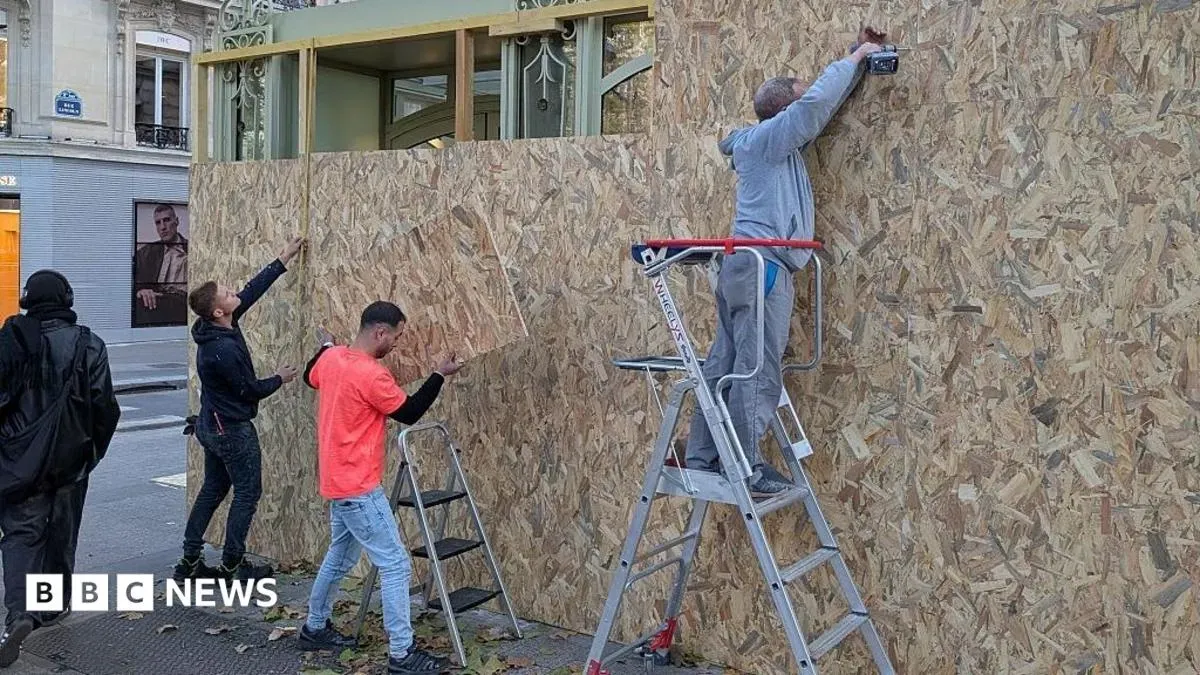
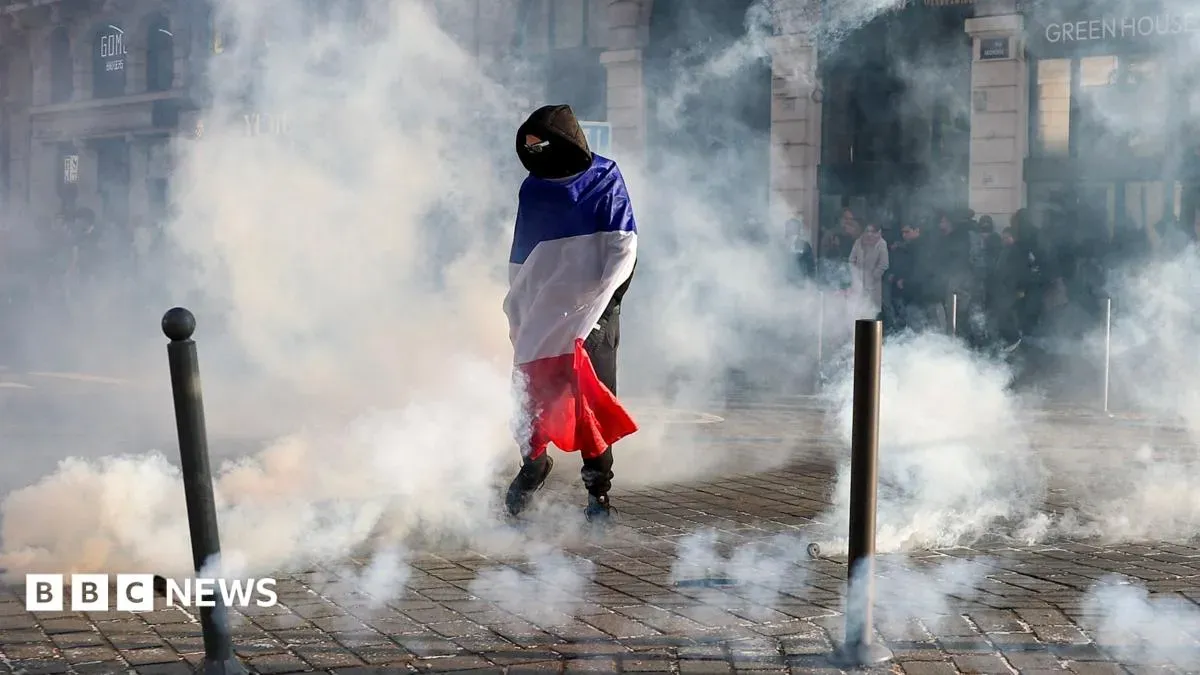
France is bracing for another day of widespread protests on Saturday, a week after the country witnessed some of its most violent unrest in decades. The government has introduced strict restrictions on demonstrations across France, but hundreds of thousands of protesters are still expected to gather in Paris and other cities.
The protests, organized by students, trade unions, and anti-government groups, have been fueled by growing discontent among the French public over rising cost-of-living pressures and dire warnings of future spending cuts. Disillusionment is widespread, with many feeling that their voices are not being heard by the government.
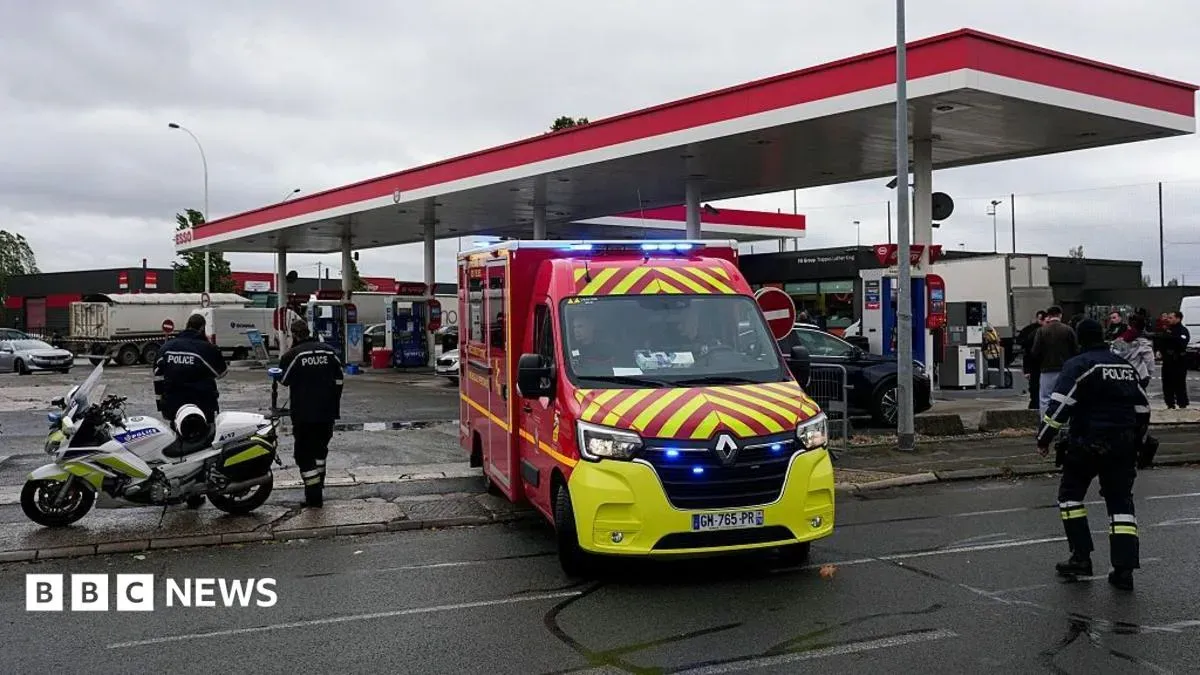
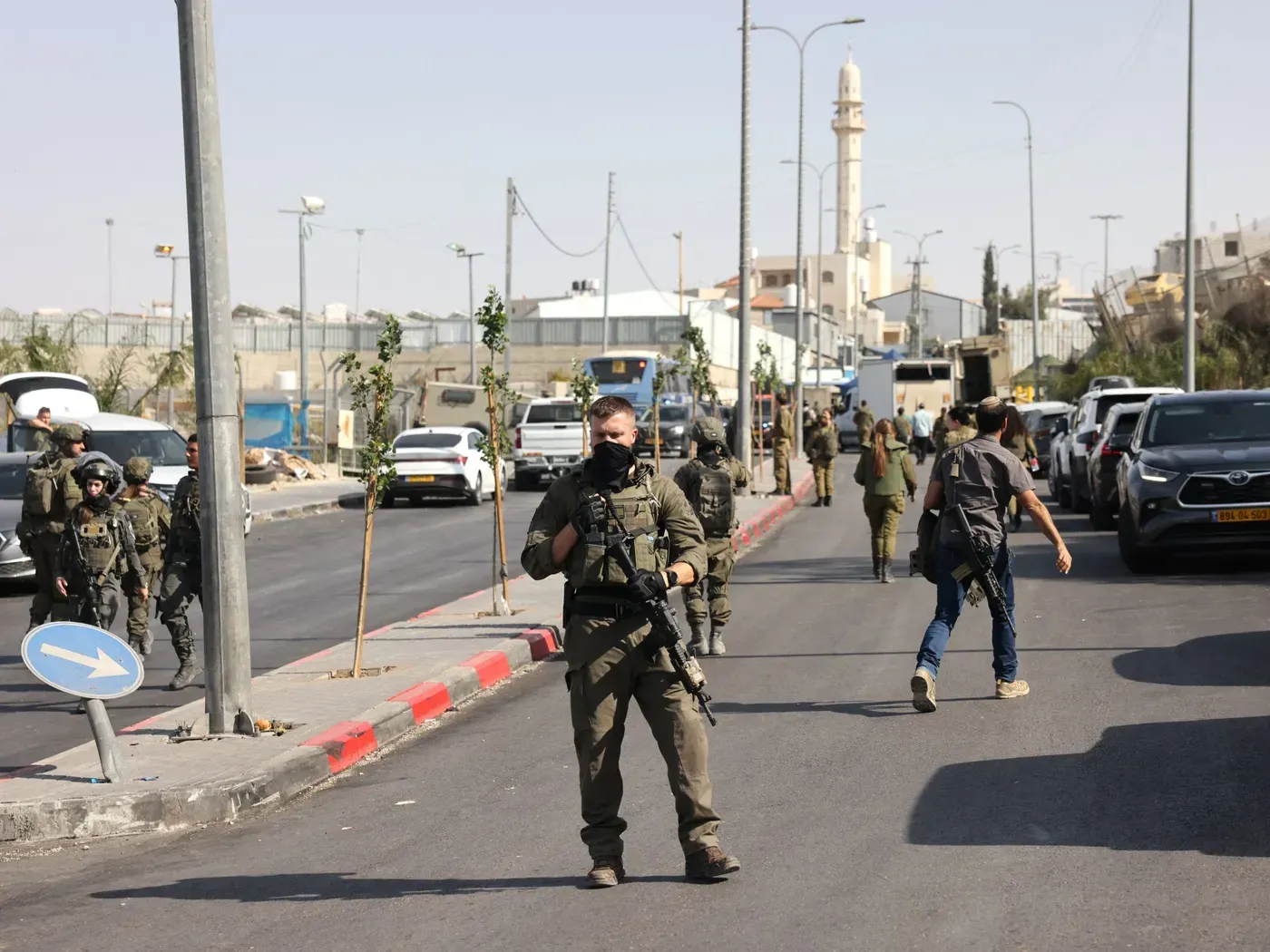
In response to the unrest, the interior ministry has announced plans to deploy 70,000 police officers across French cities, a significant increase in security presence. The move comes after opposition parties accused the government of failing to anticipate the scale of the protests on October 17.
Interior Minister Laurent Nuñez has vowed that authorities will not tolerate any form of violence or vandalism during the protests. He warned that those who engage in such behavior will face severe consequences, including arrest and prosecution through fast-track court hearings.
In recent days, hundreds of people have been jailed for vandalism, arson, and looting after rapid-fire court proceedings. The government's decision to crack down on protesters has sparked controversy, with some arguing that it is an overreaction to the situation.
As protests against education reforms continue to gain momentum across France, President Emmanuel Macron has met with representatives of high-school students to discuss their concerns. The meeting on Friday was seen as a last-ditch effort by the government to address the grievances of the protesters before Saturday's demonstrations. Despite the talks, student leaders have urged their peers to maintain pressure on the government.
According to sources close to the president, Macron has promised to implement several measures aimed at improving high school education from Monday. These commitments were made in a bid to placate the protesters and stem the growing unrest. However, it remains to be seen whether these promises will be enough to quell the widespread discontent among students.
In an effort to contain the protests, Macron's government has imposed restrictions on demonstrations. Only those organised by recognised trade unions will be permitted to take place on Saturday, the president decreed earlier this week. Several key cities have gone further, announcing blanket bans on gatherings in a bid to prevent potential unrest.
Despite these efforts, organisers of the protests appear undeterred. Hundreds of large and small demonstrations are planned across France, with many taking place in cities that have imposed restrictions on gatherings. The inconsistent approach by authorities has created uncertainty about what level of protest will be permitted on Saturday.
The situation is further complicated by varying interpretations of the rules by local authorities. Some mayors have imposed broad bans on protests, while others have agreed to allow demonstrations registered with authorities. In Paris, a march organised by the student trade union has been ordered to stick to a specific route that avoids the city centre, but preparations for potential unrest in other areas are underway.
The Louvre Museum will not open its doors to visitors on Saturday due to the ongoing protests across France. The same goes for the Orsay and Picasso museums, which have also been closed as a precautionary measure. In addition, a scheduled home match for football team PSG has been postponed until Monday.
A student-led protest movement that began as a small uprising has grown into a widespread anti-government movement, with protesters from various backgrounds joining forces to express their discontent. The revived gilet jaunes (yellow-vest) movement is expected to be out in full force on Saturday, with hundreds of demonstrations and other actions planned across the country.
The protest movement's website lists over 500 planned demonstrations and 200 other actions for Saturday, with a clear demand that President Macron resign from office. In a statement, the group accused police of attacking protesters during last week's unrest and refused to condemn the violence that erupted on October 17th.
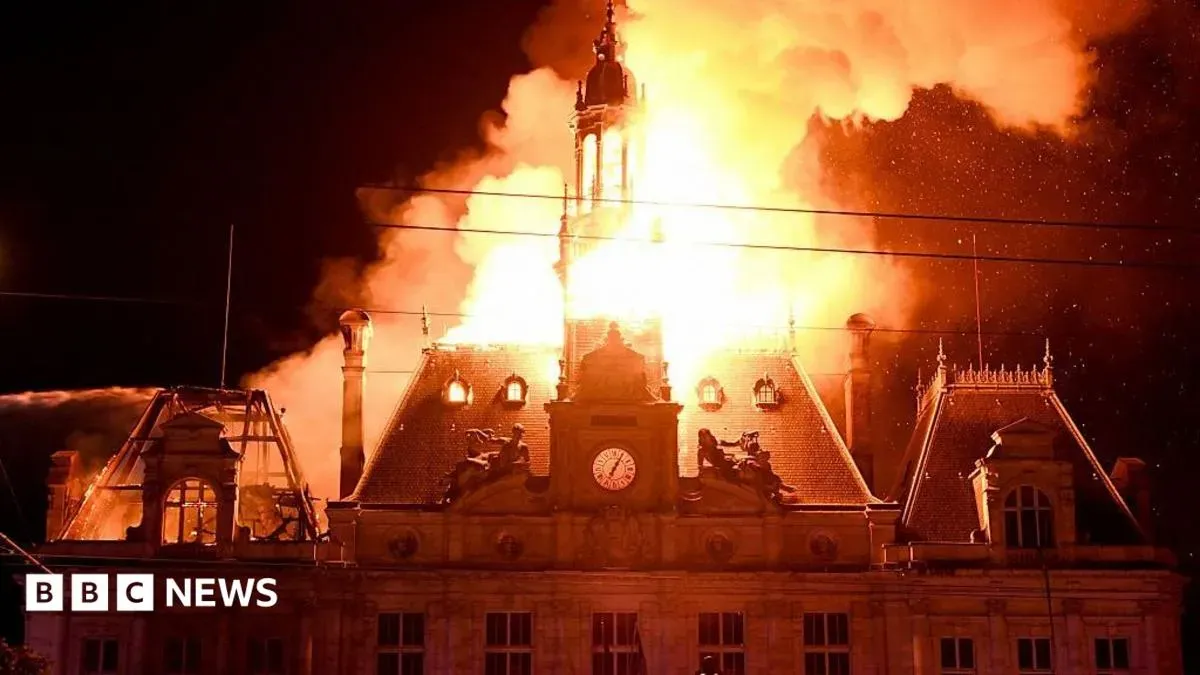
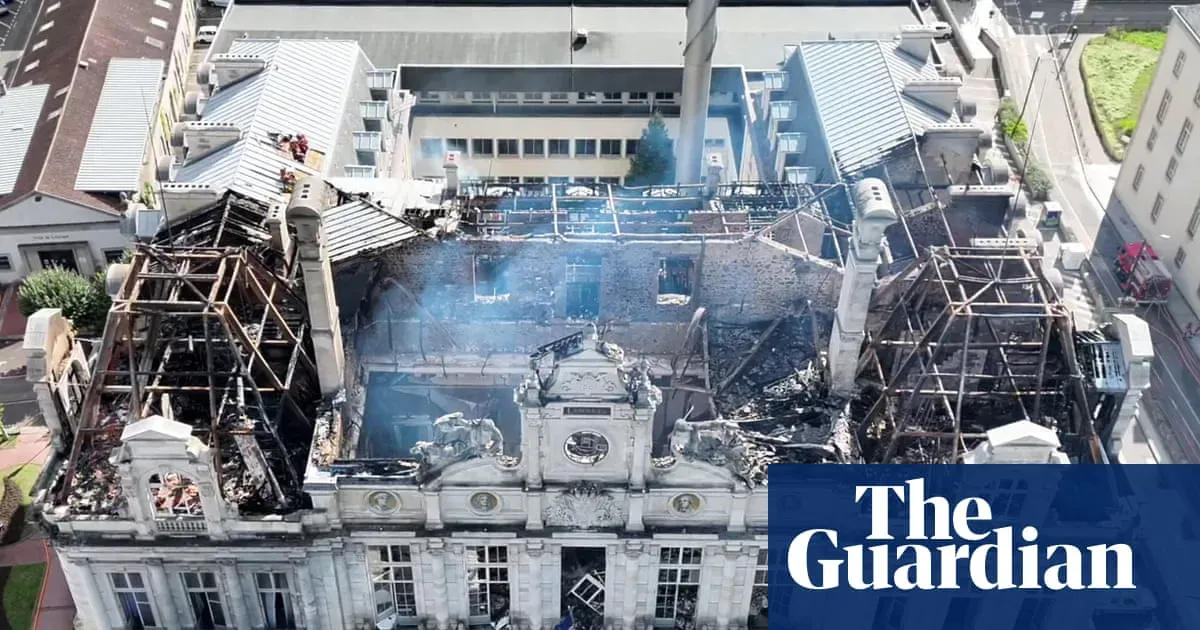
France is still grappling with the aftermath of last week's riots, which saw widespread destruction and chaos in many cities. The town hall in Limoges was particularly badly affected, with its ornate 19th-Century façade being torched during the unrest.
The French government has promised to cover the cost of rebuilding the damaged town hall in Limoges, rather than leaving local taxpayers to foot the bill. Meanwhile, Justice Minister Gérald Darmanin announced that 232 people have been imprisoned for their role in the riots, with over 1,100 others appearing in court on charges including organised gang activity.
The French government is taking steps to prevent further unrest by introducing punitive measures for those convicted of looting or attacking police officers during the recent nationwide riots.
Prosecutors have been instructed to seek harsh penalties, including restrictions on individuals' ability to participate in demonstrations, their right to vote, and access to social media. These measures aim to deter people from engaging in similar destructive behavior.
The backdrop against which these events are unfolding is a highly polarized political landscape in France. The country is gearing up for what promises to be the most divisive election period in decades, with President Emmanuel Macron set to leave office next spring.
Macron's centrist party has struggled to maintain power and pass legislation, creating an environment ripe for radical alternatives to gain traction. A potential scenario where a candidate from his movement fails to make it through to the run-off vote could lead French voters to choose between the hard-right National Rally and the radical-left La France Insoumise (France Unbowed).
Leading figures from both parties have blamed Macron and his ministers for the recent disorder, sensing that they can capitalize on public discontent.
The small city of Orléans is bracing itself for a major influx of protesters as thousands of members of the hard-right party are set to converge on the area. The city's mayor has expressed concerns about the unprecedented numbers expected, which have prompted the deployment of thousands of police officers.
Public transport in Orléans will be suspended during the gathering, amid fears of potential clashes between rival groups. Meanwhile, Marine Le Pen is scheduled to address her party members, as she runs for a fourth time in the presidential election, despite facing controversy over a court ruling that found her guilty of embezzling EU funds.
Opinion polls suggest Le Pen's chances of becoming president may be at their strongest yet, although she has denied any wrongdoing and is appealing the verdict.
Facts based on reporting originally published by BBC News World.
You may republish this story, in full or in part, if you credit Noti Group and link to it (licence CC BY 4.0). Photos are not included.