






Global Politics Becomes Increasingly Unpredictable with Rise of AI
The increasing influence of artificial intelligence is exacerbating existing threats and introducing new ones at an alarming rate, creating a volatile mix that demands close attention from policymakers and observers alike.
International politics has taken on a precarious tone, with multiple trends converging to create an unstable global landscape. The increasing influence of artificial intelligence is exacerbating existing threats and introducing new ones at an alarming rate.
A significant shift in international relations theory is underway as several states and regional blocs vie for influence in the absence of a dominant hegemon. This has led to the emergence of genuine global multipolarity, where no single state or entity holds sway over others.
The widespread adoption of artificial intelligence is having far-reaching consequences. On one hand, it enables unprecedented access to information and innovation, effectively empowering individuals with godlike abilities. However, this empowerment comes at a cost as AI also creates new threats and makes existing ones more difficult to contain.
Larger states are struggling to translate their power into effective control due to the changing dynamics of global politics. The military domain is particularly affected by the proliferation of inexpensive drones and AI-assisted targeting capabilities.
The US, with its extensive military resources, has been unable to force concessions from isolated states such as Iran or achieve decisive victories in conflicts like Ukraine. This inability to impose its will reflects a broader trend where even powerful nations are finding it increasingly difficult to exert control over others.
As the global landscape becomes more complex and fragmented, the threat of conflict and instability continues to rise. The interplay between AI, power structures, and international relations is creating a volatile mix that demands close attention from policymakers and observers alike.
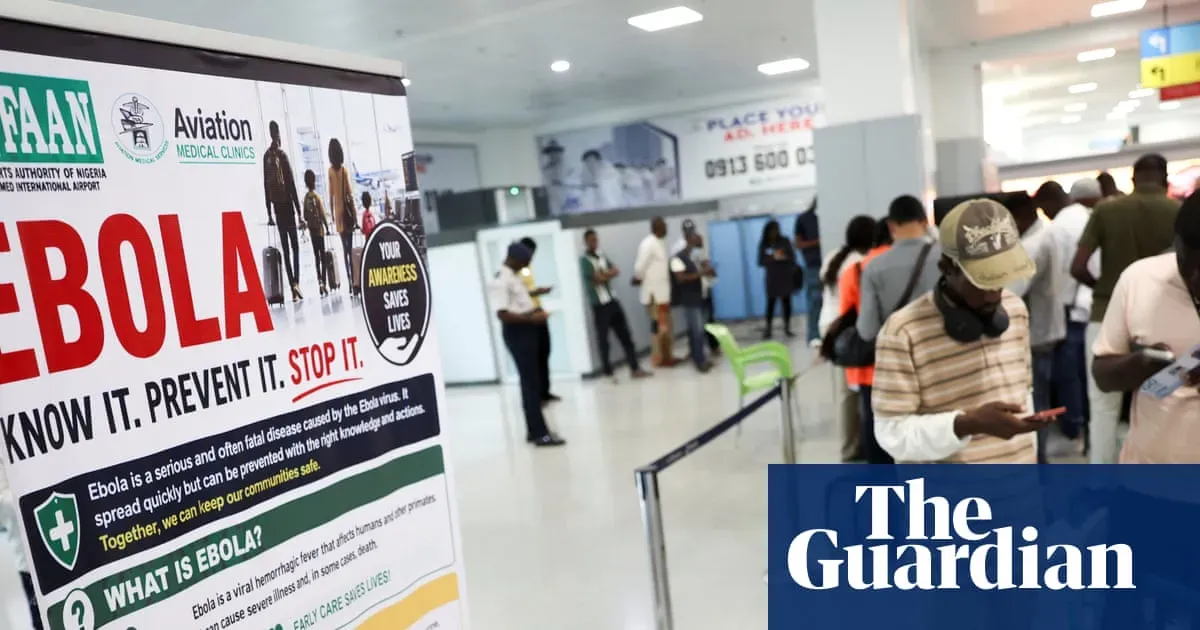
The emergence of new technologies is highlighting the vulnerability to loss of control in various areas beyond AI. The potential for a deadly pandemic to originate from a hidden laboratory is a stark reminder that even seemingly contained threats can escalate quickly.
Cyberattacks, too, pose an existential risk as they become increasingly sophisticated and difficult to defend against. A single individual or group could launch a devastating attack from anywhere in the world, making it challenging for any country to protect itself completely.
The spread of advanced technologies like AI is also creating new concerns. Frontier systems capable of autonomous decision-making may spiral out of control if not properly regulated, leading to unpredictable and potentially disastrous consequences.
Furthermore, some technologies are blurring the lines between conventional and unconventional threats. The development of nuclear and biological weapons, for instance, is becoming more accessible due to advancements in technology, making it harder to detect and prevent their proliferation.
The global landscape is witnessing a trend where states are increasingly focusing on achieving digital supremacy through AI research and development. However, this approach may not necessarily address the root causes of instability and could even exacerbate tensions between nations.
As policymakers grapple with these complex issues, they must recognize that relying solely on military might or economic dominance will not suffice in preventing catastrophic events. A more nuanced understanding of the interplay between technology, power structures, and international relations is essential for developing effective strategies to mitigate risks.
To ensure real security in today's multipolar world where technology plays an increasingly significant role, military strength alone is not enough. Powerful international institutions and laws must be established to regulate global activities and prevent conflicts.
The development of global standards and their enforcement are crucial components of this new paradigm. International organisations must be granted the authority to monitor, inspect, and report on activities within countries' borders. This includes governments sharing sensitive information with these bodies as part of a broader effort towards cooperation.
Existing institutions like the United Nations, World Trade Organization (WTO), and World Health Organization (WHO) still possess significant authority and legitimacy. The International Atomic Energy Agency (IAEA) has demonstrated that international monitoring can effectively verify compliance even in highly sensitive areas such as nuclear development.
Recent developments offer a glimmer of hope for the future. Last year saw the adoption by the WHO of a Pandemic Agreement aimed at improving global readiness to prevent and mitigate health emergencies. The UN General Assembly's endorsement of the BBNJ Agreement, which protects biodiversity on high seas, is another significant step forward in addressing global challenges.
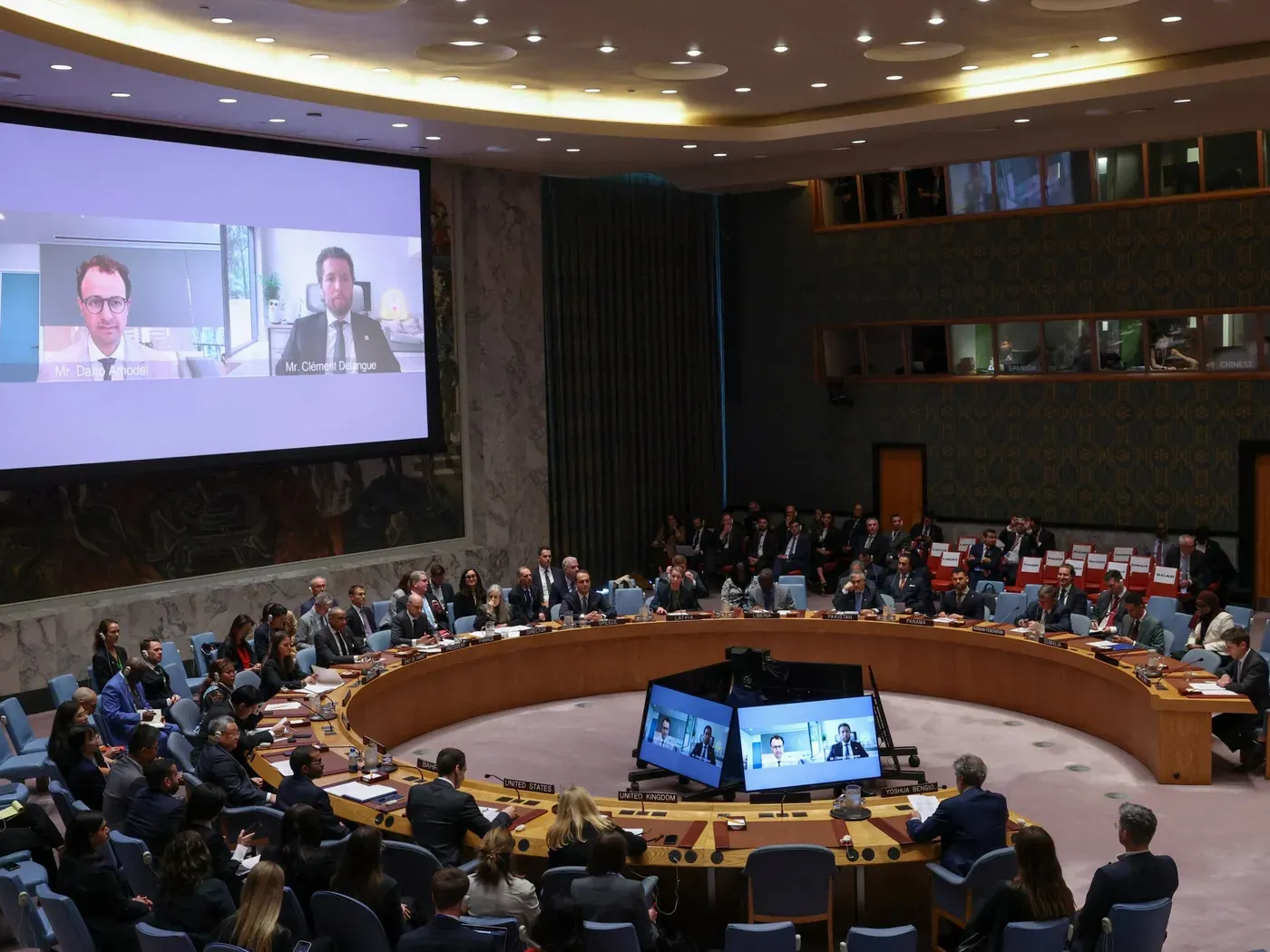
The United Nations Security Council has shown its willingness to address the security implications of AI by hosting a high-profile debate in September this year. During the discussion, most governments and leading AI developers agreed that stronger global governance and more robust international oversight mechanisms are necessary to mitigate risks associated with artificial intelligence.
The international community's efforts to establish global frameworks for regulating advanced technologies like artificial intelligence are still in their infancy.
Despite some positive developments, most governments and leading AI developers agree that stronger governance and oversight mechanisms are necessary to mitigate risks associated with artificial intelligence.
Norway is taking a proactive approach to addressing this challenge. The country has identified respect for international law and effective multilateral institutions as a core national security interest, and is investing heavily in UN reform efforts.
By leveraging its position as one of the UN's largest financial contributors, Norway aims to push for greater effectiveness within the global organization. This approach reflects the understanding that no single country can alone change the course of international politics.
Norway has already made some headway on this front, with Norwegian Prime Minister Jonas Gahr Store and Finnish President Alexander Stubb launching a joint initiative in September to establish global oversight and control over advanced AI models.
As nations grapple with the complexities of international governance, it is clear that a new approach is needed to prevent global catastrophes. The aftermath of two devastating world wars prompted collective action and the establishment of shared legal frameworks.
A return to this collaborative spirit is necessary, but it remains uncertain whether states will come together without first facing another crisis on par with those wars.
Facts based on reporting originally published by Al Jazeera.
You may republish this story, in full or in part, if you credit Noti Group and link to it (licence CC BY 4.0). Photos are not included.