






Inflammatory bowel disease diagnosis identified up to 10 years before symptoms appear
Researchers have made a significant breakthrough in understanding inflammatory bowel disease (IBD) by identifying subtle changes in the immune system that occur up to 10 years before diagnosis.
Researchers have made a significant breakthrough in understanding inflammatory bowel disease (IBD), identifying subtle changes in the immune system up to 10 years before diagnosis. These findings could potentially allow doctors to identify individuals at risk and predict the severity of their condition.
Inflammatory bowel disease encompasses a range of long-term disorders that cause persistent inflammation in the digestive tract, including Crohn's disease and ulcerative colitis. When left unchecked, these conditions can lead to severe damage in the intestines due to an abnormal immune system response.
The development of IBD is thought to begin years before diagnosis, but until now, the underlying changes in the immune system during this period have been poorly understood. Scientists believe that identifying these early signs could be crucial in developing effective prevention and treatment strategies.
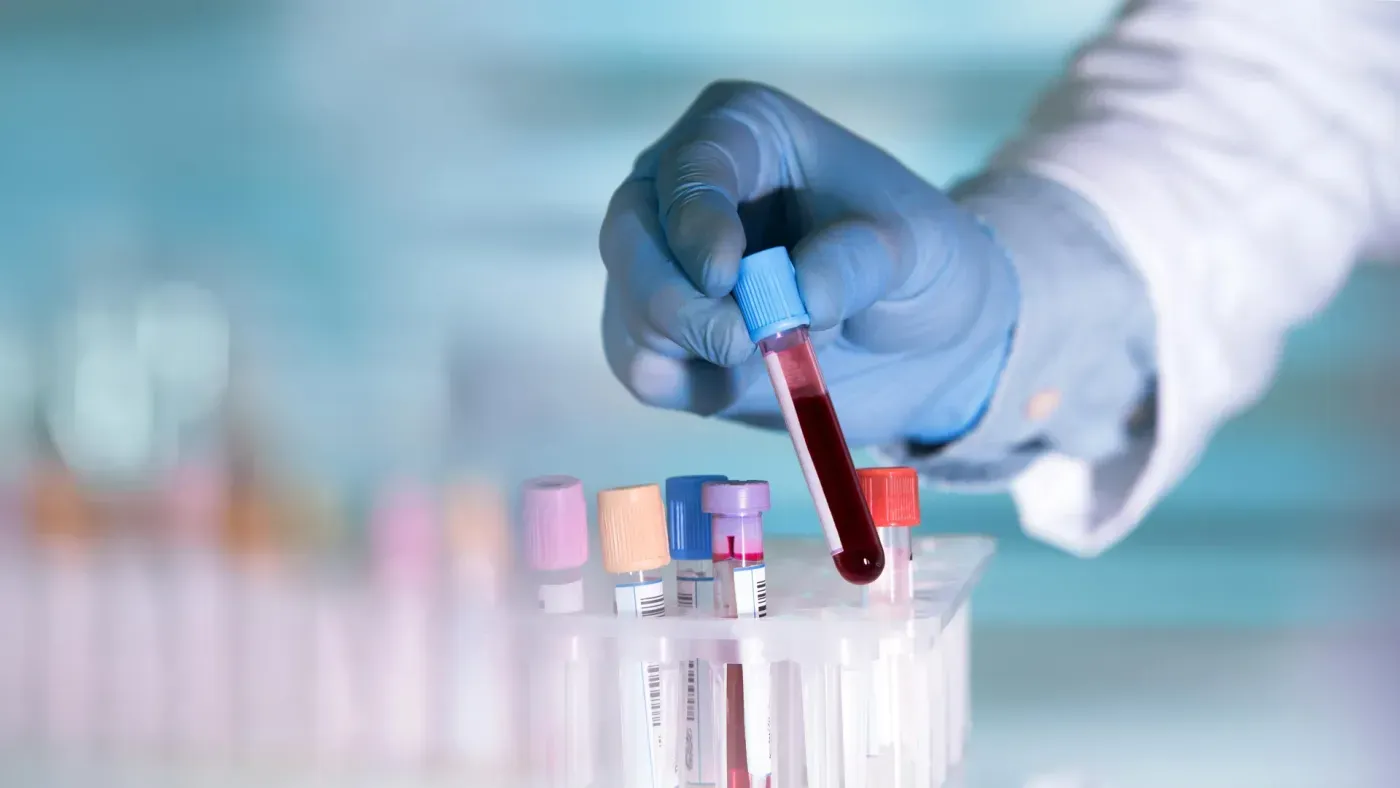
To investigate the pre-diagnostic phase, researchers analyzed 2,000 blood serum samples from 500 participants. The group included individuals who would eventually develop Crohn's disease, ulcerative colitis, as well as healthy controls of similar age and sex.
The team examined blood samples collected around the time of diagnosis, as well as two, four, and 10 years prior to it. This allowed them to track immune activity over a decade and pinpoint changes that emerged before symptoms became apparent.
The researchers analyzed thousands of blood samples from individuals who eventually developed inflammatory bowel disease (IBD), looking for subtle signs of immune system activity that might precede diagnosis by years.
They examined antibody reactions to a vast array of substances, including bacteria, viruses, food, and even the body's own cells. This comprehensive approach allowed them to identify unique patterns in the blood of individuals who would eventually develop IBD.
A striking disparity emerged between people with IBD and those without the condition. Those who developed Crohn's disease or ulcerative colitis had a narrower range of antibody responses, indicating a less diverse immune system.
Crohn's disease and ulcerative colitis exhibited distinct immune signatures in the blood, suggesting that these conditions have different underlying causes.
The researchers found that individuals with Crohn's disease showed elevated antibody responses to certain viruses and bacterial proteins, particularly those related to herpesviruses and flagellin.
Individuals with ulcerative colitis exhibited distinct immune system changes compared to those who developed Crohn's disease. Their antibody responses increased in relation to herpesviruses and autoantigens, while their reactions to encapsulated pathogens decreased.
The findings collectively suggest that the body's immune response undergoes significant modifications many years before a diagnosis of inflammatory bowel disease is made.
Researchers utilized machine learning techniques to determine whether these unique antibody signatures could predict which individuals would eventually develop IBD. They analyzed blood samples from up to 10 years prior to diagnosis, looking for patterns that distinguished future Crohn's patients from healthy controls.
The models demonstrated impressive accuracy in distinguishing between the two groups, with an area under the curve (AUC) of 0.90 indicating a strong predictive power. The researchers also made another important discovery: antibody patterns could identify individuals at risk of developing complicated Crohn's disease approximately 10 years before diagnosis, with an AUC of 0.85.
The researchers' findings have significant implications for the early detection of inflammatory bowel disease (IBD), suggesting that blood antibody testing could potentially identify individuals at increased risk years before diagnosis.
According to lead author Dr. Arno Bourgonje, the discovery of a distinct antibody profile associated with complicated Crohn's disease is particularly noteworthy. This pattern emerges years before the first clinical symptoms appear, indicating that it may not be solely the result of disease progression after diagnosis.
The study's results raise the possibility that blood tests could identify patients who may require more intensive treatment, thereby allowing for earlier intervention and potentially better outcomes. However, it's essential to note that these findings are still in the experimental stage and require further validation before they can be considered for use in routine medical screening.
To move forward with this research, additional studies are necessary to establish whether the identified antibody patterns can reliably predict IBD in broader populations. This will involve investigating the accuracy, affordability, and reproducibility of any potential blood test.
Ultimately, researchers must determine whether antibody testing offers meaningful benefits beyond existing genetic information, clinical assessments, and other blood-based measurements. Any proposed screening test would need to demonstrate its ability to improve patient outcomes before it can be widely adopted in medical practice.
To move forward with developing blood-based tests for inflammatory bowel disease (IBD), researchers must now validate their findings in larger and more diverse populations.
This validation process will involve testing the accuracy of these biomarkers in people from different backgrounds and ethnicities, as well as those who have not been pre-selected based on symptoms or family history. By doing so, scientists can determine whether these blood-based signatures hold up across a broader range of individuals.
If these findings are confirmed, doctors could use blood tests to identify patients at risk for IBD years before diagnosis, enabling earlier intervention and potentially improving treatment outcomes.
Facts based on reporting originally published by ScienceDaily Health.
You may republish this story, in full or in part, if you credit Noti Group and link to it (licence CC BY 4.0). Photos are not included.