






Device Shows Promise in Treating High Blood Pressure
Researchers have found that a new device delivering gentle electrical pulses through the ear may help patients with severe hypertension, despite medication.
A new device that delivers gentle electrical pulses through the ear has shown promise in treating stubborn high blood pressure in clinical trials. The small device, which is designed for home use, was found to be safe and well-tolerated by patients.
While the treatment did not significantly lower blood pressure across all participants compared with a placebo device, researchers observed more encouraging results in patients with severe hypertension. This suggests that stimulating nerves in the ear could potentially help certain individuals whose blood pressure remains elevated despite taking medication.
The experimental treatment uses transcutaneous autonomic neuromodulation (tAN), a technique aimed at influencing the autonomic nervous system, which controls essential bodily functions such as heart rate, digestion, and blood pressure. This network of nerves plays a crucial role in regulating various physiological processes in the body.
Researchers emphasize that larger studies are needed to determine whether this approach can provide meaningful benefits for patients with high blood pressure and identify those who might respond best to ear nerve stimulation.
A handheld device has been developed to stimulate nerves in the ear, aiming to influence the body's natural mechanisms for regulating blood pressure without requiring an invasive procedure.
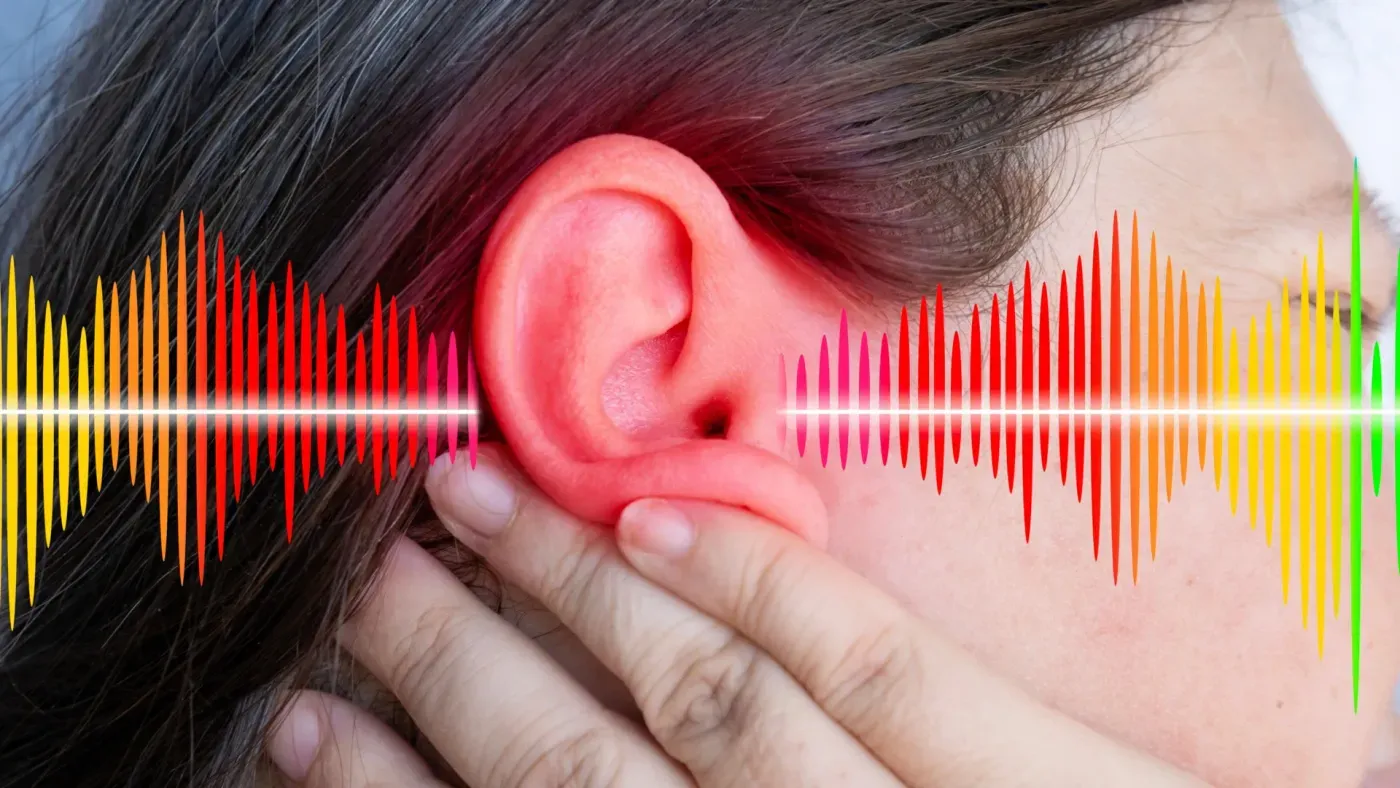
The device uses two small clips positioned on the tragus, a small flap of cartilage located just in front of the ear canal, to deliver gentle electrical stimulation. This allows patients to administer the treatment themselves at home, eliminating the need for clinic visits.
A clinical trial is testing the efficacy of this device in 63 patients with uncontrolled hypertension who are already taking medication to lower their blood pressure. Their readings remained above recommended levels despite ongoing treatment.
Participants were randomly divided into two groups: one received active nerve stimulation, while the other used a sham device as a comparison. The study aimed to determine whether electrical stimulation produced benefits beyond those associated with using the device itself.
The study's safety profile was a significant aspect to consider, as it could pave the way for regular use in home settings if deemed effective.
Researchers found that most participants adhered to the prescribed stimulation schedule without any major issues, which is an encouraging sign for the technology's potential practicality.
Despite these positive findings, however, a statistical analysis of blood pressure changes across the entire study population revealed no significant difference between those receiving active stimulation and those using a sham device.
A closer look at participants with more severe hypertension showed a promising trend, though, as they experienced a greater reduction in blood pressure when exposed to actual nerve stimulation rather than the placebo treatment.
The ongoing quest for effective treatments to manage high blood pressure has led researchers to explore innovative approaches beyond traditional medications. One such possibility is ear nerve stimulation, a non-invasive technique that has shown promise in early trials. The method involves the use of small devices that can be used at home, eliminating the need for surgery and making it a convenient option.
High blood pressure, also known as hypertension, is a major risk factor for cardiovascular disease and increases the likelihood of heart attacks and strokes. Despite medications being effective for many patients, a significant number continue to struggle with uncontrolled blood pressure readings even while receiving treatment. This ongoing challenge has driven scientists to seek alternative therapies that can complement existing treatments.
While the trial as a whole did not achieve statistical significance across all participants, a closer examination of those with more severe hypertension revealed a notable trend. In this subgroup, individuals who received actual nerve stimulation experienced a greater reduction in blood pressure compared to their counterparts who received a placebo treatment. This finding suggests that ear nerve stimulation may be particularly beneficial for patients with more severe hypertension.
The results of this study have sparked interest in the potential for non-invasive neuromodulation as an adjunctive therapy for managing uncontrolled high blood pressure. Further research is needed to fully explore this possibility and determine whether ear nerve stimulation can reliably lower blood pressure in specific patient populations.
The promising findings of ear nerve stimulation in lowering blood pressure are still in their early stages and require further investigation to confirm their efficacy.
Larger clinical trials will be necessary to validate these results specifically in patients with severe hypertension and determine which populations might benefit most from this approach.
These studies would help establish the effectiveness and safety of ear nerve stimulation as a potential treatment for high blood pressure, paving the way for its possible integration into standard medical practice.
Facts based on reporting originally published by ScienceDaily Health.
You may republish this story, in full or in part, if you credit Noti Group and link to it (licence CC BY 4.0). Photos are not included.