





Rugby Australia faces pay dispute with players' union over new collective bargaining agreement
A standoff between Rugby Australia and the Rugby Union Players' Association has left the sport's future uncertain, particularly ahead of the World Cup.
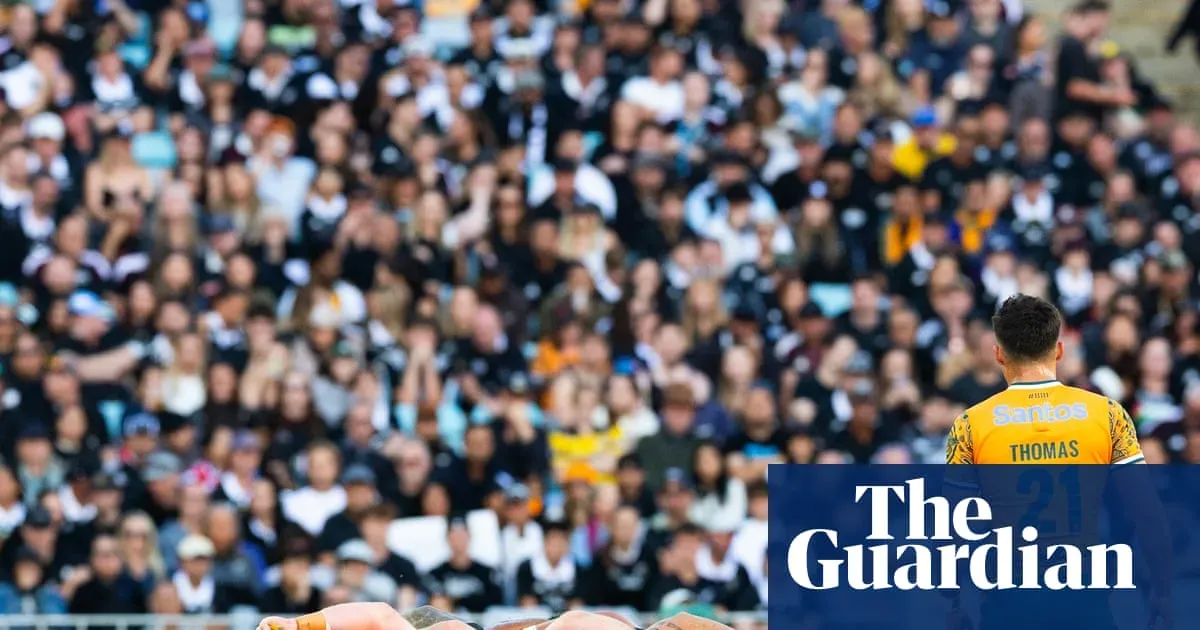
A pay dispute between Rugby Australia and the players' union is casting a shadow over the Wallabies' preparations for their match against England in the Nations Championship.
The standoff is causing tension within Australian rugby, coming just a year before the country hosts the World Cup. The issue has been brewing since the previous collective bargaining agreement expired in 2023, but negotiations for a new one have stalled. This has left the sport's future uncertain, according to Rugby Australia.
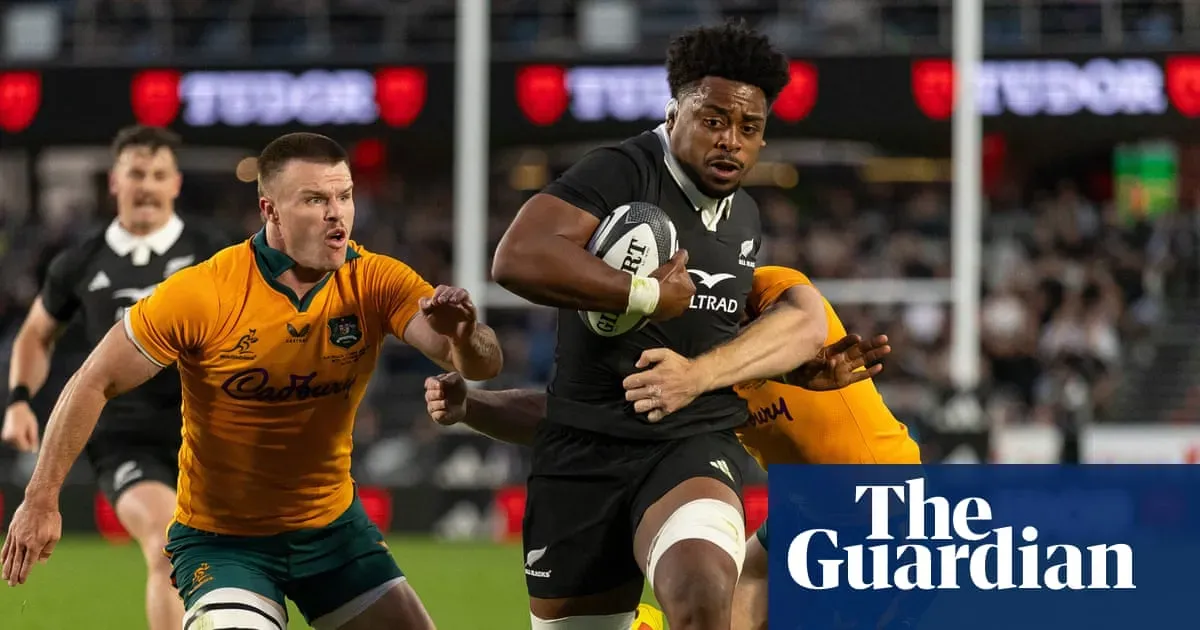
The Wallabies are set to face England at Allianz Stadium on Sunday afternoon local time, a match that is crucial for reversing their recent fortunes. They suffered two heavy defeats against New Zealand in the Bledisloe Cup last month, conceding 93 points with little resistance.
These losses came after the team had developed momentum under new coach Les Kiss, but the setbacks have put pressure on the team to deliver results in the Nations Championship. The fixture against England is a critical one for the Wallabies as they try to revive their performance.
The pay dispute has already affected the team's preparations, with questions about the bargaining process dominating the first press conference of the tour in the UK.
Rugby Australia's attempt to bypass the Rugby Union Players' Association (Rupa) has raised eyebrows among players on tour. A letter sent directly to players outlined RA's offer, sparking a heated response from Rupa president Tom Robertson. He expressed disappointment at the move, particularly given the Wallabies are currently on tour.
The underlying tension in this dispute stems from Rugby Australia's precarious financial situation. The governing body is struggling to make ends meet, having only recently cleared debts incurred during last year's British & Irish Lions matches. These lucrative tours come around infrequently, and officials know they will not have another opportunity to host a home men's World Cup for many years.
The need for fair compensation for players is clear-cut. Male rugby union players in Australia are already underpaid compared to their counterparts in rugby league. The recent broadcast deal between the NRL and Channel Nine/Kayo has highlighted this disparity, with the rival code set to increase player salaries through a seven-year agreement worth $5.3bn.
The financial realities of hosting major tournaments have put Rugby Australia's priorities into sharp focus. While the governing body is keen to squirrel away as much of the World Cup fee as possible, players are pushing for better pay and conditions. The situation is complex, with officials aware that they will not be able to rely on lucrative tours in the future.
The standoff between RA and Rupa has only just begun, with both sides dug in over their respective positions. While Rugby Australia sees its proposals as essential to securing the game's future, players are demanding fair compensation for their services. The outcome is far from certain, and will likely have significant implications for the sport as a whole.
The ongoing pay dispute between the Wallabies and Rugby Australia has reached a critical juncture as the two parties continue to negotiate the terms of their agreement. The current offer on the table increases payments for both men's and women's players, including an expansion of the Wallaroos' full-time program.
However, the players remain dissatisfied with certain aspects of the proposal, citing concerns over "basic protections" such as proper career-ending injury cover and fair conditions across the men's and women's game. This has led to a stalemate in negotiations, with both sides refusing to budge on key issues.
The dispute is taking place against a backdrop of broader challenges facing rugby union in the region. Rivals from the rugby league code have been receiving generous funding from the Australian government to develop talent in the Pacific, while New Zealand Rugby faces significant financial losses in the coming years.
This has added an element of urgency to the negotiations between the Wallabies and Rugby Australia. The next 12 months present a critical opportunity for the sport to return to its former glory, with Australia last hosting the World Cup in 2003. However, given the current state of play, it is unlikely that the Wallabies will be among the favorites to win the trophy.
Despite this, high-profile World Cup failures would have far-reaching consequences for the sport as a whole. A repeat of the thrashings suffered by the Wallabies at the hands of the All Blacks last month would not only squander this opportunity but also send rugby union backwards in Australia.
The stakes are high, and every ounce of performance must be squeezed from the still-improving playing group. In a year where so much is at stake, it is imperative that the Wallabies and Rugby Australia present a united front to maximize their chances of success.
With the outcome far from certain, the implications for rugby union in Australia will be significant. The sport's future hangs in the balance, and the next few months will be crucial in determining its trajectory.
The pay dispute between Rugby Australia and its players has reached a critical point, with the expiration of their agreement allowing athletes to take industrial action. This could include media boycotts, protests, or other forms of dissent, echoing a similar situation in 2023 when rugby league players took a stand against the NRL.
A notable precedent for this type of dispute occurred in 2023, where rugby league players expressed their discontent by covering up the NRL logo on their shirts and refusing to engage with media outlets as usual. The NRL responded by using its media partners to present its own narrative. This weekend's Australian broadcast of the Wallabies match against England will provide insight into the depth of feeling among fans.
The upcoming matches, including three more this month, will be closely watched for signs of fan reaction and support for the players' cause. Despite some optimism from Rugby Australia officials that a resolution can be reached, tensions remain high, setting the stage for a potentially contentious period in Australian sports.
Facts based on reporting originally published by The Guardian Sport.
You may republish this story, in full or in part, if you credit Noti Group and link to it (licence CC BY 4.0). Photos are not included.