




Oobah: Scams for a Better Tomorrow announced by HBO as new documentary comedy series
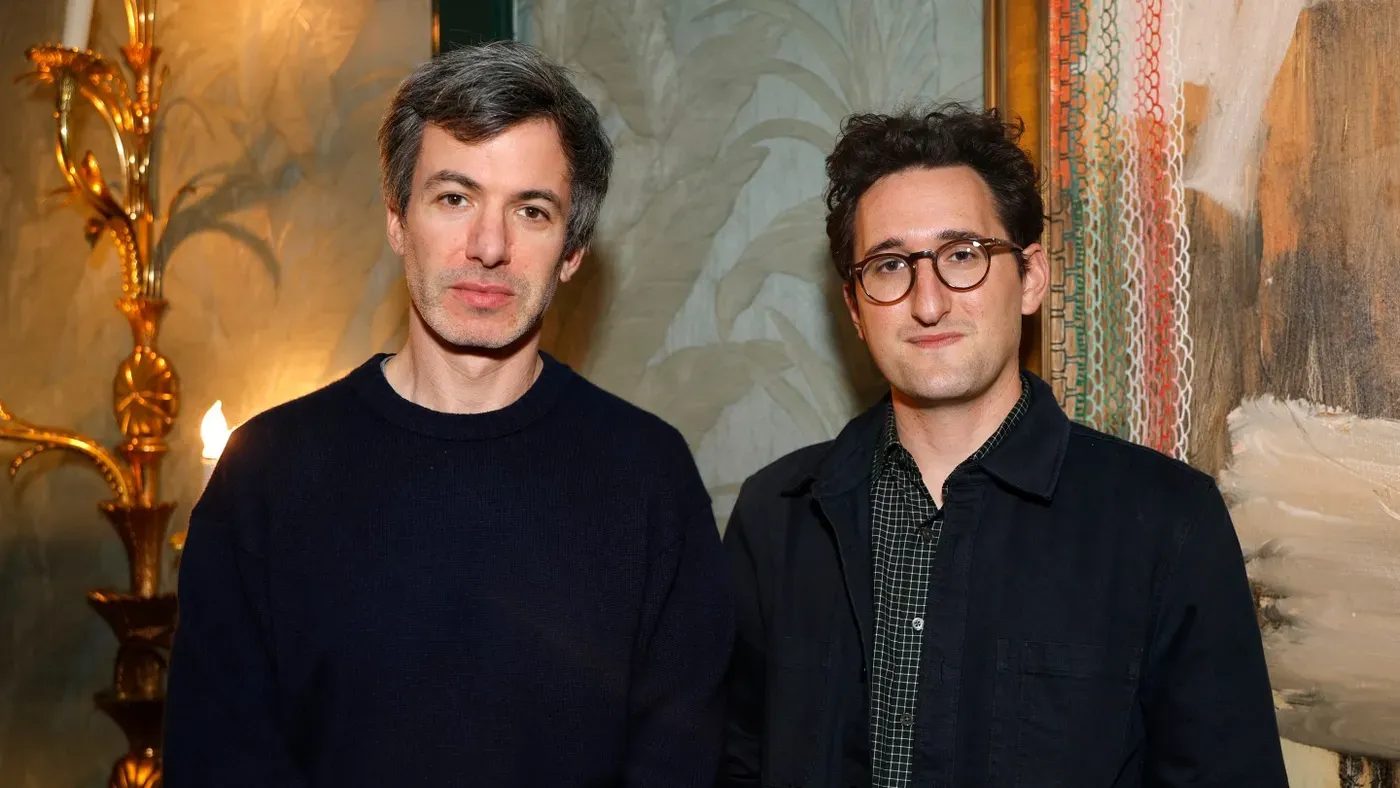
The series will be hosted and created by Oobah Butler, who is known for his cheeky brand of muckraking, and directed by Daniel Lucchesi.
HBO has announced a new documentary comedy series, Oobah: Scams for a Better Tomorrow, which promises to expose the many scams and deceptions of modern life through a unique blend of fact-based pranking.
The series will be hosted and created by Oobah Butler, a British personality known for his cheeky brand of muckraking. While Butler's profile may be lower in the US compared to the UK, where he is more established, his style of investigative journalism has drawn comparisons to that of Nathan Fielder, creator of popular docu-comedies like "Nathan for You" and "The Rehearsal.
However, these comparisons are not entirely accurate. Butler's approach is distinct from Fielder's, with a focus on fact-based pranking that sets him apart from his American counterpart. In the UK, Butler has built a reputation for himself as a truth-teller, often using humor to expose the scams and deceptions of modern life.
The new series, Oobah: Scams for a Better Tomorrow, will be directed by Daniel Lucchesi and air on HBO at 11pm on Sunday, November 22. With its unique blend of comedy and investigative journalism, this series is sure to spark interesting conversations about the many scams and deceptions that we encounter in our daily lives.
As we dive deeper into the world of Oobah: Scams for a Better Tomorrow, it becomes clear that Butler's approach is not just about exposing scams, but also about highlighting the human impact of these deceptions. With its thought-provoking content and humorous tone, this series is poised to captivate audiences and leave them questioning the world around them.
The latest addition to HBO's Friday late-night lineup is Oobah: Scams for a Better Tomorrow, a comedy documentary series that combines thought-provoking content with humor. The show's creator, Oobah Butler, has made a name for himself by exposing scams and socially endorsed frauds in various projects.
Butler's interest in the subject matter is evident in his previous work, including Vice exposés, a bestselling book, and several television documentaries. His expertise allows him to convincingly execute elaborate pranks on unsuspecting individuals, often with surprising results.
One of Butler's most notable exploits was transforming a garden shed into London's top-rated restaurant on TripAdvisor back in 2017. This stunt showcased his ability to manipulate online systems and ratings, leaving many wondering how he managed it.
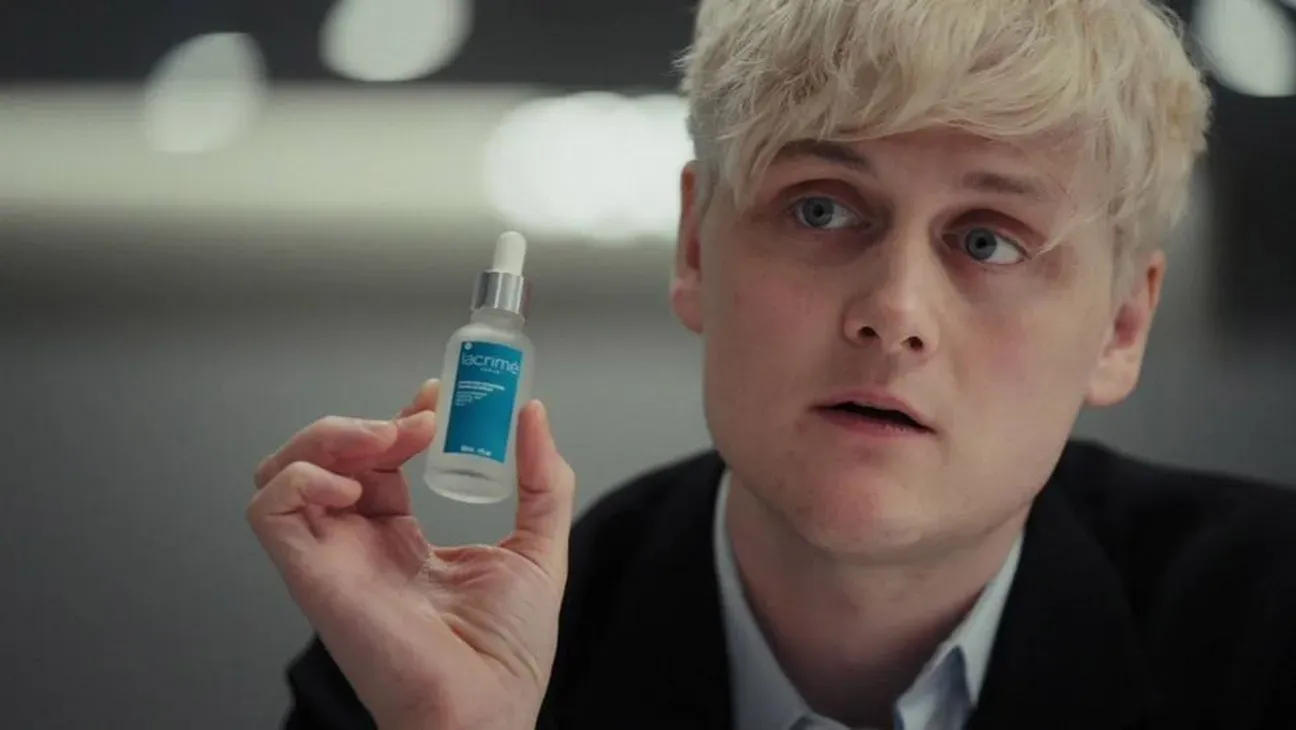
The five episodes of Oobah: Scams for a Better Tomorrow follow a similar pattern, with each one featuring Butler attempting to create or capitalize on a new scheme. In the first episode, Wellness, he creates a fictional product called Lacrimé, a serum derived from children's tears that supposedly has health benefits.
In subsequent episodes, Butler tries his hand at various other scams, including turning bad wine into a commercial success and creating a viral social media phenomenon with a 15-second musical hook. His antics are often eye-opening and occasionally humorous, if not always revealing or profound as he likely intends them to be.
The series' focus on the ways people can manipulate systems and ratings raises important questions about modern society and our willingness to participate in scams. As Butler navigates the world of online deception, viewers are left wondering what exactly is real and what's just a clever ruse.
As Butler navigates the world of online deception, his methods often walk a thin line between entertainment and exploitation.
Some of his tactics are transparently shallow, relying on familiar tropes to elicit a reaction from those around him. For instance, who wouldn't be skeptical about the authenticity of a musical release if it's being touted by friends and family?
Butler's more devious strategies involve exploiting loopholes in systems designed to protect consumers. He digs up obscure details about wellness product claims, using this knowledge to manipulate others into endorsing his subpar products.
In other cases, Butler's methods are disturbingly effective, allowing him to achieve his goals through a combination of psychological manipulation and clever deception. He even goes so far as to create a fake AI dating site, where unsuspecting singles engage in conversations with each other under the assumption that they're interacting with a digital character.
This level of complexity is reminiscent of Nathan Fielder's work on Nathan for You, but Butler's approach lacks the empathy that made Fielder's pranks feel so nuanced. Instead, Butler's detachment makes it difficult to gauge his true motivations and intentions.
The line between entertainment and exploitation is constantly blurred as Butler pushes the boundaries of what's acceptable in pursuit of his goals, leaving viewers to question their own reactions and emotions.
In Scams for a Better Tomorrow, Oobah Butler's focus lies not on individuals but on the industries and institutions that underpin modern life. His interest is in exposing the flaws and weaknesses of these entities, which he believes are ripe for exploitation. The wellness industry, royalty, and contemporary music are among the targets of his scrutiny.
To some extent, Butler's approach can be seen as a form of social commentary, albeit one that often blurs the lines between critique and manipulation. He presents himself as an outsider looking in, but his tactics raise questions about whether he genuinely cares for those affected by his actions. The wine critic from The New York Times and the princess of Cambodia are among those who become entangled in his schemes.
In a bid to humanize himself, Butler frequently engages in conversations with attorneys, who serve as sounding boards for his plans. He seeks reassurance that he's not breaking any laws, using an overt display of concern to mask his true intentions. These exchanges are intended to address the question of how he manages to evade accountability.
However, these attempts at introspection often fall flat, particularly given the show's tight 30-minute format. As a result, Butler's alleged regrets are fleeting and easily lost in the rush of events. His character is portrayed as the driving force behind the series, rather than a nuanced figure with complex motivations.
The pace of Scams for a Better Tomorrow can be frenetic at times, leaving little room for character development or satisfying conclusions to individual episodes. Despite this, Butler remains a central figure, pushing forward with his plans regardless of their impact on those around him.
In the end, it's unclear whether Butler is truly committed to exposing the scams he claims to despise or if he's simply using them as a means to an end. His actions and motivations continue to raise questions about the line between entertainment and exploitation in this thought-provoking comedy doc series.
The documentary series Scams for a Better Tomorrow takes a different approach from Nathan Fielder's style in The Rehearsal, where the focus is on the creative process and the art of deception. In contrast, Oobah Butler's series is more about exposing the mechanics behind various scams and cons.
One notable aspect of Butler's documentary is his tendency to provide detailed evidence for each scam he presents. This approach makes Scams for a Better Tomorrow feel more like a comprehensive guide to modern life's many deceptions than a work of magic or illusion.
The Dating Apps episode stands out as the most challenging to accept, requiring significant suspension of disbelief and a considerable amount of creative license on the part of Butler and his producers. While this episode may have some benefits, it ultimately feels like a missed opportunity for deeper exploration and empathy.
Watching Scams for a Better Tomorrow in weekly installments might be more effective than binge-watching the entire series at once. The show's central message, that modern life is rigged to obscure its own manipulation, is hammered home repeatedly, but with limited insight into the broader cultural implications.
The documentary's focus on exposing the scams themselves leaves little room for deeper critique or analysis of the societal impact. It is unclear whether this was a deliberate choice or simply a limitation of the format.
Ultimately, Scams for a Better Tomorrow" raises more questions about the line between entertainment and exploitation than it answers, leaving viewers to ponder the implications of its thought-provoking but sometimes troubling content.
Facts based on reporting originally published by The Hollywood Reporter.
You may republish this story, in full or in part, if you credit Noti Group and link to it (licence CC BY 4.0). Photos are not included.