





You Can See Everything Breaks Box Office Records
The documentary has captured audiences with its unique blend of intimate access, news-making revelations, and audacious formal choices.
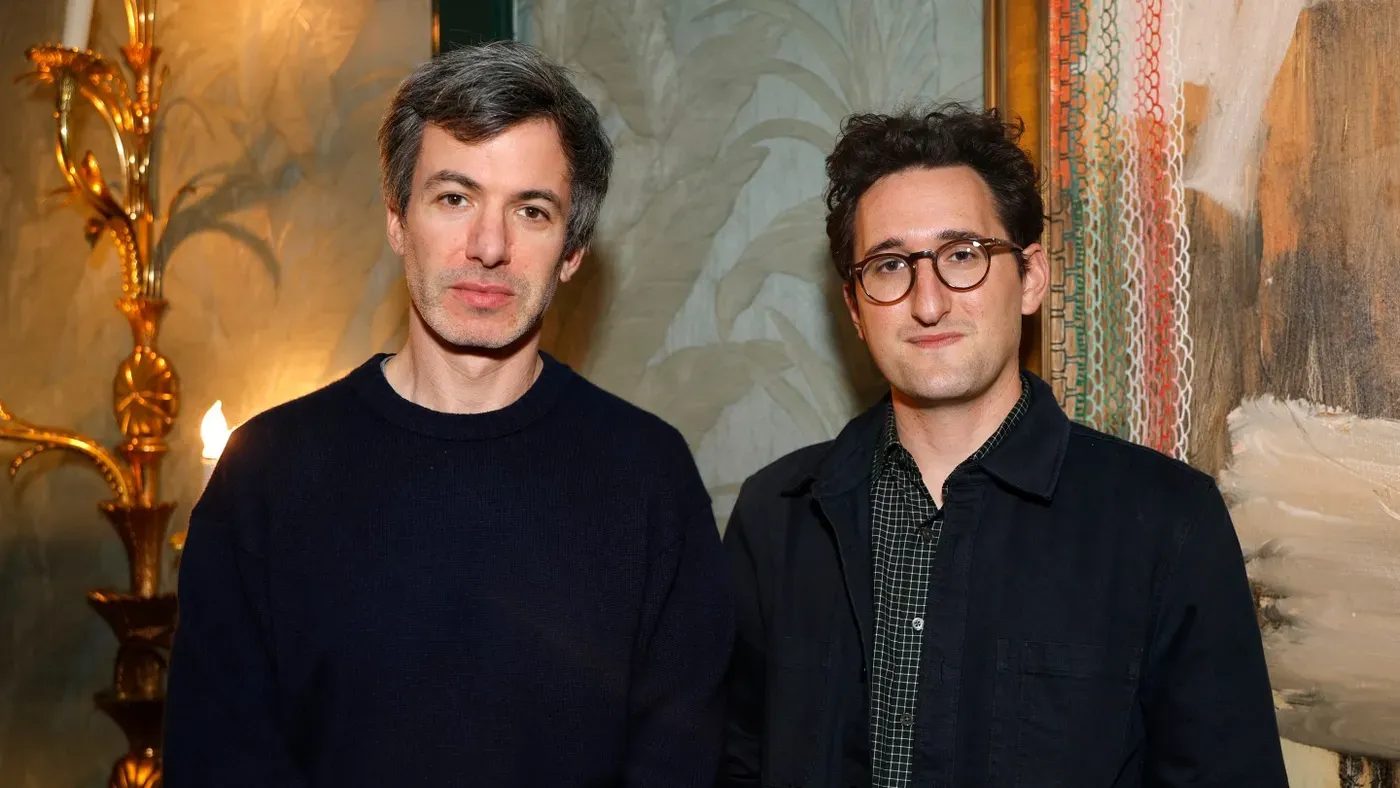
The documentary "You Can See Everything has taken the world by storm, opening as one of the most successful documentaries at the North American box office and making a strong case for an Oscar nomination. This three-hour film, directed by Nathan Fielder and Lance Oppenheim, has captured the imagination of audiences with its unique blend of intimate access to its subjects, news-making revelations, and audacious formal choices.
The film's success is all the more remarkable considering it was only released a few weeks ago. Before its premiere at the Telluride Film Festival, very little was known about You Can See Everything. However, since then, the documentary has generated intense buzz, with audiences eager to experience the secrets and surprises that lie within.
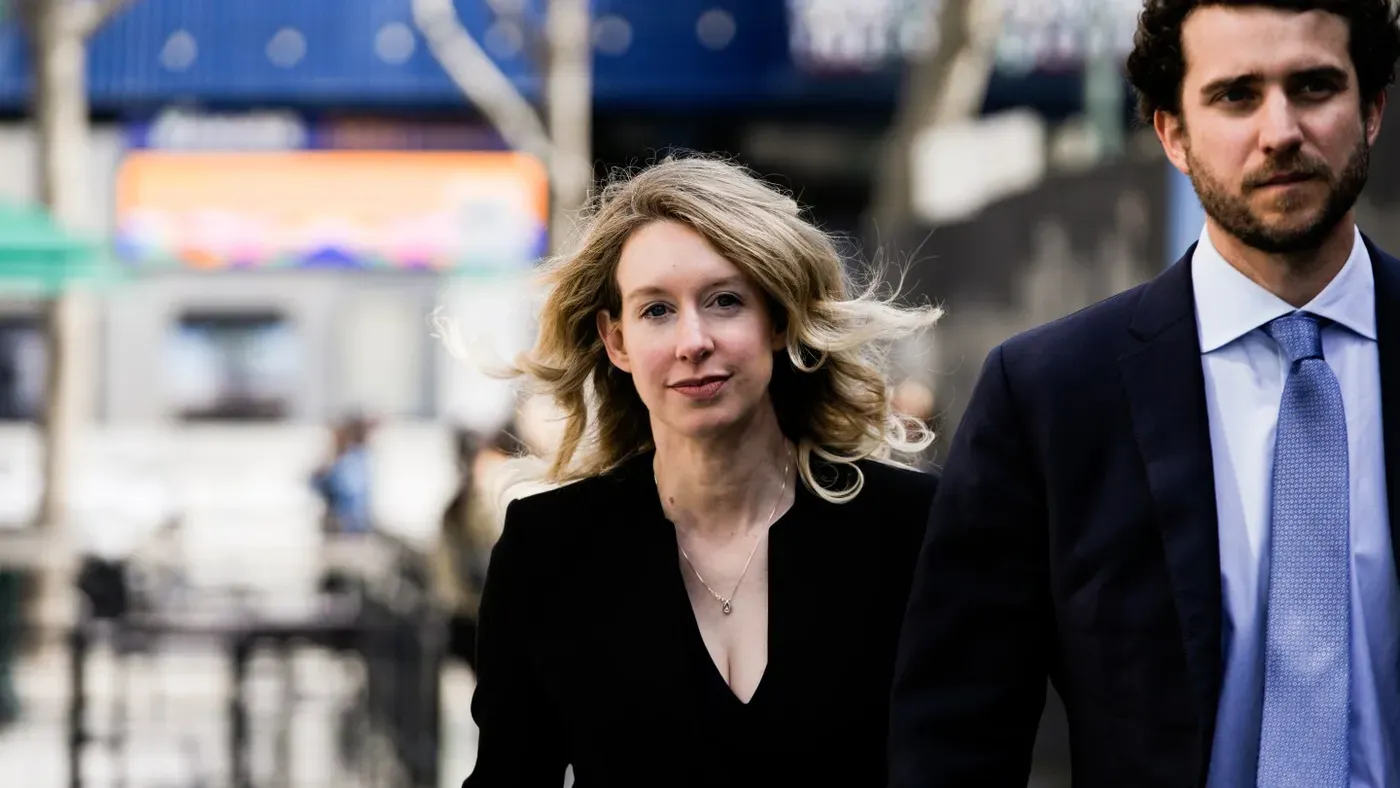
One of the key aspects of the film's appeal is its portrayal of Elizabeth Holmes' life in the months leading up to her prison sentence. Viewers knew going into the cinema that the film would depict this period, but they could hardly have anticipated the surreal dynamics between Holmes and her husband Billy Evans, as well as Fielder's own presence on camera.
Fielder's appearance in the film is just one of the many surprises that await viewers. The documentary takes a dramatic turn in its final act, with a flash-forward that finds Fielder and Oppenheim's access to Holmes slipping away. In response to this development, Amanda Seyfried is introduced to help complete the film, reenacting key scenes and conversations from her time with Holmes.
The use of Seyfried in the film has sparked significant discussion among viewers, who are still processing the many revelations and surprises that lie within You Can See Everything. This phenomenon was reflected in a recent Q&A session featuring Fielder and Oppenheim at the SCAD Savannah Film Festival.
During this conversation, Fielder and Oppenheim shared their thoughts on the big surprises in the film, while also acknowledging the challenges of making a documentary that delves deep into the world of a real-life human optical illusion. Their comments offer a fascinating glimpse into the creative process behind You Can See Everything.
Audiences have been drawn to the film's unique blend of intimacy and revelation. By gaining extensive access to its subjects, Fielder and Oppenheim have created a documentary that feels both deeply personal and universally relevant.
The success of You Can See Everything has raised questions about the future of documentary filmmaking. Will this film's bold approach and innovative storytelling pave the way for new types of documentaries? Only time will tell, but one thing is certain: You Can See Everything has left an indelible mark on the world of cinema.
Fielder and Oppenheim's collaboration on You Can See Everything marks a significant milestone in their careers. Both directors have built reputations for pushing boundaries and taking risks in their work.
The crew of You Can See Everything consisted of a seven-person team that moved into the household to capture intimate moments. The filmmakers initially considered keeping Nathan Fielder off-camera, but his presence soon became an organic part of the narrative.
Lance Oppenheim recalled how Nathan's interactions with Elizabeth and Billy were being recorded from early on in filming. The footage showed Nathan asking questions, which seemed to prompt nonverbal reactions from the subjects. This unexpected development led Oppenheim to consider using Nathan as a way to pull Elizabeth back into reality.
The initial setup of having seven crew members proved ineffective, particularly when it came to capturing the first nonverbal reactions on people's faces after being asked questions. The filmmakers realized that they were losing crucial moments due to panning between subjects and Nathan.
Nathan Fielder emphasized the importance of capturing these initial reactions in evaluating honesty and sincerity. He noted that a person's response before answering a question can be just as telling as their answer itself.
The crew adapted by pulling the cameras back more and incorporating wide shots to cover the entire house, while also using zoom lenses to capture intimate moments from a distance. This allowed for a balance between capturing the overall environment and focusing on specific interactions.
The team had limited personnel in the household at any given time, with only two or three people besides Nathan and Oppenheim present. This restriction led to creative solutions in terms of camera placement and operation.
Oppenheim mentioned that Jonathan Mitchell, an experienced operator who had worked with Nathan before, was instrumental in capturing key moments on camera. Mitchell's experience proved invaluable in adapting to the unique demands of this project.
The filmmakers' goal was to create a nuanced portrayal of everyday life, highlighting the complexities and subtleties of human interactions. By embracing the challenges presented by their setup, they aimed to produce a thought-provoking documentary that would resonate with audiences.
As the production continued, the crew refined their approach, leveraging their experience and creative problem-solving skills to overcome obstacles and capture the essence of You Can See Everything.
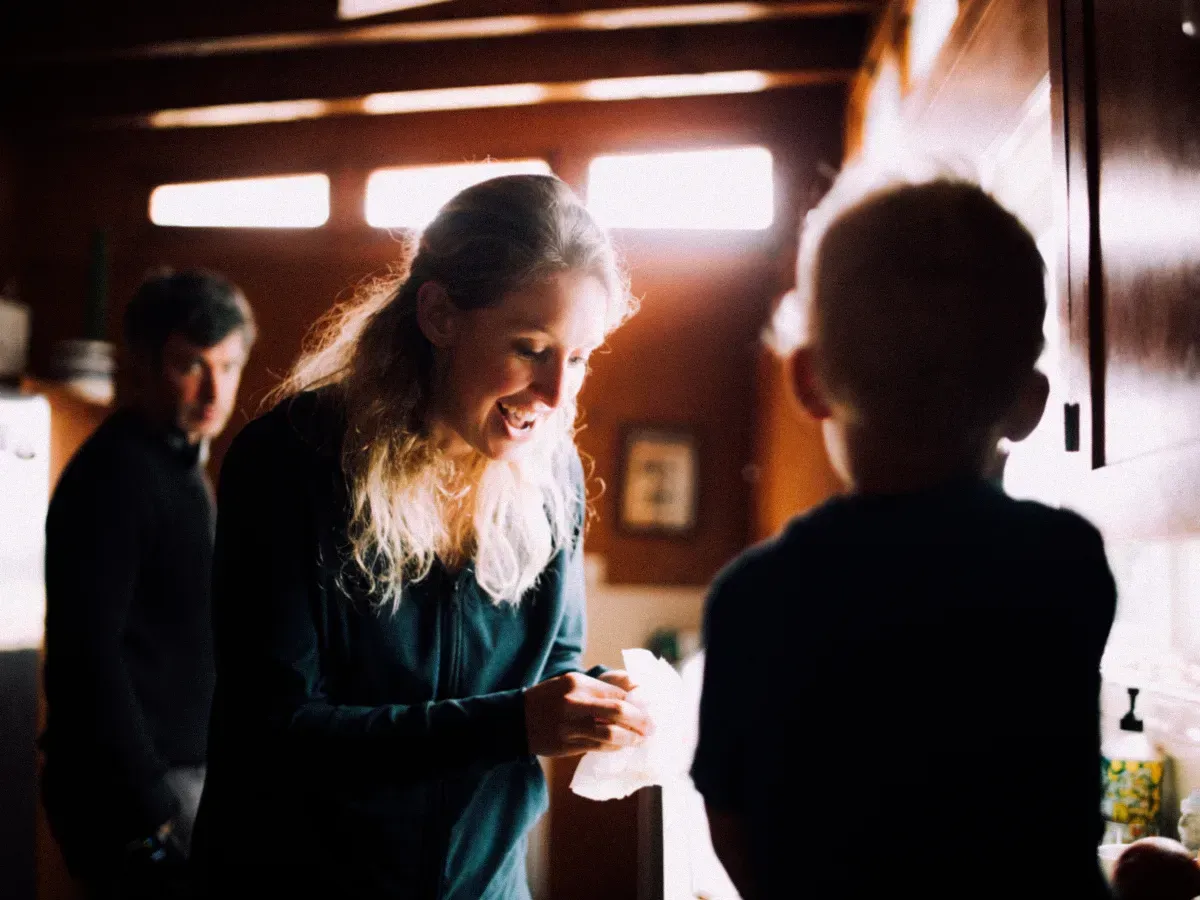
As the crew continued to film Elizabeth's daily life, they began to notice a peculiar phenomenon - before cameras were even rolling, she and her husband would start discussing their plans for the day, often trying to catch the filmmakers off guard.
This unexpected behavior was seen as relevant to the documentary, suggesting that Elizabeth had a particular idea of what was being filmed. The crew responded by setting up cameras in strategic locations around the house, capturing the couple's interactions even when they thought no one was watching.
One notable example is the scene where Billy mentions going to the gym. If viewed without context, it appears as a casual conversation. However, knowing that Elizabeth had previously suggested filming this moment makes it clear that she was trying to shape the narrative of their lives.
This dynamic highlights the challenges faced by the filmmakers in capturing authentic moments. By embracing verité film techniques, they aimed to create an immersive experience for the audience.
In retrospect, the crew's approach may seem novel, but it is actually rooted in traditional documentary filmmaking methods. As Lance Oppenheim notes, the film's unique blend of styles - including reenactments and a director on camera - is not new, but rather a response to the complexities of the subject matter.
The filmmakers were dealing with a real-life human optical illusion, where Elizabeth's behavior was both fascinating and bewildering. This required them to adapt their approach, using a range of techniques to capture the essence of their story.
Nathan Fielder recalls that during filming, there were many moments that didn't immediately make sense. It wasn't until reviewing the footage later that they began to piece together the narrative.
The who's on first scene is a prime example of this process. The crew was present for over a month, and some events may have slipped their minds temporarily. However, upon reviewing the footage, they realized the significance of these seemingly inexplicable moments.
These unusual occurrences sparked intense discussions among the filmmakers, who would often talk about them extensively during editing sessions. Fielder notes that it's challenging to capture authentic moments when you're simply observing and can't influence events.
The crew's response was to lean into these enigmatic scenes, recognizing their value in creating a rich and nuanced portrait of Elizabeth's life.
The documentary's subjects, Billy and Elizabeth, were aware of the crew's presence throughout the filming process.
They knew Nathan Fielder and Lance Oppenheim were there to capture their lives, but they still maintained a sense of control over what was being recorded.
Fielder acknowledges that he initially expressed his own reservations about participating in the project, which added an extra layer of complexity to the dynamic between the crew and the subjects.
The tension was palpable at times, but Fielder emphasizes that the crew never felt pressured or forced into staying when they sensed their presence wasn't welcome.
In fact, Fielder made it clear from the outset that if tensions ran high, the crew would leave without hesitation, respecting the family's boundaries and decision to participate in the documentary.
The subjects' response was firm but polite, with Billy and Elizabeth consistently expressing a desire for the crew to stay and continue filming.
This exchange highlights the intricate dance between the crew and the subjects, where lines were blurred and expectations were constantly shifting.
The crew's willingness to adapt and navigate this unpredictable situation allowed them to capture moments that might have been lost or overlooked in more traditional documentary approaches.
The reactions to You Can See Everything have been varied and often unpredictable, according to Lance Oppenheim.
Seeing the film with audiences is a unique experience for Oppenheim, as it seems to elicit different responses from each viewing. The documentary maker likens this phenomenon to an evolving Rorschach test, where he witnesses a pattern of behavior emerge over time that may not be immediately apparent.
This observation is particularly striking given Oppenheim's previous experiences with documentaries, which often involve spending years with the subjects. In contrast, You Can See Everything" allowed him to witness significant changes in Elizabeth's behavior, making it harder to categorize her actions as conscious or unconscious.
Oppenheim notes that operating within a binary framework can be limiting when dealing with complex issues like those presented in the film. He suggests that human behavior often exists in a gray area between these extremes, where motivations and awareness are intertwined.
Nathan Fielder observes that the current reactions to the documentary have created an interesting dynamic. With so many people viewing the film, he's been able to see different perspectives emerge, which has provided valuable insights into the story.
Fielder also notes that proximity plays a significant role in shaping reactions to the documentary. When working closely with Elizabeth and Billy, it was difficult to separate their perspectives from the objective reality of the situation.
However, now that the film is being viewed by a broader audience, Fielder is seeing people bring their own experiences and biases to the table. This has created a complex tapestry of reactions, making it challenging for him to distinguish between what's on screen and what's coming from individual viewers.
The documentary's focus shifted in the second half, as Oppenheim and his team lost access to Elizabeth but continued to explore her story. They were particularly interested in the business side of things, specifically Billy's efforts to develop a product related to Elizabeth's work.
Oppenheim recounts that they initially thought it would take 365 days for Billy to have something to show them, but it ultimately took two years. During this time, Oppenheim and his team encountered new challenges as they tried to reach out to people outside of the immediate circle around Elizabeth.
Their efforts were hindered by the perception that Elizabeth was a toxic personality, which made some individuals reluctant to participate in the documentary.
The filmmakers were still grappling with the narrative even after assembling the first half of the documentary. They felt that something was missing, despite the dramatic conclusion of Elizabeth's prison sentencing. This sense of incompleteness led them to continue exploring the story.
A crucial turning point came when they reached out to Amanda, who invited them over for an informal conversation, accompanied by cameras.
Facts based on reporting originally published by The Hollywood Reporter.
You may republish this story, in full or in part, if you credit Noti Group and link to it (licence CC BY 4.0). Photos are not included.