






Daniel Ek invests in Europa Fusion startup
Europa Fusion aims to develop fusion power technology using a data-driven approach.
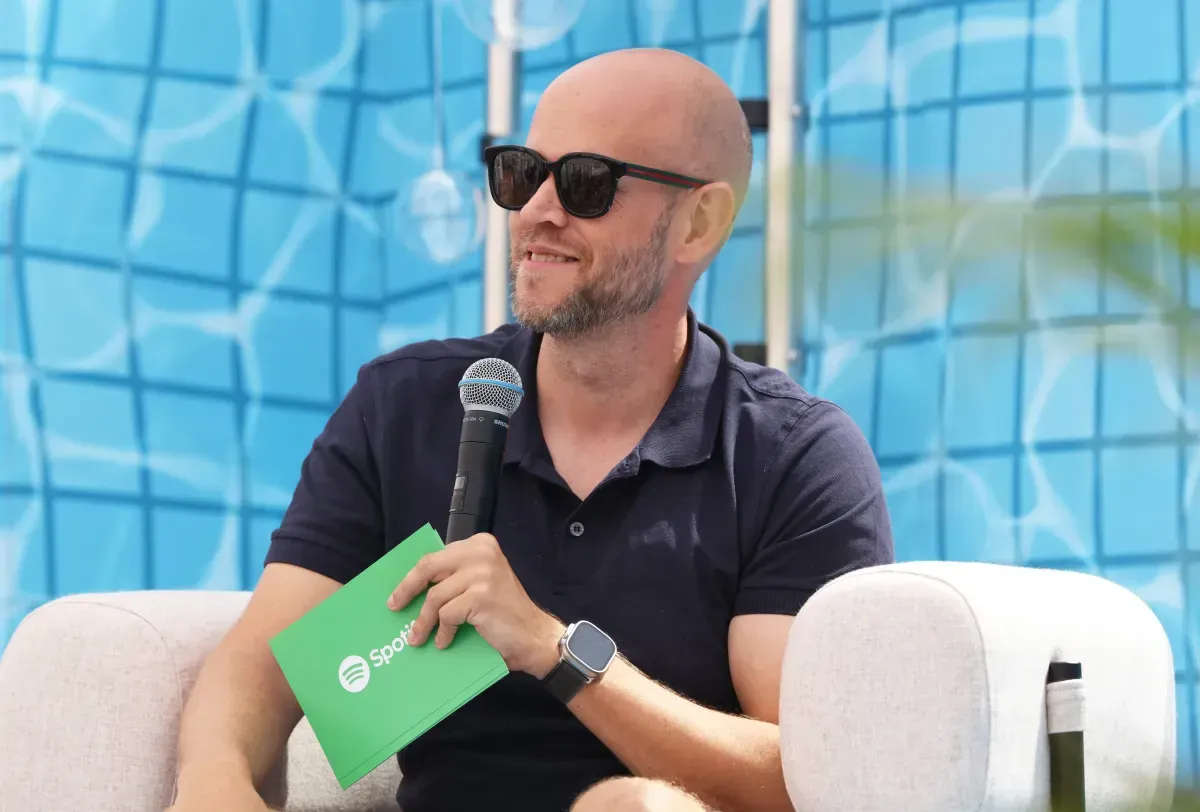
Daniel Ek, the founder of Spotify, has invested in a new startup that's working on fusion power technology. The company, Europa Fusion, was founded by Nantas Nardelli, an AI researcher who brings significant experience to the table. According to sources, Nardelli has been exploring this idea for some time and finally decided to turn it into a reality.
Nardelli's background in artificial intelligence is extensive, having previously worked at Google DeepMind, Facebook AI Research, and Microsoft Research Cambridge. In his most recent role, he was leading the machine learning team at Pacific Fusion, another fusion power startup based in California. However, Nardelli had reservations about the direction Pacific Fusion was taking.
Pacific Fusion has been working on a demonstration facility in New Mexico and has broken ground on it recently. The company is following a traditional approach to fusion, relying heavily on physical devices to test its theories and refine its simulations. This seems to be at odds with Nardelli's own vision for the field.
In contrast, Europa Fusion will take a more data-driven approach, focusing on simulation and analysis rather than just building hardware. This is in line with Nardelli's views on how fusion startups should operate. By prioritizing simulation and data collection, Europa Fusion aims to make significant strides in the development of fusion power technology.
Europa Fusion will employ a pulsed-power approach to fusion, using massive electrical currents to compress fuel targets and facilitate nuclear reactions. This method is similar to that used by Pacific Fusion, but Nardelli's company will bring a fresh perspective to the field with its emphasis on simulation and data analysis.
Fusion power has long been touted as a promising solution to the world's energy needs, but so far, no commercial-scale power plant has been built. However, researchers believe that if fusion can be made viable, it could provide nearly limitless carbon-free electricity.
The potential benefits of fusion power are numerous, and one of its most significant advantages is its ability to alleviate concerns about AI's growing energy consumption. As the tech industry continues to advance, its energy demands are also increasing, putting a strain on the grid and contributing to greenhouse gas emissions.
Nardelli's decision to pivot from AI research was likely driven by his desire to tackle climate change head-on. His background in electronics and control engineering, which he has highlighted on his website, suggests that he is well-equipped to tackle complex technical challenges.
While fusion power may seem like a distant goal, researchers are making progress towards making it a reality. Nardelli's company is one of several startups working on this technology, and its focus on simulation and data analysis could bring a fresh perspective to the field.
The startup's innovative approach combines advanced simulation and data analysis techniques to drive breakthroughs in fusion power technology. This method could potentially provide a fresh perspective on the field by leveraging cutting-edge AI capabilities. The company's focus on simulation is key to its approach, allowing it to model complex systems and optimize performance.
By using data analysis, the startup aims to identify patterns and trends that can help improve efficiency and safety in fusion power plants. This multidisciplinary approach has the potential to accelerate progress in the development of commercial-scale fusion reactors. The company's research is still in its early stages, but it has already garnered significant attention from industry leaders and investors.
As the startup continues to advance its technology, it may well make a major contribution to the quest for clean and sustainable energy sources.
Facts based on reporting originally published by TechCrunch.
You may republish this story, in full or in part, if you credit Noti Group and link to it (licence CC BY 4.0). Photos are not included.