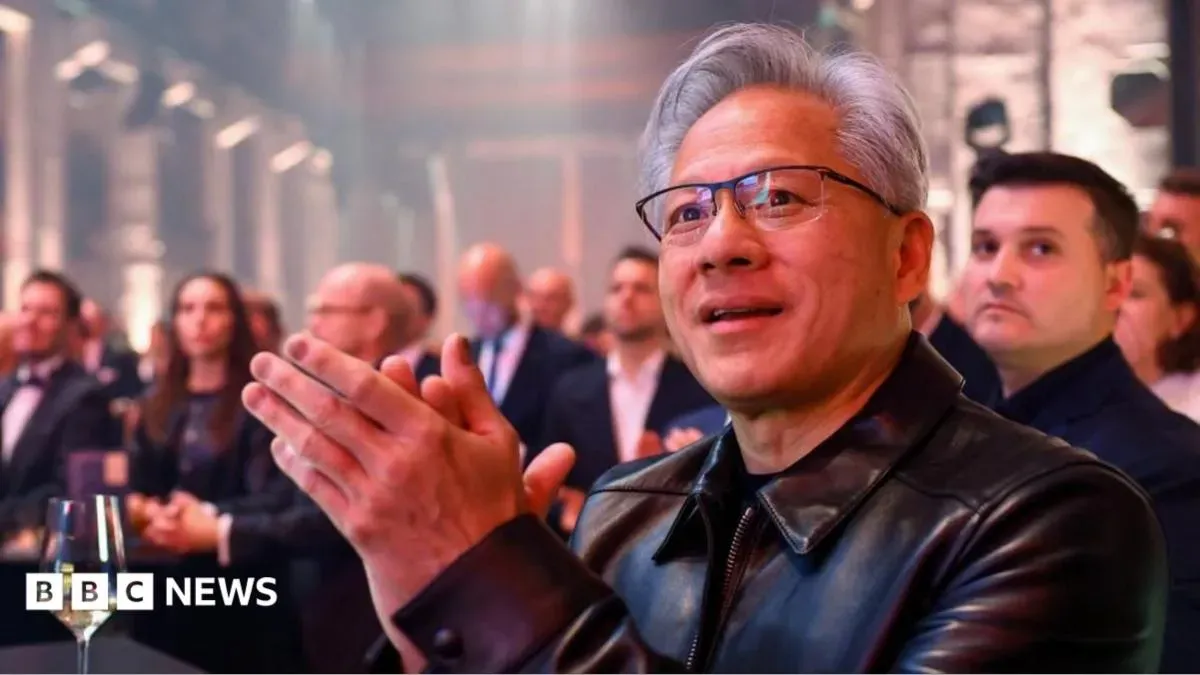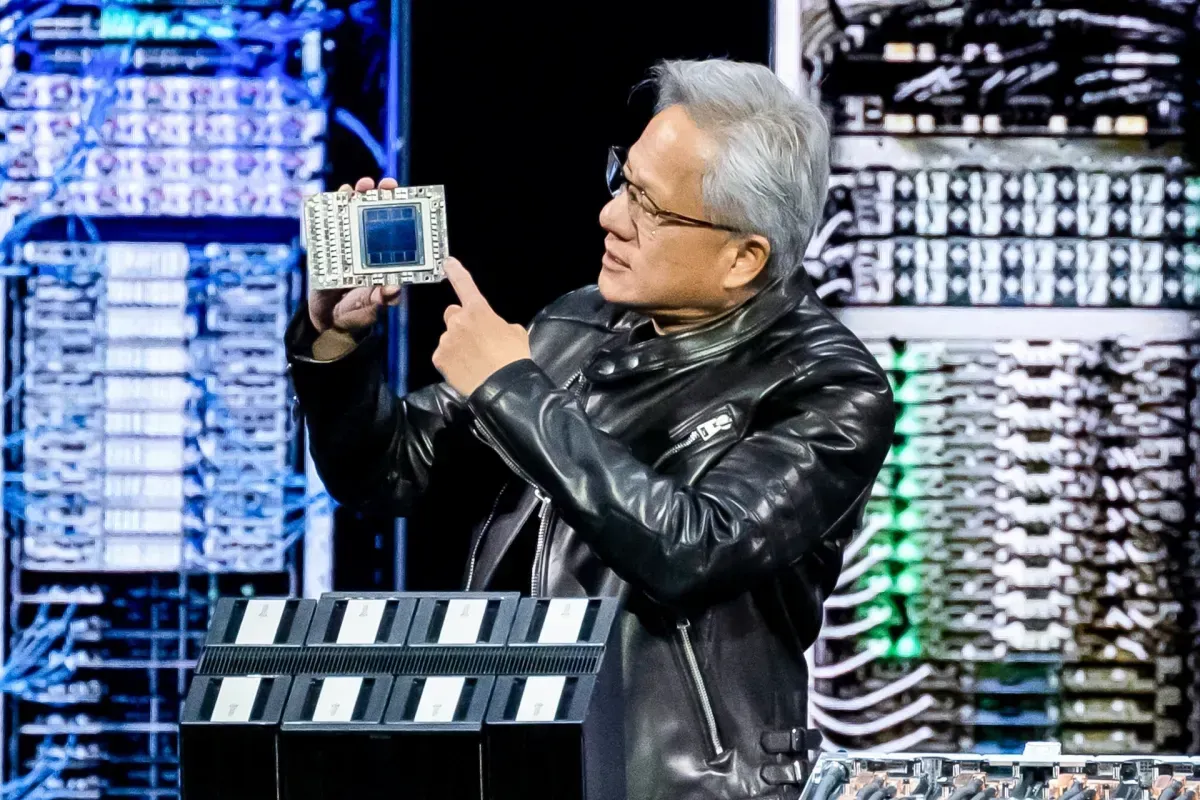








Nvidia Co-Founder Resigns Amid Allegations of Extramarital Affairs
The sudden resignation of Nvidia co-founder Jensen Huang has sent shockwaves through the company, wiping hundreds of billions off its stock market value.
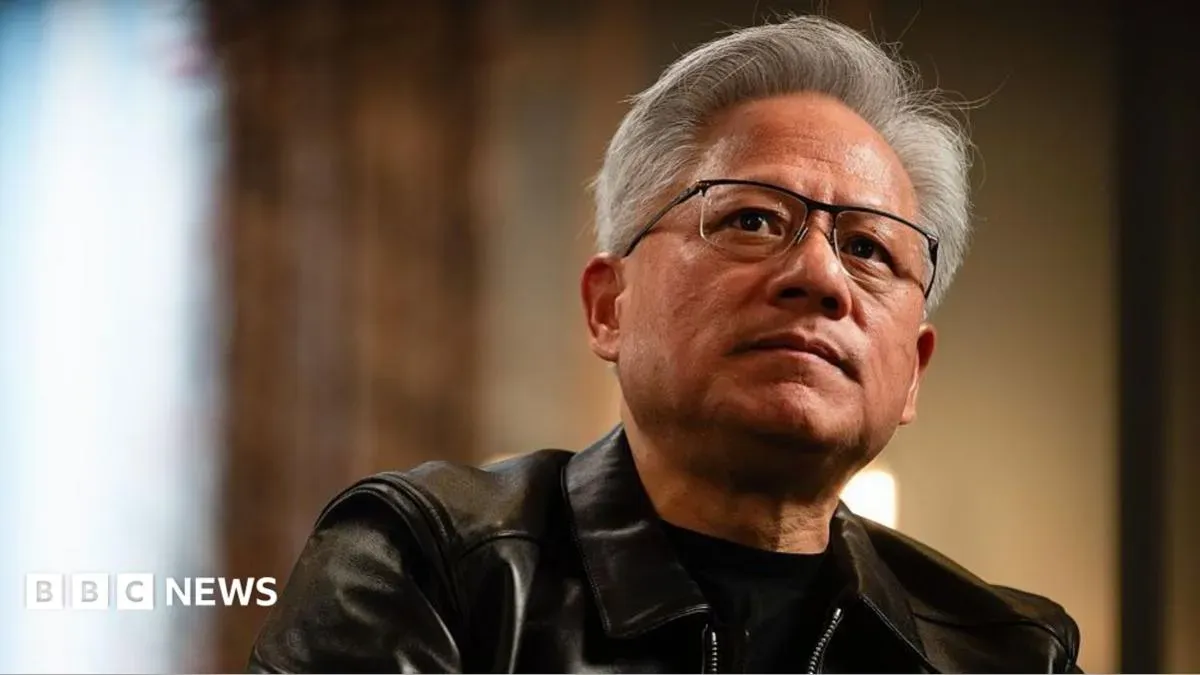
Nvidia, a leading US microchip manufacturer, has been at the forefront of the Artificial Intelligence (AI) spending boom in recent years. The company's co-founder Jensen Huang played a crucial role in positioning Nvidia as a key player in the development of AI technology. This partnership has now come to an abrupt end due to Huang's resignation over allegations of extramarital affairs, one of which is claimed to have involved a Chinese spy.
The scandal surrounding Huang's departure has sent shockwaves through the company, with hundreds of billions of dollars being wiped off Nvidia's stock market value in a matter of days. The extent of the impact of Huang's resignation on the American economy remains uncertain, but it is clear that the news has sparked widespread concern.
Nvidia's role in the booming US stock market cannot be overstated. Despite not being as well-known to the general public as other tech giants such as Apple and Amazon, the company has been a major contributor to the growth of the American economy through its investments in AI research and data centre construction.
The billions of dollars being poured into AI development have had a significant impact on the US economy, with Nvidia being one of the largest spenders.
Nvidia's dominance in the market for chips used in AI systems has come at a price: its value has skyrocketed to $3.8 trillion, making it one of the most valuable firms globally.
The company's rapid growth shows no signs of slowing down, with quarterly sales doubling from a year earlier according to recent announcements.
Nvidia's success can be attributed in part to its leader Jensen Huang, who played a pivotal role in shifting the company's focus towards AI and maintained a tight grip on operations, with up to 200 people directly reporting to him.
The departure of Huang poses a risk that Nvidia may reassess its current strategy and rein in spending, which could have far-reaching consequences for the wider AI industry, says Dan Coatsworth, head of markets at AJ Bell.
Nvidia's strong commitments and deep order book are expected to mitigate the impact of Jensen Huang's departure from the company at least in the short term.
However, analysts warn that this could change over time due to Nvidia's complex web of deals with its customers and partners through circular financing arrangements.
These deals involve not only selling microchips but also providing funding to companies like Meta, SpaceX, and OpenAI by offering loans or investing directly in them.
As a result, some investors are concerned about what might happen if Nvidia were to suddenly cut off the flow of funds, potentially sparking a ripple effect through the supply chain.
The sudden resignation of Jensen Huang from Nvidia has sent shockwaves through the tech industry and beyond, causing a ripple effect on stock markets worldwide.
Huang's potential return to the company he co-founded is being touted by investors and supporters who are rallying behind the "Bring Jensen Back" campaign, while Musk warns that critical deals involving Nvidia's technology could be lost if Huang doesn't stay on board.
The use of circular financing by Nvidia has sparked concerns among investors about the firm's reliance on this unique funding model, which Coatsworth admits he has never seen used at such a massive scale before. However, he notes that there are competitive rivals in the semiconductor industry, including AMD and Broadcom, which could help insulate the wider AI sector from any potential slowdown.
The Nvidia share price plunge following the affair revelations was mirrored by a surge in rival semiconductor makers' stocks, including Marvell Technology, as investors looked to diversify their portfolios. Meanwhile, Coatsworth cautions that while a slowdown at Nvidia would not bring all AI activity to a grinding halt, it would undoubtedly change how people view the situation and potentially impact future investments in the sector.
The tech sector continues to play a significant role in supporting the US economy, particularly through investments in artificial intelligence (AI). According to Goldman Sachs, AI investment is expected to reach a staggering $1 trillion by 2026, solidifying its position as the main driver of business growth.
Nvidia's impressive growth trajectory remains unaffected by Jensen Huang's temporary absence from the company. Interim CEO Colette Kress has stated that operations are proceeding smoothly without him at the helm. Meanwhile, the value of shares in top tech companies has provided a buffer against global economic shocks such as tariffs, contributing to increased investments and pension funds worldwide.
Despite Huang's expressed willingness to return, Nvidia's board has ruled out bringing him back. This decision puts pressure on his successor to maintain the company's momentum.
Facts based on reporting originally published by BBC News Technology.
You may republish this story, in full or in part, if you credit Noti Group and link to it (licence CC BY 4.0). Photos are not included.