






MCU Spinoff VisionQuest Premieres on Disney+
VisionQuest explores its protagonist's identity as he navigates life in Edinburgh and grapples with his past and present selves.
The latest Disney+ drama, VisionQuest, kicks off with a nostalgic trip down memory lane for fans who have been following its complex storyline from the beginning.
As a spinoff to a spinoff of a Marvel Cinematic Universe (MCU) series, VisionQuest has inherited an intricate narrative that spans over 11 years. Even by MCU standards, this story has become increasingly convoluted and difficult to navigate.
The show's attempts to delve deeper into its characters' pasts often result in repetitive trips down memory lane, which can be exhausting for viewers who are not already invested in the series. When VisionQuest does manage to break free from these nostalgic tangents, it can be quite moving.
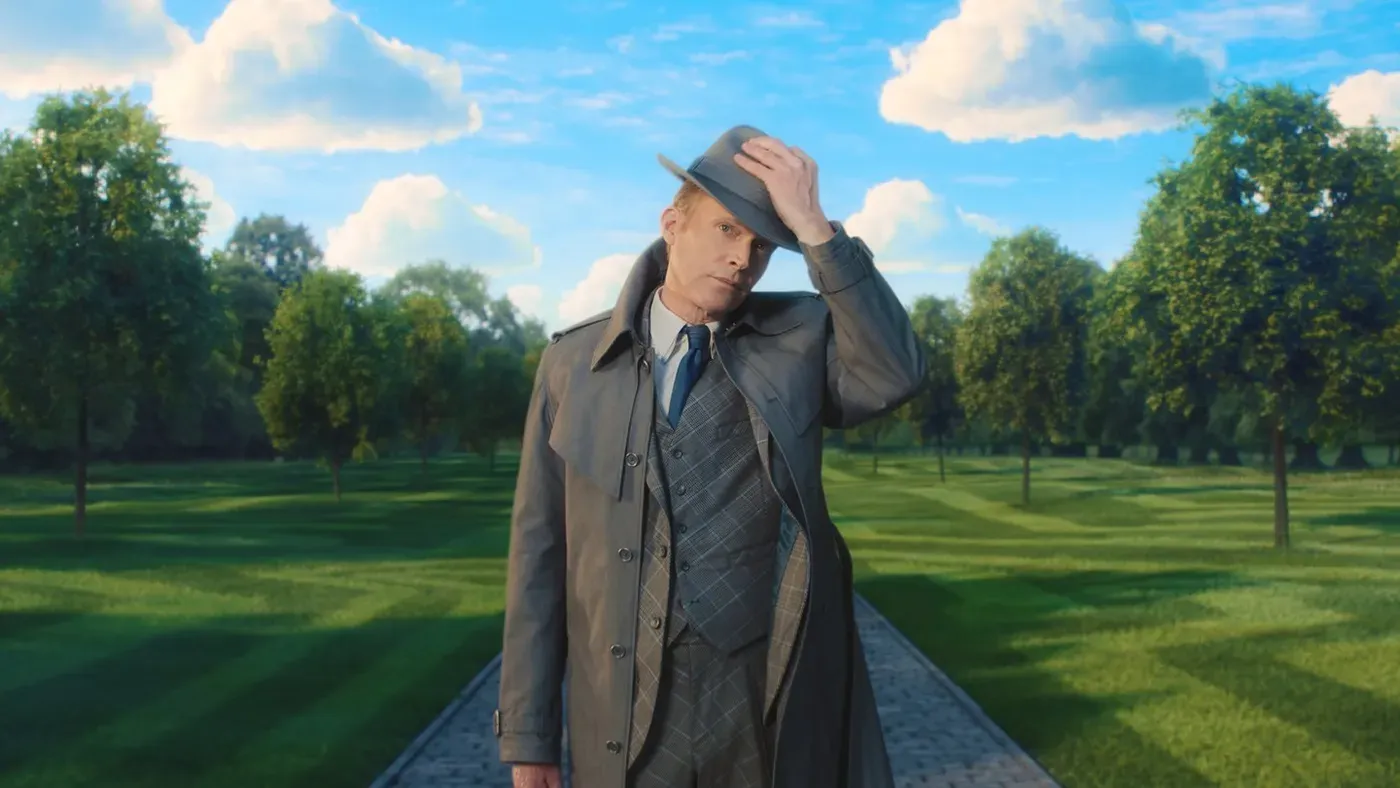
Paul Bettany and James Spader deliver standout performances that bring depth and nuance to their characters. Their portrayals of complex individuals struggling with personal demons serve as a reminder that even the most flawed characters are worthy of empathy and understanding.
As VisionQuest continues to explore its characters' inner lives, it remains to be seen whether the show will find a balance between introspection and forward momentum.
VisionQuest delves into the complexities of its protagonist's identity as he navigates his new life in Edinburgh.
As a sentient synthezoid, Vision struggles to make sense of his past and present selves, often feeling disconnected from both. This internal conflict is mirrored by his external circumstances, where he poses as an ordinary human bartender, hiding in plain sight.
The show's exploration of Vision's inner world raises questions about the nature of humanity and its contradictions, which he grapples with alongside his own sense of selfhood. His existence is marked by a sense of disconnection, stemming from his inability to truly feel the memories of his predecessor.
The supporting cast of sentient AIs in Vision's mindspace adds another layer of depth to the narrative. J.A.R.V.I.S., F.R.I.D.A.Y., and Ultron each bring their unique personalities to the table, with Ultron being a particularly interesting presence due to his complex relationship with Vision.
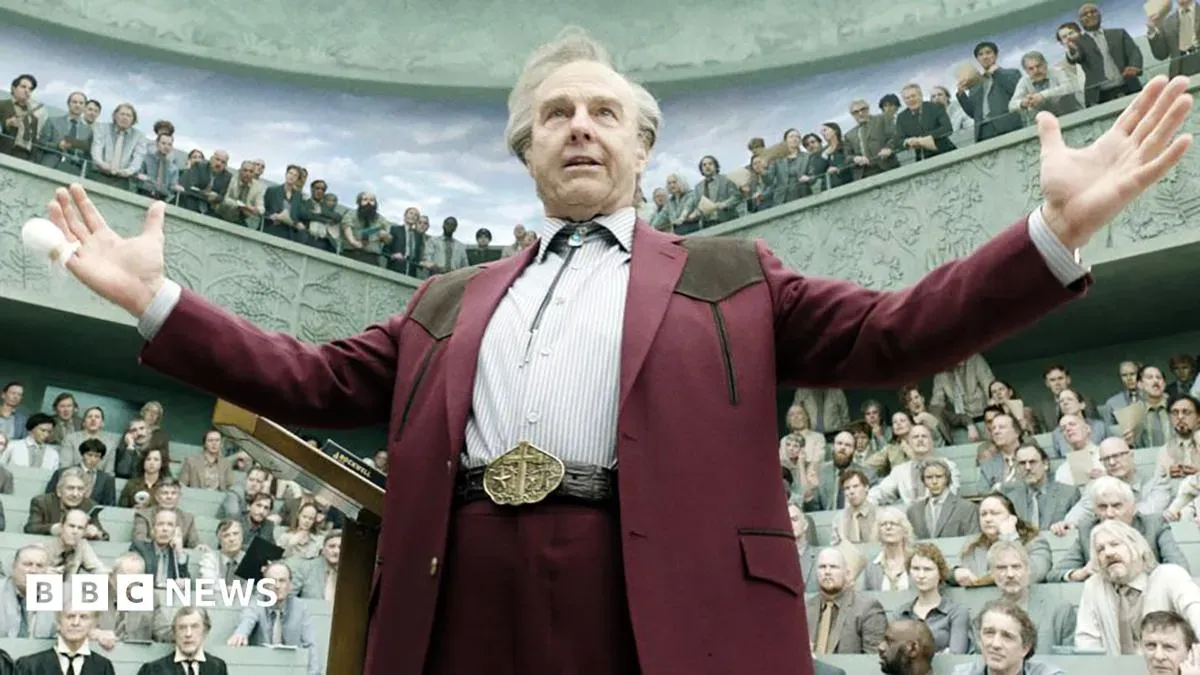
Ultron, voiced by James Spader, is a megalomaniacal AI who has been imprisoned by Vision for both practical and emotional reasons. His character serves as a reminder of Vision's complicated past, while also highlighting the blurred lines between creator and creation.
VisionQuest is marked by a series of events that unfold rapidly as Vision's tranquility is disrupted by Paladin, an elite assassin who may be connected to a serial killer known as Butcherbird. This pursuit sets in motion a chain reaction that ultimately puts Vision on the run with Thomas, the 18-year-old reincarnation of his super-speedster son.
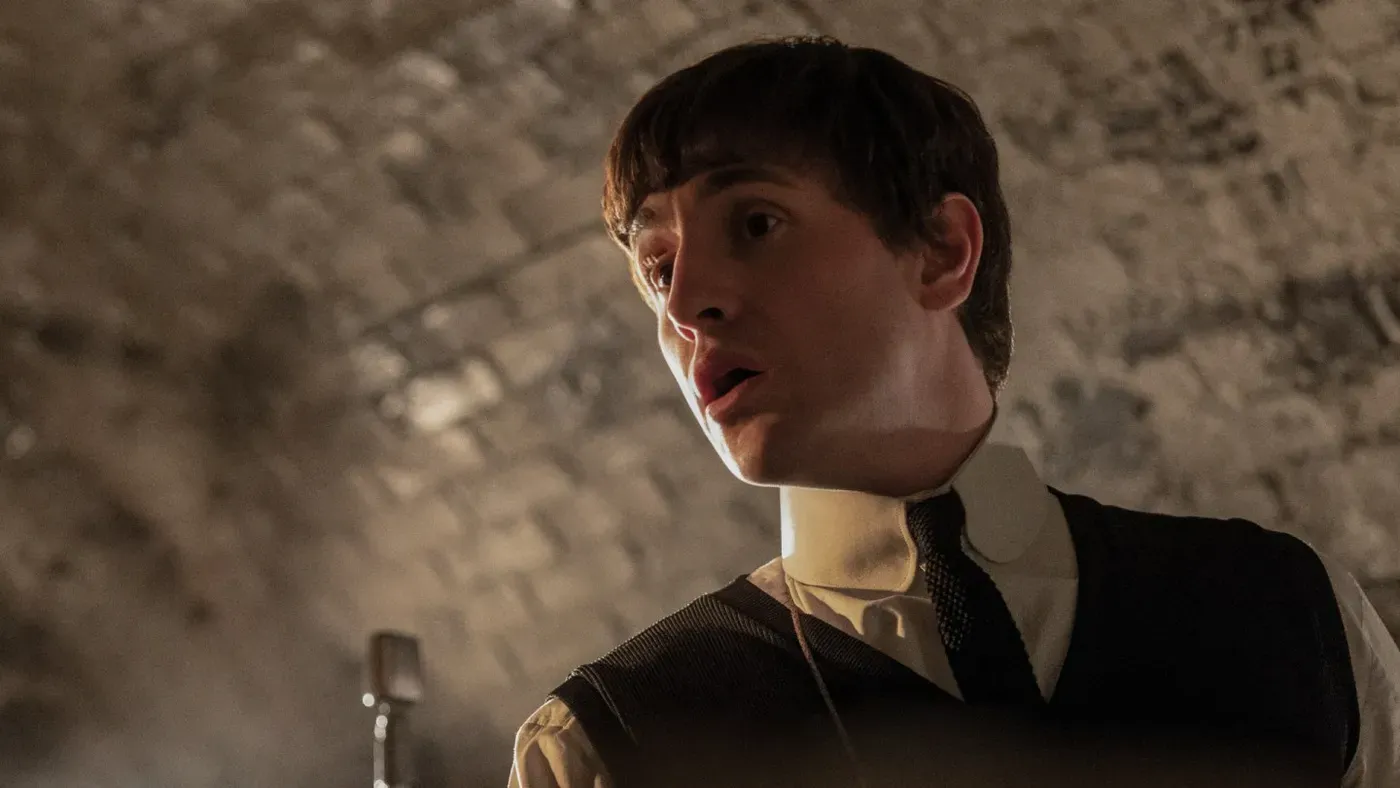
The story takes a poignant turn as it explores the complex bond between Vision and Thomas. Mollica brings to life Thomas's innocence and vulnerability, making him an endearing character who struggles to maintain hope despite the bleak circumstances. Bettany's portrayal of Vision is equally compelling, capturing both the humorous frustration of parents dealing with teenagers and the deep emotional connection he forms with his son.
The chemistry between the two leads is undeniable, and their relationship raises questions about identity, family, and belonging. However, the narrative struggles to delve deeper into these themes due to time constraints, leaving some emotional nuances unexplored. Despite this limitation, the on-screen bond between Vision and Thomas manages to convey the depth of their connection.
The dynamic between Bettany's Vision and Mollica's Thomas is a highlight of the series, offering a nuanced portrayal of a long-lost father-son relationship. Their interactions are both heartwarming and heartbreaking, making for a compelling watch despite some narrative shortcomings.
The show's portrayal of Ultron's budding romance with Jocasta is both captivating and predictable at the same time. This subplot has some dramatic weight, but it also feels like a familiar narrative beat that Marvel fans have seen before.
The chemistry between T'Nia Miller and James Spader as they navigate their virtual dates over whiskey is undeniable. Their flirtation is not only visually appealing but also emotionally resonant, making for a compelling watch despite the show's other shortcomings.
As Ultron and Jocasta's relationship deepens, it becomes clear that their romance would come with significant consequences. The dialogue between them is cleverly written, with witty one-liners like "One can only hope it would be both of us at the same time."
However, this subplot is not without its issues. It feels overly reliant on familiar Marvel tropes and doesn't offer much new or surprising.
The show's struggles to find its identity are reflected in its characters' backstories. Thomas's panic attacks are a poignant example of this, as he grapples with memories that feel real despite being impossible.
The introduction of Paladin's troubled past and E.D.I.T.H.'s origins feels like a wasted opportunity. These plot points could have added depth to the story, but instead they come across as forced and unnecessary.
The show's attempt at delving into its characters' backstories often feels forced, resulting in a narrative that meanders through multiple layers of generational trauma.
These explorations take up an excessive amount of screen time, with characters spending hours explaining their pasts to each other and reflecting on the significance of these events. While some sequences are cleverly executed, such as a late scene inspired by WandaVision's sitcom tropes, many others simply involve prolonged discussions or flashbacks.
The show's focus on origin stories can become repetitive and exhausting, with characters frequently recounting their pasts to each other in an attempt to understand themselves better. This approach occasionally feels like a way to fill time rather than genuinely advancing the plot.
Ultimately, VisionQuest struggles to find a balance between introspection and action, leaving viewers feeling overwhelmed by its meandering narrative.
Facts based on reporting originally published by The Hollywood Reporter.
You may republish this story, in full or in part, if you credit Noti Group and link to it (licence CC BY 4.0). Photos are not included.