







Sumo Wrestlers Share Lives in New Documentary
A new documentary is giving viewers an intimate look into the often private world of sumo wrestling, one of Japan's most ancient and revered sports. Sumo: Spirit Weighs Nothing, directed by...
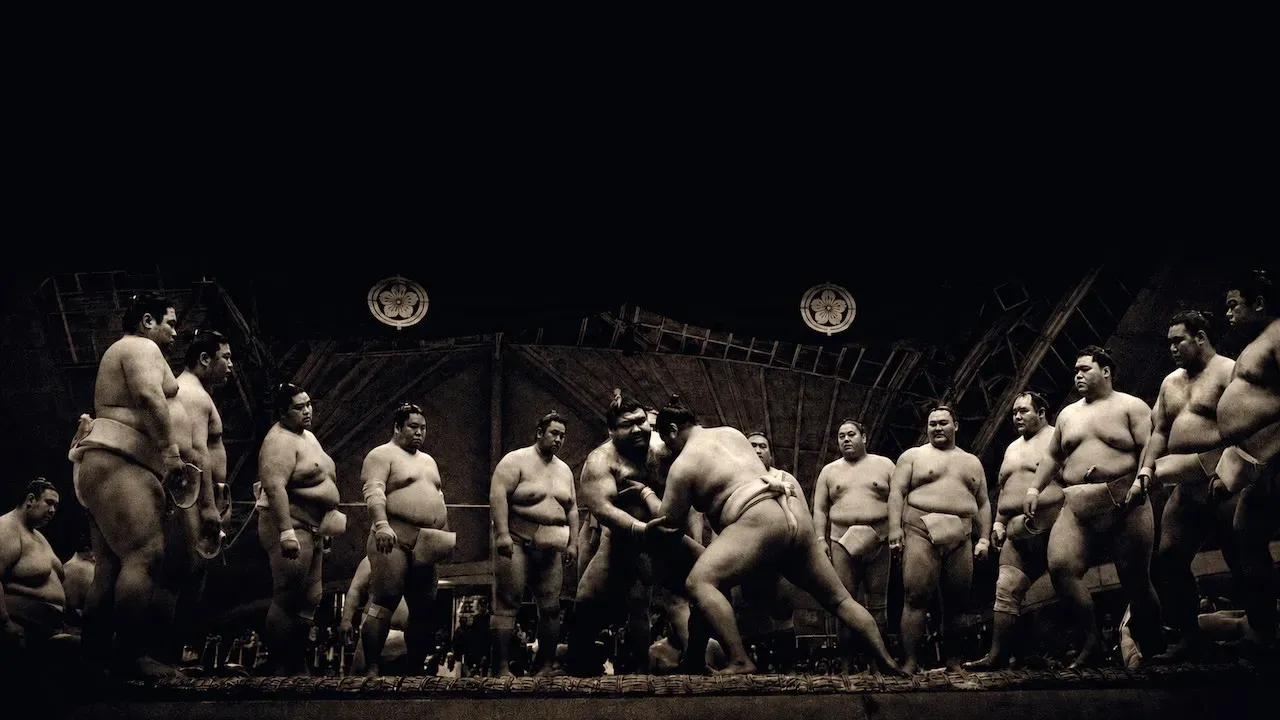
A new documentary is giving viewers an intimate look into the often private world of sumo wrestling, one of Japan's most ancient and revered sports. Sumo: Spirit Weighs Nothing, directed by Erik Shirai, premiered at the Venice Film Festival and will screen at the BFI London Film Festival starting October 13.
The film takes audiences on a journey inside the lives of several sumo wrestlers, including Terunofuji Haruo, Hiradoumi Yuki, Yonezawaryu Daiki, and Kosei Motomura, over the course of a year. These athletes are at different stages of their careers, from emerging talent to seasoned champions.
A key aspect of the documentary is its focus on the importance of fighting spirit in sumo wrestling. The film's synopsis highlights this idea, stating that "true strength is measured not in flesh, but in the refining of the spirit." This concept is central to the sport and is a major part of what makes it so unique.
The cinematography in Sumo: Spirit Weighs Nothing was handled by Shirai and Hiroshi Harahandled, with Frederick Shanahan serving as editor. The documentary combines intimate vérité footage with poetic observation to create a nuanced and immersive portrait of sumo wrestling.
Shirai's experience making documentaries about Japanese culture is evident in his latest film. He previously directed The Birth of Sake, which explored the origins of Japan's national drink. His passion for capturing the essence of Japanese institutions is clear in Sumo: Spirit Weighs Nothing.
As the documentary prepares to debut at the BFI London Film Festival, Shirai spoke with a publication about his motivations for making the film and what audiences can expect from the documentary.
The documentary Sumo: Spirit Weighs Nothing offers an intimate look at the lives of sumo wrestlers, highlighting the sacrifices they make to pursue their passion.
A key aspect of this dedication is the impact on their life expectancy, with some yokozuna revealing that their decision to focus on sumo wrestling reduces their lifespan. This bold choice is driven by a desire to live life to the fullest, despite the risks involved.
The film's director, Shirai, has a personal connection to sumo that predates his professional interest in it. Growing up, he would often catch glimpses of sumo matches on TV while waiting for dinner, but it wasn't until adulthood that he became truly fascinated by the sport and its rich tradition.
Shirai's curiosity was sparked by the distinctive appearance of sumo wrestlers, particularly their top knots, which initially seemed like a wig to him. As he delved deeper into the world of sumo, he began to appreciate the intricacies of Japanese culture that often go misunderstood in the West.
One of the primary reasons Shirai chose to explore sumo was his own experience growing up as a Japanese American. He noticed that Western audiences often held misconceptions about Japan and its traditions, which motivated him to create a film that would set the record straight.
Shirai's own understanding of strength was also challenged through his research. In contrast to the typical Western notion of strength as loud boasts and aggressive posturing, sumo emphasizes humility and restraint. This subtle yet powerful approach to physicality is a key aspect of Japanese culture that Shirai aimed to capture in his film.
The more Shirai learned about sumo, the more he realized how often it is misunderstood or misrepresented. He saw an opportunity to correct these misconceptions and provide a nuanced understanding of this ancient sport and its unique culture.
The process of gaining access to sumo stables, wrestlers, and their traditions proved to be a significant challenge for Shirai.
It took several years of persistent effort to secure permission from the Sumo Association to document the sport and its culture.
The association's reputation for secrecy and past experiences had made them wary of outsiders, making it difficult for Shirai to gain their trust.
To build relationships with the wrestlers, Shirai's team adopted a patient approach, often visiting the stables without cameras to simply observe and engage in conversation.
This involved immersing themselves in the daily routines and traditions of the sumo community, including watching training sessions and sharing meals together.
One notable instance of building trust was when Shirai's team agreed to take an entire stable out for yakiniku, a popular Japanese dish consisting of grilled meat.
The gesture of generosity and camaraderie paid off as it allowed the filmmakers to establish a strong connection with the sumo wrestlers.
The filmmakers' approach to capturing the essence of sumo wrestling is deliberate and aimed at humanizing the sport for a broader audience.
To achieve this goal, they had to strip away preconceived notions about what sumo is all about. By doing so, viewers can gain a deeper understanding of the dedication and sacrifices required to be a professional sumo wrestler.
One aspect of the film that sets it apart from other documentaries is its portrayal of the wrestlers' personal lives outside of their sport. The filmmakers sought to show that these individuals are not just larger-than-life figures but ordinary people with families, health concerns, and vulnerabilities.
This approach is particularly noteworthy in the case of a yokozuna, who shares his experiences with diabetes and other health challenges. This candid discussion may surprise some viewers, as it humanizes the wrestler beyond his athletic prowess.
The filmmakers' decision to highlight the wrestlers' personal struggles is also reflective of their own cultural values. In Western culture, there is often a reluctance to discuss vulnerabilities or weaknesses openly.
However, in sumo wrestling, individual sacrifices are made for the greater good, to preserve tradition and culture. This collective mindset is what drives the wrestlers to push themselves beyond their physical limits, despite the personal costs they may incur.
By shedding light on these aspects of sumo, the filmmakers aim to change how audiences perceive this ancient sport.
The documentary's director, Shirai, wants viewers to form their own opinions about what they take away from Sumo: Spirit Weighs Nothing. He hopes that audiences will gain a deeper understanding of Japanese culture and tradition through this film.
Shirai believes that sumo is more than just an individual sport; it's about the pride of the Japanese people and preserving a 1,500-year-old tradition in modern times. The director notes that sumo's primitive nature, with its manual and analog methods, makes it feel somewhat outdated compared to other sports.
The documentary aims to show the beauty and significance of this ancient sport, which is often overlooked in today's fast-paced world. Shirai wants viewers to appreciate the sacrifices made by sumo wrestlers and the importance of preserving their tradition.
Shirai's next project, How to Feed A Hungry Ghost, may seem like a departure from his previous work on sumo wrestling. However, it shares some similarities with his earlier films in its exploration of themes related to food and culture.
The director is eager to switch gears and explore a new subject matter for his next film. He describes the story as one about a Vietnamese chef who returns to her homeland after 10 years abroad and must confront her past.
Shirai's decision to focus on a female protagonist in How to Feed A Hungry Ghost marks a significant departure from his previous films, which were dominated by male characters and energies. The director is excited to explore this new perspective and share the story with audiences.
With his next film already underway, Shirai has expressed pride in taking on this new challenge and exploring themes that are deeply personal to him.
Facts based on reporting originally published by The Hollywood Reporter.
You may republish this story, in full or in part, if you credit Noti Group and link to it (licence CC BY 4.0). Photos are not included.