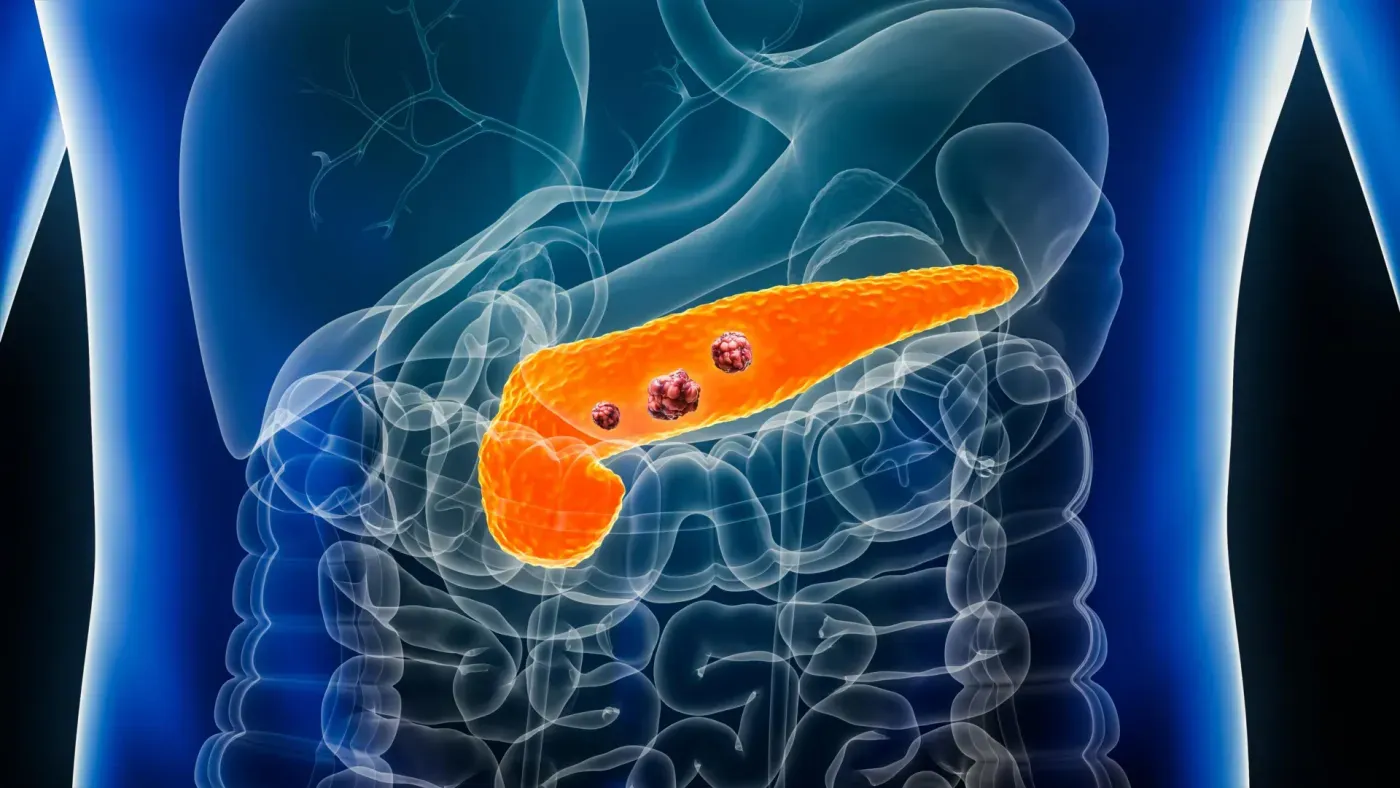







Low Testosterone Linked to Liver Damage from Sugar Consumption
A new study has shed light on the potential consequences of low testosterone levels on liver health, particularly in relation to sugar consumption.
A new study has shed light on the potential consequences of low testosterone levels on liver health, particularly in relation to sugar consumption. According to experts, an unhealthy diet may exacerbate existing health problems linked to low testosterone.
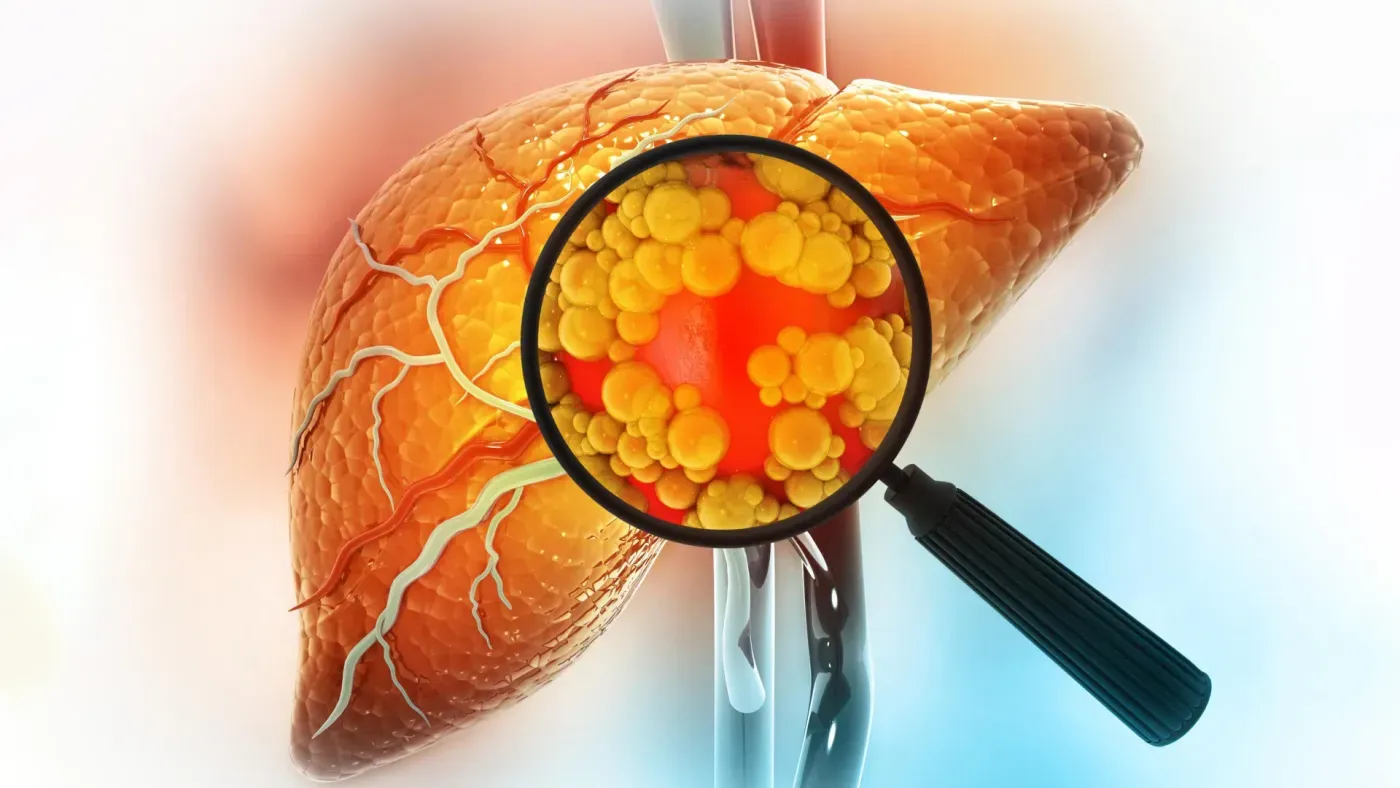
Metabolic dysfunction-associated steatotic liver disease (MASLD) is a growing concern worldwide, affecting approximately 40% of adult men globally. The condition arises from excess fat accumulation in the liver and has become a significant global health issue.
Fatty liver, the earliest stage of MASLD, occurs when excess fat builds up in the liver due to various factors such as obesity, type 2 diabetes, low testosterone levels, and excessive fructose consumption from sugary drinks and processed foods. These contributing factors are intricately linked but their combined effects on liver health remain unclear.
To investigate this connection, researchers conducted an experiment using male mice divided into six groups. The groups included animals that underwent castration to lower testosterone levels and those that received a sham operation, with some receiving high fructose intake and others antibiotics to alter gut bacteria composition.
The study's findings will be crucial in understanding how low testosterone and excessive sugar consumption interact to impact liver health, providing valuable insights for the development of targeted interventions. Further analysis is required to determine the full extent of these effects on human populations.
Mice fed fructose and lacking testosterone developed significantly heavier livers than their counterparts on a regular diet.
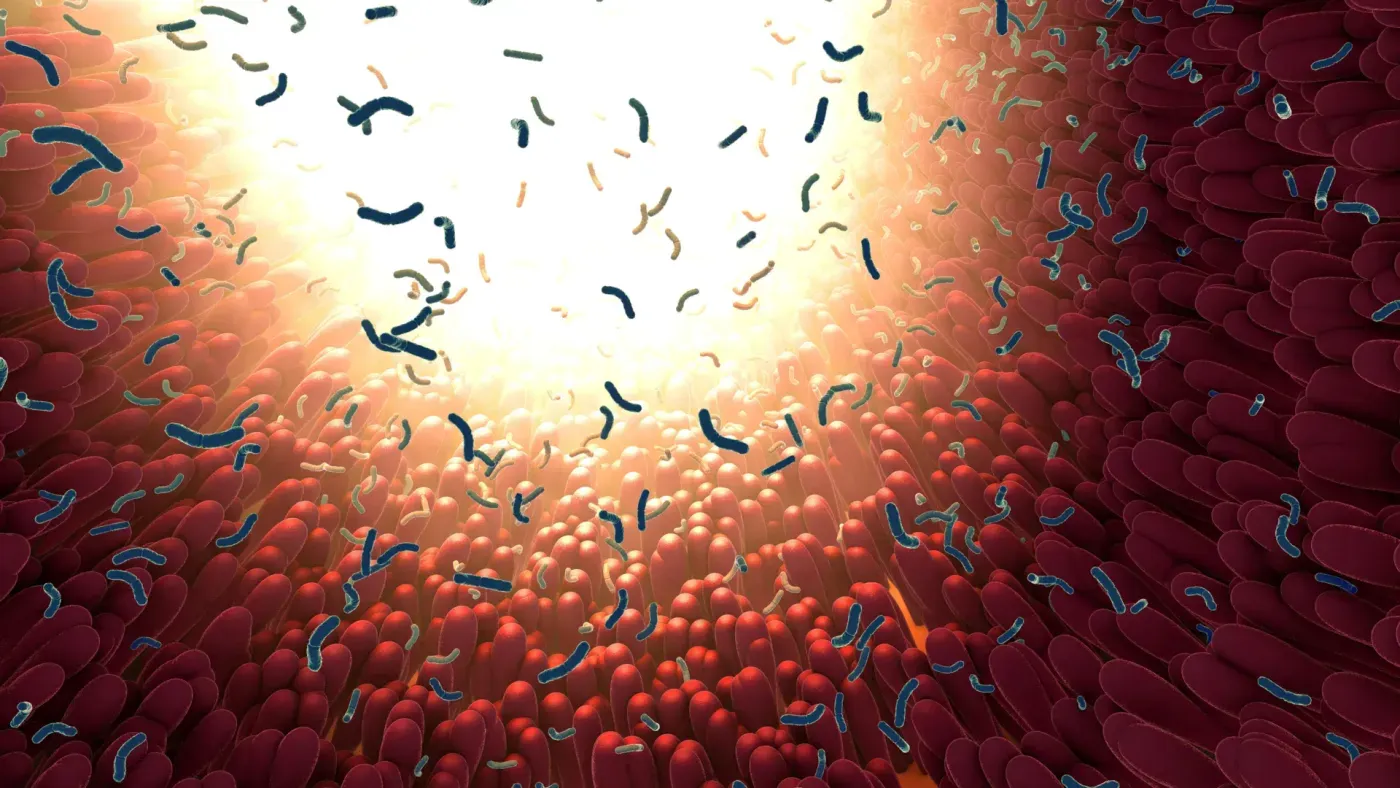
However, when these mice were also given antibiotics, which altered their gut bacteria, the increase in liver weight was reduced, suggesting that changes in the microbiome contributed to the problem.
Researchers analyzed the effects of low testosterone and fructose consumption separately and found that they caused modest increases in liver triglyceride levels.
But when combined, the two factors had a much stronger impact, leading to significant fat accumulation and worsening fatty liver disease.
The complex interplay between testosterone levels, dietary fructose, and gut bacteria may hold the key to understanding how fatty liver disease develops and worsens.
Researchers are now exploring potential new ways to prevent this condition by targeting specific processes that contribute to fat accumulation in the liver. One promising area of investigation involves the role of pyruvate, a compound that plays a crucial part in energy production within cells.
Studies have shown that when testosterone levels are low, dietary fructose has a much more significant impact on the liver, leading to increased triglyceride accumulation and worsening fatty liver disease. By understanding this relationship, scientists hope to identify new therapeutic approaches and preventive methods for treating the condition.
The findings of these studies could eventually lead to the development of innovative treatments or dietary interventions aimed at mitigating the effects of low testosterone on liver health.
Facts based on reporting originally published by ScienceDaily Health.
You may republish this story, in full or in part, if you credit Noti Group and link to it (licence CC BY 4.0). Photos are not included.